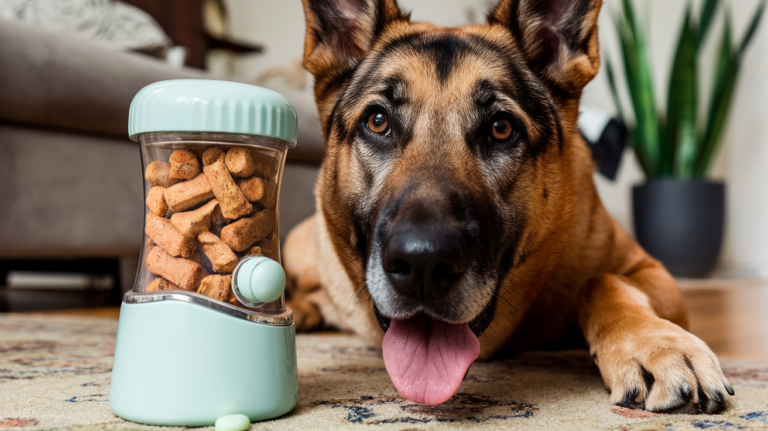
Your German Shepherd avoiding their bed isn’t stubbornness. Discover the surprising reasons they dislike it and how to fix the problem easily.
You spent good money on that plush orthopedic dog bed. You researched reviews, picked the perfect color, and placed it in the ideal spot. Yet there’s your German Shepherd, sprawled on the cold hardwood floor like it’s the most comfortable surface on Earth. What gives?
Here’s the thing: your GSD isn’t being stubborn or ungrateful. They’re actually trying to tell you something important about their comfort, safety, and instincts. Let’s dig into the surprising reasons why that expensive bed might be their least favorite spot in the house.
The Temperature Regulation Dilemma
German Shepherds have a double coat that’s designed for extreme weather adaptability. This means they’re basically wearing a built-in thermal system year-round. That cozy, cushioned bed you bought? It might be a heat trap.
They’re Literally Too Hot
Most dog beds are designed with warmth in mind, featuring thick padding, fleece covers, and bolstered edges. For a breed that originates from cooler climates, this is like trying to sleep wrapped in a down comforter during summer. Your GSD seeks out cool surfaces like tile, hardwood, or even concrete because they need to dump heat, not retain it.
During warmer months especially, you might notice your German Shepherd gravitating toward the coolest spots in your home. They’re not being weird; they’re being smart. Their bodies run hotter than many other breeds, and that plush bed is working against their natural cooling system.
The Winter Exception
Interestingly, the same dog who shuns their bed in July might suddenly claim it in December. German Shepherds are adaptable creatures, and their bed preferences often shift with the seasons. If your dog only uses their bed during colder months, temperature regulation is likely your answer.
Your German Shepherd isn’t rejecting comfort—they’re rejecting overheating. What feels cozy to you might feel suffocating to a dog wearing a permanent fur coat.
Size and Space Issues
Here’s where many dog owners go wrong: they buy beds based on their dog’s lying down measurements rather than their sprawling out measurements. Big difference.
German Shepherds Are Space Hogs
These dogs don’t curl up in tiny balls like some breeds. They stretch out. They splay their legs. They do that adorable “frog leg” thing where their back legs extend straight behind them. A bed that accommodates them while they’re curled up becomes a cramped nightmare when they want to fully relax.
| Dog Position | Space Needed | Most Bed Sizes |
|---|---|---|
| Curled up | 24-30 inches | 35-40 inches |
| Normal lying | 36-44 inches | 35-40 inches |
| Full sprawl | 48-60 inches | 35-40 inches |
The numbers don’t lie. Most “large” dog beds are actually sized for dogs in their curled-up position, not their fully relaxed state. Your GSD knows that bed won’t accommodate their preferred sleeping style, so they skip it entirely in favor of unlimited floor space.
The Edge Problem
Many German Shepherds also dislike bolstered edges. While some dogs enjoy the security of raised sides, GSDs often find them restrictive. These are working dogs who need to feel like they can jump up and respond to stimuli at a moment’s notice. A bed with high sides can make them feel trapped rather than secure.
Instinct and Security Concerns
Never forget: your German Shepherd is a guardian breed with deeply ingrained protective instincts. Where they choose to sleep is about much more than physical comfort.
The Vantage Point Factor
German Shepherds are natural guardians, and that means they need to monitor their territory even while resting. A bed positioned in a corner or against a wall might seem cozy to you, but to your GSD, it’s a tactical nightmare. They can’t see the entrances. They can’t monitor the household. They can’t do their job.
This is why you might find your dog sleeping in doorways, hallways, or other high-traffic areas. They’re not trying to trip you; they’re positioning themselves where they can keep watch over the family and respond quickly if needed.
Vulnerability While Resting
Some German Shepherds reject beds because getting in and out makes them feel vulnerable. If the bed is too soft, they sink into it, which can make them feel trapped. If it takes them an extra second or two to get up and out of the bed, that’s an extra second they can’t respond to potential threats (even if those “threats” are just the mailman).
A German Shepherd’s bed choice isn’t about luxury—it’s about maintaining their ability to protect and serve, even while they rest.
The Cleanliness and Smell Factor
German Shepherds have an incredibly powerful sense of smell, and that new bed you bought comes with a whole lot of chemical odors.
Off-Gassing and Chemical Smells
That “new” smell on beds often comes from manufacturing chemicals, flame retardants, and synthetic materials. What barely registers to your human nose might be overwhelming to your dog’s sensitive schnoz. Some GSDs will refuse to use a bed until it’s been aired out for days or even weeks.
Memory foam in particular can have a strong off-gassing period. While these fumes aren’t typically harmful, they’re unpleasant for a dog with a sense of smell that’s 10,000 to 100,000 times more acute than yours.
They Want Their Smell, Not Factory Smell
Dogs feel most comfortable in spaces that smell like them and their family. A brand new bed is a blank slate that doesn’t carry any of the familiar scent markers that make your GSD feel at home. This is why some dogs will finally accept a bed after it’s been in the house for a while, collecting family scents and losing that factory smell.
Try placing an unwashed t-shirt you’ve worn on the bed, or rubbing the bed with a towel that’s been around your dog. Sometimes all it takes is making the bed smell like “home” rather than “store.”
Wrong Material and Texture
Not all bed materials are created equal, and German Shepherds have strong opinions about what they’ll tolerate touching their skin.
The Fleece Debate
Many dog beds come with fleece or plush covers because they seem luxurious. But fleece can be problematic for German Shepherds. It retains heat, builds up static electricity in their coat, and can feel uncomfortably clingy against their fur. Some GSDs simply hate the sensation of fleece and will avoid it entirely.
Firmness Matters
While orthopedic beds are often marketed as the ultimate in dog comfort, some German Shepherds actually prefer firmer surfaces. Too much cushioning can make them feel unstable, especially for older dogs or those with hip dysplasia who need to feel solidly supported when they stand up.
Younger, active German Shepherds might reject soft beds because they don’t provide enough resistance. These dogs are athletes who spend their days running, jumping, and working. A bed that’s too soft might actually make their muscles and joints feel less supported, not more.
Health and Pain Considerations
Sometimes a rejected bed is actually a cry for help about an underlying health issue.
Hip Dysplasia and Arthritis
German Shepherds are unfortunately prone to hip dysplasia. A dog dealing with joint pain might reject a bed because:
- Getting in and out causes discomfort
- The bed doesn’t provide adequate support
- They’ve associated that bed with pain
- They need a firmer or softer surface than what’s provided
If your previously bed-loving GSD suddenly starts avoiding their favorite spot, it’s worth a vet visit to rule out pain-related issues.
Digestive Discomfort
Dogs experiencing digestive issues, bloat risk, or general stomach discomfort often prefer to lie on cool, hard surfaces. If your German Shepherd consistently chooses the floor over their bed, especially after meals, it might be worth examining their diet and digestive health.
What Actually Works for German Shepherds
Now that we know why your GSD might hate their bed, what can you do about it?
Elevated Cots
Many German Shepherds love elevated cot-style beds. These provide several advantages:
- Air circulation underneath keeps them cool
- Firm, supportive surface
- Easy to get on and off
- No trapped feeling from bolstered edges
- Excellent for both indoor and outdoor use
Cooling Gel Options
For heat-sensitive GSDs, cooling gel mats or beds with gel inserts can be game changers. These don’t rely on thick padding for comfort but instead provide a temperature-regulated surface that actually helps with heat dissipation.
Multiple Stations
Consider that your German Shepherd might need different beds for different purposes and seasons. A cooling mat for summer, a padded bed for winter, and an elevated cot for year-round use gives them options based on their current needs.
Location, Location, Location
Finally, remember that where you put the bed matters as much as the bed itself. Place it somewhere your GSD can:
- See main entrances and exits
- Monitor family activities
- Access quickly without obstacles
- Feel the room temperature without being in a draft
Your German Shepherd’s bed rejection isn’t about being difficult or spoiled. It’s about their unique needs as a working breed with specific temperature regulation requirements, strong protective instincts, and sensitivity to their environment. Understanding these factors means you can finally find a sleeping solution that works for both of you… even if that solution looks nothing like the Pinterest-perfect dog bed you originally imagined.