Those ears, tails, and stares say everything. This guide helps you understand what your German Shepherd is really communicating daily.
Your German Shepherd is talking to you right now. Seriously. While you’re reading this, they’re probably communicating something through the position of their ears, the curve of their tail, or the tension in their body. But unless you speak fluent canine, you’re missing out on an entire conversation.
German Shepherds are particularly chatty when it comes to body language. These intelligent, expressive dogs have evolved alongside humans for over a century, perfecting their ability to communicate. The question isn’t whether your dog is trying to tell you something; it’s whether you’re actually listening with your eyes.
Understanding the Basics of Canine Communication
Before we dive into the specific quirks of German Shepherds, let’s get something straight: dogs don’t communicate the way humans do. They’re not going to sit you down for a heart to heart conversation (though wouldn’t that be amazing?). Instead, they rely on a sophisticated system of visual signals, vocalizations, and scent cues that work together to create a complete message.
German Shepherds, in particular, are masters of this multi-layered communication style. Bred originally as herding dogs, they needed to convey complex information to both their handlers and the livestock they managed. This heritage means your modern GSD comes equipped with an incredibly expressive toolkit. Every part of their body, from the tip of their nose to the end of their tail, plays a role in broadcasting their inner state.
The key to becoming fluent in German Shepherd body language is learning to read the whole picture. One signal alone rarely tells the complete story. A wagging tail paired with tense muscles means something entirely different than a wagging tail with a relaxed, wiggly body. Context matters enormously.
The Tail Tells Tales (But Not Always What You Think)
Let’s bust a myth right now: a wagging tail does NOT always mean a happy dog. Shocked? You should be, because this misconception leads to more misread situations than almost anything else.
The tail is actually one of your German Shepherd’s most versatile communication tools. A high, stiff tail held upright signals confidence, alertness, or potential dominance. Your dog is basically saying, “I’m in charge here, and I’m paying attention.” This isn’t necessarily aggressive, but it’s definitely assertive.
Conversely, a tail tucked between the legs screams fear, anxiety, or submission. Your GSD is trying to make themselves smaller and less threatening. If you see this, something in the environment is making them uncomfortable, and they need reassurance or removal from the situation.
The speed and pattern of wagging matters tremendously. A loose, wide wag that involves the whole back end? That’s genuine happiness and friendliness. A rapid, small wag held high? That’s arousal and could go either friendly or aggressive depending on other signals. A slow, deliberate wag? Your dog is being cautious and assessing the situation.
| Tail Position | Speed | Likely Meaning |
|---|---|---|
| High and stiff | Any speed | Alert, confident, potentially challenging |
| Neutral (level with spine) | Loose, wide wag | Relaxed, friendly, content |
| Tucked under | Still or slight movement | Fearful, anxious, submissive |
| Neutral | Slow, deliberate wag | Cautious, assessing, uncertain |
Ear Positions: The Emotional Antenna
German Shepherds have those gorgeous, expressive ears that stand at attention like little satellite dishes. And guess what? They’re constantly rotating and adjusting to broadcast your dog’s emotional state.
Forward facing ears indicate interest and alertness. Your GSD is focused on something and gathering information. This is their default “working mode” and usually nothing to worry about. They’re just being their naturally attentive selves.
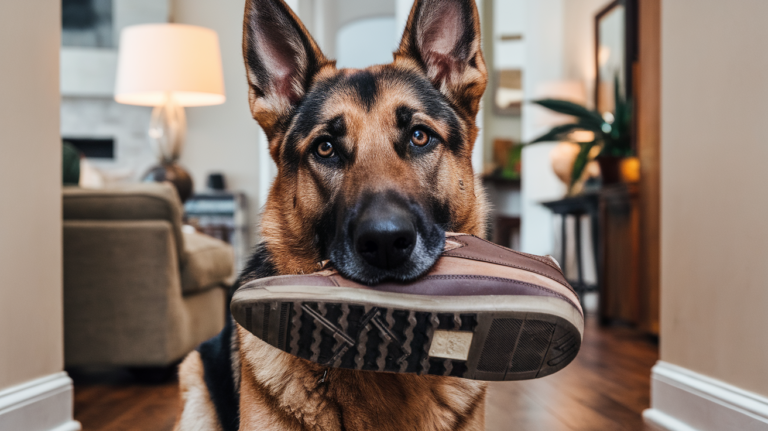
Ears pulled back and flattened against the head tell a different story. This is your dog saying, “I’m uncomfortable, scared, or trying to appease you.” Sometimes you’ll see this when your GSD knows they’ve done something wrong and they’re giving you those puppy dog eyes. Other times, it signals genuine fear or anxiety about a situation.
One ear forward and one back? Your dog is literally torn between two things that have their attention. It’s actually pretty adorable and shows they’re processing multiple inputs simultaneously. Very German Shepherd of them, honestly.
Eye Contact: The Window to Your GSD’s Soul
Eyes are powerful in dog communication, and German Shepherds use them expertly. Direct, hard eye contact between dogs is considered a challenge or threat. It’s why staring contests with your pup can sometimes make them uncomfortable.
When your German Shepherd looks away or offers a soft, indirect gaze, they’re showing respect and deference. This is particularly common in dogs who understand pack hierarchy and are comfortable with their place in the family structure.
The “whale eye” deserves special mention. This is when you can see the whites of your dog’s eyes because they’re looking at something without turning their head. It typically indicates stress, discomfort, or anxiety. If your GSD is showing whale eye during a vet visit or when a stranger approaches, they’re telling you they’re not comfortable with the situation.
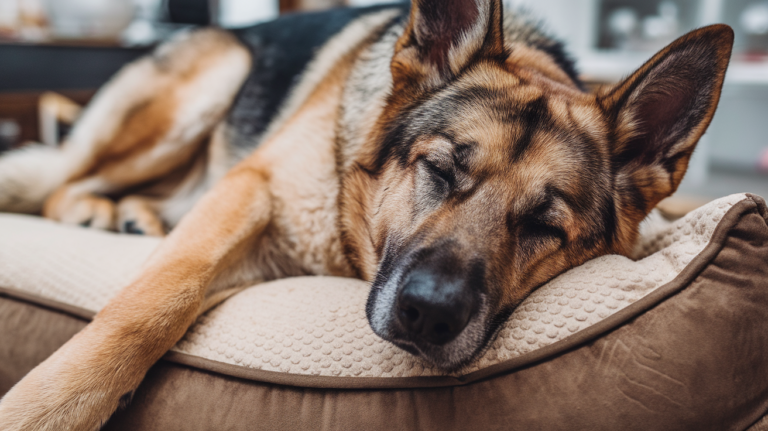
Soft, squinty eyes or slow blinks? That’s your German Shepherd giving you the ultimate compliment. In dog language, this is a sign of affection and trust. When they do this, feel free to slow blink back. It’s like saying “I love you” in canine.
Mouth and Facial Expressions
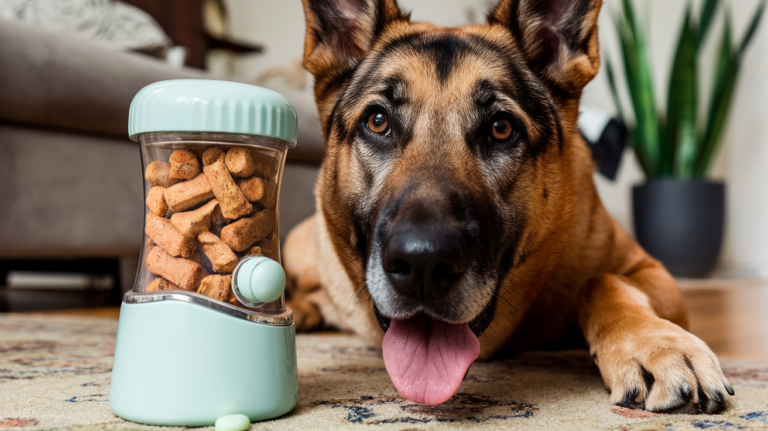
The German Shepherd mouth is incredibly expressive, but it requires careful interpretation. A relaxed, slightly open mouth with the tongue lolling out is the picture of a content, happy dog. This is what you want to see during play sessions and calm moments.
Lips pulled back to show teeth can mean several different things. The famous “submissive grin” is actually a thing in German Shepherds. Some GSDs will pull their lips back in what looks like a snarl but is actually a submissive, appeasing gesture. The key difference? The rest of the body will be loose and relaxed, often accompanied by a lowered head and wagging tail.
A true aggressive display involving teeth looks completely different. The entire face tenses, the muzzle wrinkles, and you’ll often see a hard stare accompanying the display. The body will be stiff and forward leaning.
Yawning can indicate stress or anxiety in dogs, not just tiredness. If your German Shepherd yawns repeatedly in a situation (like at the vet or when meeting new people), they’re using this as a calming signal to self soothe.
Body Posture: The Big Picture
Your German Shepherd’s overall body posture provides crucial context for every other signal. A confident, dominant dog stands tall with weight forward, head high, and muscles tensed. They’re making themselves appear larger and more imposing.
A fearful or submissive GSD does the opposite. They lower their body, make themselves smaller, and might even roll onto their back to expose their belly. This is ultimate submission in dog language.
The play bow (front end down, rear end up with tail wagging) is universal dog language for “I want to play!” Even adult German Shepherds use this to initiate fun times with their humans or other dogs. It’s basically impossible to misinterpret.
The Hackles Situation
When the fur along your German Shepherd’s spine stands up (piloerection), it doesn’t automatically mean aggression. This is an involuntary response to arousal, excitement, or stimulation. Yes, it can occur during aggressive encounters, but it also happens during exciting play, when meeting new dogs, or in novel situations.
Think of it like goosebumps in humans. Sometimes you get them when you’re scared, sometimes when you’re excited, and sometimes when you hear a particularly moving piece of music. Context is everything.
Stress Signals You Might Be Missing
German Shepherds are stoic dogs who often hide discomfort until it becomes significant. Learning to spot subtle stress signals can prevent bigger problems down the road.
Lip licking when there’s no food around, excessive panting when it’s not hot, shaking off (like when they’re wet, but they’re dry), and turning away are all calming signals that indicate stress or discomfort. If you see multiple stress signals together, your dog is telling you they need help managing the situation.
Pacing, inability to settle, and repetitive behaviors also indicate anxiety. German Shepherds are working dogs who thrive on mental stimulation, so sometimes these behaviors indicate boredom rather than fear. Either way, your dog needs something to change.
Putting It All Together
Reading body language isn’t about memorizing a checklist; it’s about developing an intuitive understanding of your individual dog. Every German Shepherd has their own personality quirks and communication style. Some are more expressive, some more subtle.
Start paying attention during calm, everyday moments. Notice how your dog holds their body when relaxed versus alert. Watch their ears during different activities. The more you observe in low stress situations, the better you’ll recognize when something is off.
Practice makes perfect, and your German Shepherd will absolutely appreciate having an owner who finally understands what they’ve been saying all along. The bond you’ll develop through this deeper communication is absolutely worth the effort.
Trust your instincts, but verify them against what you’re seeing. If something feels off, it probably is. German Shepherds are terrible liars; their bodies always tell the truth.