Small health tweaks can deliver big payoffs. Focused habits support mobility, immunity, and overall vitality throughout your German Shepherd’s life.
Few breeds inspire the same devotion as the German Shepherd. Whether they’re working alongside police officers, competing in agility trials, or simply being the world’s best couch companion, these dogs give us everything they’ve got. Doesn’t it make sense to return the favor?
Here’s the thing: generic dog care advice won’t cut it for GSDs. Their deep chests, sensitive stomachs, and predisposition to certain conditions mean they need specialized attention. But don’t worry! Optimizing your German Shepherd’s health is totally achievable with the right approach.
1. Master the Art of Joint Health Protection
German Shepherds are practically synonymous with hip and elbow dysplasia. This isn’t meant to scare you, but ignoring joint health is like ignoring a check engine light. These large, active dogs put tremendous stress on their skeletal system, especially during their rapid growth phase.
Start early with joint supplements containing glucosamine and chondroitin. Many veterinarians recommend beginning supplementation as early as six months of age for large breed puppies. Additionally, maintaining an ideal body weight is absolutely crucial. Every extra pound multiplies the stress on those precious joints.
Consider incorporating omega-3 fatty acids into their diet, particularly from fish oil sources. These powerful anti-inflammatories can help cushion joints and reduce the progression of arthritis. Swimming is also a fantastic, low-impact exercise that builds muscle without punishing the joints.
Joint health isn’t just about old age; it’s a lifelong commitment that starts the day you bring your puppy home.
2. Navigate Nutrition Like a Pro
German Shepherds possess notoriously sensitive digestive systems. You’ve probably witnessed the unfortunate aftermath of a dietary indiscretion at least once! The key is finding a high-quality food formulated specifically for large breeds with active lifestyles.
Protein should be the star of the show, sourced from identifiable meat (chicken, beef, fish, or lamb). Aim for foods with protein content between 22-26% for adults. Equally important is the fat content; these energetic dogs need adequate healthy fats for coat health and energy, typically around 12-15%.
Many German Shepherd owners swear by feeding schedules that divide daily portions into two or three smaller meals rather than one large feeding. This practice can help prevent bloat (gastric dilatation volvulus), a life-threatening condition that large, deep-chested breeds are particularly prone to developing.
Here’s a nutritional comparison to guide your choices:
| Nutrient | Puppy Requirement | Adult Requirement | Senior Requirement |
|---|---|---|---|
| Protein | 22-28% | 18-25% | 18-22% |
| Fat | 12-18% | 10-15% | 8-12% |
| Calcium | 1.2-1.5% | 0.6-1.2% | 0.5-0.9% |
| Calories (per day) | 1,500-2,000 | 1,700-2,400 | 1,300-1,800 |
3. Exercise with Intelligence, Not Just Intensity
Yes, German Shepherds are athletic powerhouses, but more exercise isn’t always better. Puppies, in particular, can suffer permanent joint damage from over-exercising during their crucial growth periods. The general rule? Five minutes of exercise per month of age, twice daily, until they reach full maturity.
Adult GSDs thrive on structured activities that engage both body and mind. Simple jogging is fine, but these intelligent dogs crave purpose. Try agility training, tracking exercises, or advanced obedience work. These activities satisfy their working dog heritage while building a stronger bond with you.
Variety matters tremendously. Rotate between different types of exercise to work various muscle groups and prevent repetitive stress injuries. Monday might be a long hike, Wednesday could be swimming, and Friday might involve some fetch sessions combined with training exercises.
A tired German Shepherd is a happy German Shepherd, but an injured one definitely isn’t. Balance is everything.
4. Prioritize Preventive Veterinary Care
Skipping annual checkups to save money is a bit like canceling your car insurance right before a road trip. German Shepherds benefit enormously from consistent veterinary monitoring, particularly as they age. Many serious conditions are far more treatable when caught early.
Beyond the standard vaccinations and heartworm prevention, discuss breed-specific screening with your vet. Hip and elbow radiographs, typically performed around two years of age, can identify dysplasia before symptoms become severe. Cardiac screenings are also valuable, as GSDs can develop degenerative myelopathy and other heart conditions.
Blood work becomes increasingly important after age seven. These panels can detect kidney disease, liver issues, thyroid problems, and diabetes before your dog shows obvious symptoms. Think of it as preventive maintenance rather than just sick care.
Don’t forget dental health! Periodontal disease affects overall health, potentially causing heart and kidney problems. Regular brushing (yes, really) combined with annual professional cleanings keeps those powerful jaws healthy and functional.
5. Nurture Their Mental Health and Stability
A German Shepherd with nothing to do is a German Shepherd destined for trouble. These brilliant dogs can develop anxiety, destructive behaviors, and even aggression when their mental needs go unmet. Intelligence is wonderful, but it comes with responsibility for you as the owner.
Daily training sessions don’t need to be marathon events; even 10-15 minutes of focused work makes a huge difference. Teach new tricks, practice old commands, or work on impulse control exercises. The mental stimulation tires them out as effectively as physical exercise.
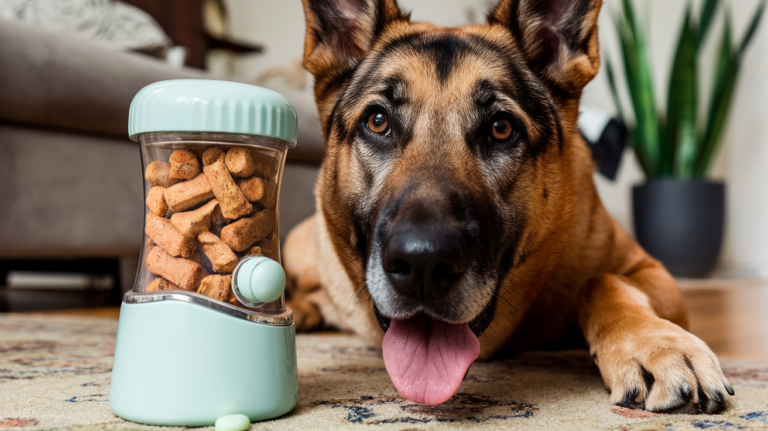
Puzzle toys, snuffle mats, and interactive feeders turn mealtime into brain games. Rotating toys weekly keeps things fresh and interesting. Many owners also find that giving their GSD a “job” (like carrying items, helping with chores, or learning service tasks) fulfills their need for purpose.
Socialization remains important throughout their entire life, not just during puppyhood. Regular exposure to new environments, people, and situations builds confidence and prevents fearfulness or reactivity from developing.
6. Groom Strategically for Health, Not Just Looks
That luxurious double coat isn’t just for show; it’s a sophisticated climate control system that requires proper maintenance. German Shepherds shed year-round, with two major “blow out” periods during spring and fall. Brushing several times weekly (daily during shedding season) isn’t optional if you want to maintain skin health.
Regular brushing distributes natural oils, prevents matting, and allows you to spot potential problems early. Check for lumps, bumps, cuts, or parasites during each session. Your hands-on attention can literally save your dog’s life by catching skin cancer or infections before they become serious.
Bathing should be done sparingly, perhaps every 6-8 weeks unless they’ve rolled in something questionable. Over-bathing strips essential oils from the skin, potentially causing dryness and irritation. When you do bathe them, use a high-quality, dog-specific shampoo formulated for sensitive skin.
Nail trimming every 3-4 weeks prevents painful overgrowth and maintains proper foot structure. Long nails can actually change how your dog walks, contributing to joint problems over time.
7. Create an Age-Appropriate Wellness Plan
The seven-year-old German Shepherd has vastly different needs than the seven-month-old puppy. Tailoring your approach to their life stage isn’t just smart; it’s essential for longevity. Puppies need careful growth management, adults need maintenance and prevention, and seniors require specialized support.
For senior GSDs (typically 7+ years), consider these adjustments:
- Switch to senior-formulated food with joint support
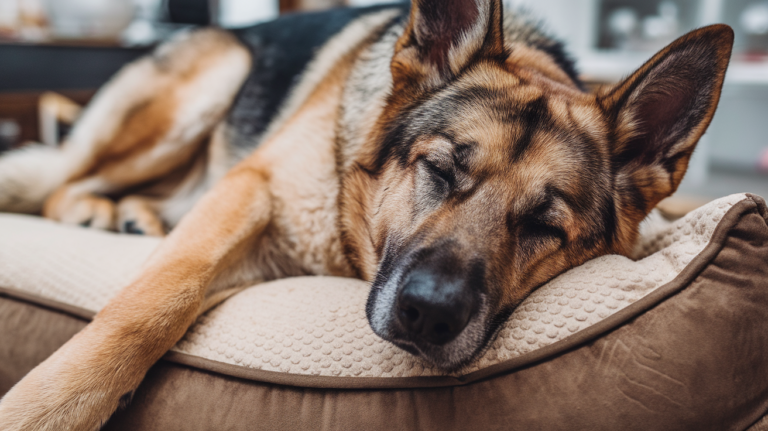
- Add orthopedic bedding to ease pressure on aging joints
- Modify exercise to lower-impact activities
- Increase veterinary visits to twice yearly
- Watch closely for signs of cognitive decline
Your German Shepherd ages approximately seven years for every one of yours. Their needs evolve rapidly, and your care strategy must evolve with them.
Many owners find that keeping detailed health records helps them notice subtle changes over time. Weight fluctuations, changes in appetite, energy level shifts, or behavioral modifications can all signal emerging health issues. The earlier you notice, the better the outcome.
Environmental modifications matter too. Ramps instead of stairs, raised food bowls for easier eating, and non-slip flooring all support aging bodies. These thoughtful adjustments show your GSD that you’re committed to their comfort throughout every stage of life.
The investment you make in your German Shepherd’s health today pays dividends in extra years of companionship, reduced veterinary emergencies, and a significantly improved quality of life for your four-legged partner. These seven strategies aren’t just suggestions; they’re the foundation of responsible German Shepherd ownership.