Sudden bursts of chaos have a purpose. Understand what triggers zoomies and how to handle them safely without killing the fun.
You’re sitting peacefully on your couch when suddenly your German Shepherd transforms into a furry tornado. They’re racing around the living room at what seems like the speed of light, bouncing off furniture, and looking absolutely possessed. Before you can even grab your phone to record this chaos, they’ve done seventeen laps around the coffee table. Welcome to the wild world of zoomies!
These explosive bursts of energy have a fancy scientific name (Frenetic Random Activity Periods, or FRAPs), but let’s be honest: zoomies is way more fun to say. And if you’ve got a German Shepherd, you’ve probably witnessed this phenomenon more times than you can count.
What Exactly Are Zoomies?
Zoomies, scientifically known as Frenetic Random Activity Periods (FRAPs), are sudden bursts of energy where your German Shepherd runs around like they’ve just discovered the secret to unlimited power. These episodes typically last anywhere from a few seconds to several minutes, and they’re characterized by rapid running, spinning, jumping, and generally acting like a complete goofball.
During a zoomie session, your dog might:
- Sprint in wide circles or figure eights
- Bow down with their front legs while keeping their rear end up (the classic play bow)
- Make sharp turns and sudden direction changes
- Have an expression that can only be described as pure, unfiltered joy
- Completely ignore your attempts to calm them down
The important thing to understand is that zoomies are completely normal. They’re not a sign that something is wrong with your German Shepherd. In fact, they’re usually a sign that things are going right.
Why Do German Shepherds Get Zoomies?
Energy Release and Breed Characteristics
German Shepherds were bred to work. These dogs were originally developed to herd sheep across vast German pastures, which required incredible stamina, intelligence, and energy. Even though most German Shepherds today spend their time on couches rather than in fields, that working dog DNA is still very much alive.
When a high energy breed like a German Shepherd doesn’t get enough physical and mental stimulation throughout the day, that pent up energy has to go somewhere. Sometimes it explodes all at once in a glorious display of canine chaos.
Your German Shepherd needs significant daily exercise. We’re not talking about a gentle stroll around the block. These dogs require real, substantial physical activity to stay healthy and happy.
| Age Group | Daily Exercise Needed | Mental Stimulation |
|---|---|---|
| Puppy (3-6 months) | 15-30 minutes (multiple sessions) | Basic training, puzzle toys |
| Puppy (6-12 months) | 30-60 minutes | Training, socialization, interactive games |
| Adult (1-7 years) | 60-120 minutes | Advanced training, jobs/tasks, varied activities |
| Senior (7+ years) | 30-60 minutes (adjusted to health) | Gentle training, scent work, light puzzles |
Common Zoomie Triggers
Certain situations seem to activate zoomie mode in German Shepherds more than others:
Post-bath zoomies are incredibly common. Many experts believe dogs zoom after baths because they’re relieved it’s over, trying to dry off, or simply reacting to the strange sensation of being wet. Whatever the reason, the post bath sprint session is practically a ritual for many German Shepherds.
Poop zoomies are another phenomenon that puzzles and amuses dog owners in equal measure. Some scientists think the relief after doing their business triggers a happiness response. Others suggest it’s an instinctual behavior related to getting away from potential predators who might be attracted to their scent. Either way, it’s hilarious.
Evening crazies often happen at predictable times, usually in the early evening. This might be because your dog has been relatively calm all day and needs to burn off accumulated energy before settling down for the night.
Excitement zoomies happen when something amazing occurs. Maybe you just got home from work. Maybe they spotted their favorite dog friend at the park. Maybe you said the magic word: “walk.” Pure joy sometimes translates directly into chaotic sprinting.
The Science Behind The Madness
What’s Happening in Your Dog’s Brain?
When your German Shepherd launches into zoomie mode, their brain is experiencing a rush of feel good chemicals. Physical activity releases endorphins, which create feelings of happiness and excitement. It’s essentially the same runner’s high that humans experience, except your dog gets it in concentrated, explosive bursts.
Zoomies also serve as a stress relief mechanism. Dogs can’t exactly journal about their feelings or call a friend to vent. Instead, they release tension and anxiety through physical activity. If your German Shepherd has been in a stressful situation (like a vet visit or meeting new people), don’t be surprised if they zoom afterward.
The Role of Age
Puppies and young dogs tend to have more frequent and intense zoomie sessions than older dogs. This makes perfect sense when you consider their energy levels and developing bodies. A young German Shepherd puppy is basically a battery that never runs out, powered by curiosity, excitement, and an inability to sit still for more than thirty seconds.
As dogs age, zoomies typically become less frequent and less intense. Senior German Shepherds might still have occasional bursts of energy, but they’re usually shorter and sweeter. If your older dog suddenly starts having much more frequent zoomies than usual, it might be worth checking with your vet to rule out any health issues.
What You Should Do During Zoomies
Safety First
The most important thing during a zoomie episode is safety. Your German Shepherd isn’t thinking clearly during these moments. They’re running on pure instinct and excitement, which means they might not notice hazards.
Clear the area of dangerous objects when possible. Move coffee table decorations, pick up toys that could be tripped over, and make sure there’s nothing breakable in the danger zone. If your dog zooms outside, ensure your yard is properly fenced. A German Shepherd in full zoom mode can easily jump or break through inadequate fencing.
Never chase your zooming dog or try to catch them mid sprint. This can turn the zoomies into an exciting game of chase that reinforces the behavior and could lead to your dog running somewhere dangerous.
Let It Happen
Unless your dog is in immediate danger, the best approach is usually to let the zoomies run their course. Trying to stop them is often futile anyway. Your German Shepherd is in their own world, experiencing pure joy and freedom. Let them have it!
Watch and enjoy the show. These moments of uninhibited happiness are part of what makes dogs so wonderful. Grab your phone and record it if you want. Future you will appreciate having video evidence of your dignified German Shepherd acting like a complete lunatic.
When to Intervene
There are times when you might need to redirect or stop zoomies:
Indoor zoomies can be problematic if your space is small or filled with breakable items. Try to redirect your dog outside where they have more room. Open the back door and encourage them to take the party to the yard.
Aggressive zoomies are rare but possible. If your dog seems stressed rather than joyful, or if they’re incorporating aggressive behaviors like excessive barking or snapping, you should calmly redirect them. This might indicate anxiety rather than playfulness.
Late night zoomies can be disruptive, especially if you live in an apartment or have sleeping children. If your German Shepherd regularly zooms at inconvenient times, it might indicate they need more exercise during the day.
Preventing Excessive Zoomies
Adequate Exercise is Key
The single most effective way to manage zoomies is through proper exercise. A tired German Shepherd is a well behaved German Shepherd. These dogs need substantial daily physical activity that goes beyond a quick bathroom break.
Mix up your exercise routine to keep things interesting. German Shepherds are intelligent and can get bored with the same walk every day. Try hiking different trails, playing fetch, practicing agility, or going for runs. Swimming is particularly excellent exercise that’s easy on joints while providing a full body workout.
Mental Stimulation Matters
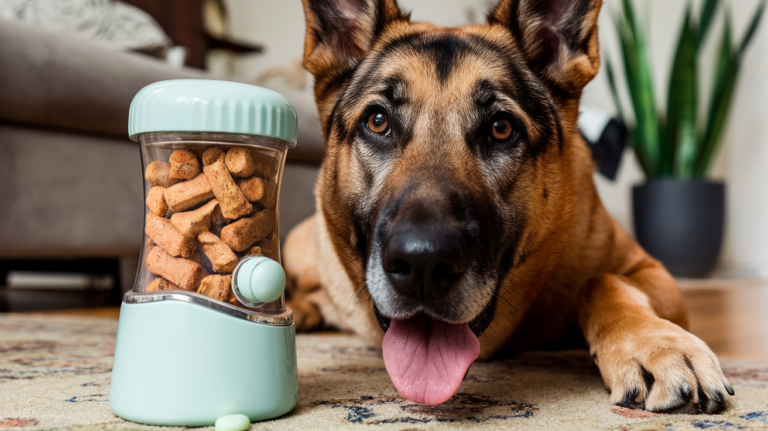
Don’t forget that German Shepherds need mental exercise too. These brilliant dogs were bred to think and problem solve. Puzzle toys, training sessions, scent work, and learning new tricks all provide mental stimulation that tires out your dog’s brain.
A mentally exhausted German Shepherd is often calmer than one who’s only physically tired. Combine physical exercise with mental challenges for the best results. A thirty minute training session can be just as tiring as a long walk for these intelligent dogs.
Establishing Routines
German Shepherds thrive on routine. Consistent daily schedules for meals, walks, playtime, and rest help regulate your dog’s energy levels throughout the day. When your dog knows what to expect and when to expect it, they’re less likely to have surprise energy explosions.
Build in designated play and exercise times. If your German Shepherd knows they have a vigorous play session every evening at 6 PM, they might be more settled the rest of the day. Routines create structure that helps manage energy levels naturally.
When Zoomies Might Signal a Problem
While zoomies are normal, excessive or unusual zoomies could indicate an underlying issue. Pay attention to the context and frequency. If your adult German Shepherd who rarely zoomed suddenly starts having multiple intense episodes daily, consider possible causes.
Medical issues like parasites, allergies, or neurological problems could manifest as increased restlessness or unusual behavior. If zoomies are accompanied by other symptoms like changes in appetite, bathroom habits, or overall demeanor, consult your veterinarian.
Anxiety or stress can also increase zoomie frequency. If your German Shepherd seems stressed, anxious, or unable to settle down even after exercise, they might be dealing with emotional issues that need addressing. A certified dog behaviorist can help identify and address anxiety related problems.
Lack of socialization or inadequate mental stimulation can lead to pent up energy that manifests as excessive zoomies. German Shepherds are social, intelligent animals who need interaction with people, other dogs, and environmental enrichment.
Embracing the Chaos
At the end of the day, zoomies are one of the many quirky, wonderful behaviors that make dogs such amazing companions. Your German Shepherd’s occasional transformation into a speed demon is usually just their way of expressing joy, burning energy, and being authentically themselves.
Rather than stressing about zoomies, celebrate them! These moments of pure, unfiltered happiness are precious. They remind us that sometimes the best thing we can do is let go of dignity and just run. Your German Shepherd has figured out something important: joy is meant to be expressed, energy is meant to be released, and life is meant to be lived at full speed (at least occasionally).
So the next time your noble, intelligent, dignified German Shepherd suddenly tucks their butt and takes off like a rocket, smile, clear the breakables, and enjoy the show. You’re witnessing pure canine bliss in action.