Some everyday habits quietly harm your dog. Discover the common mistakes owners make and how to fix them before damage adds up.
German Shepherds are basically the Navy SEALs of the dog world: athletic, intelligent, and built for action. So why do so many of them end up overweight, anxious, or struggling with preventable health issues? The answer might surprise you.
Most German Shepherd owners are genuinely trying their best. They buy premium food, schedule vet visits, and shower their dogs with love. Yet despite all this care, something’s going wrong. The culprit? Common mistakes that seem harmless but accumulate over time. Ready to find out if you’re making these errors? Buckle up, because some of these might hit close to home.
1. Overfeeding and Treating Them Like a Garbage Disposal
Here’s a shocking statistic: approximately 25 to 30% of German Shepherds are overweight or obese. And guess what? Those extra pounds aren’t just cosmetic. They’re wreaking havoc on your dog’s joints, heart, and lifespan.
German Shepherds are food motivated. Like, really food motivated. Those puppy dog eyes could convince you to hand over your entire dinner, and that’s exactly the problem. Every “just one more treat” adds up, especially when you’re not accounting for those calories in their daily intake.
Extra weight on a German Shepherd doesn’t just affect their appearance. It’s systematically destroying their hips, elbows, and spine with every single step they take.
Consider this breakdown of proper feeding:
| Dog Weight | Daily Calories | Treat Allowance (max) |
|---|---|---|
| 50-60 lbs | 1,200-1,400 | 120-140 calories |
| 65-75 lbs | 1,500-1,700 | 150-170 calories |
| 80-90 lbs | 1,800-2,000 | 180-200 calories |
That small biscuit you tossed them? It might contain 50 calories. Those training treats throughout the day? Another 200 calories. Suddenly, you’ve added an entire extra meal without realizing it.
The fix is surprisingly simple: measure everything. Use an actual measuring cup for their food, not your eyeballs. Count treats as part of their daily calorie budget, not as bonus additions. Your German Shepherd’s hips will thank you in their senior years.
2. Skipping Mental Stimulation (Because Physical Exercise Seems Enough)
You take your GSD on a two-hour hike, they’re panting and tired, mission accomplished, right? Wrong. So, so wrong.
German Shepherds were bred to work alongside humans, solving problems and making decisions. Their brains need exercise just as much as their bodies. A physically exhausted but mentally bored German Shepherd is like a smartphone with 50 tabs open in the background: technically idle, but internally going haywire.
This mental neglect manifests in delightful ways: destructive chewing, excessive barking, anxiety, and obsessive behaviors. Your dog isn’t being bad; they’re trying to create their own mental challenges because you forgot to provide any.
Try these brain-boosting activities:
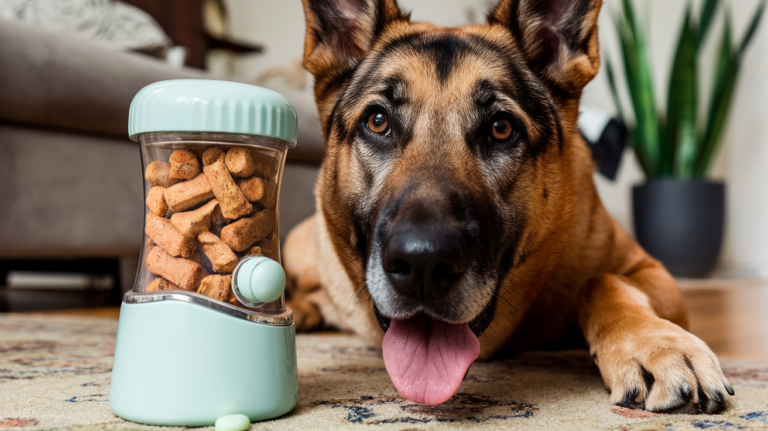
- Puzzle feeders that make them work for meals
- Scent work games where they hunt for hidden treats
- New trick training (yes, even old dogs can learn)
- Rotation of toys to maintain novelty
Fifteen minutes of mental challenge can tire out a German Shepherd more effectively than an hour of mindless fetch. Their working heritage demands engagement, not just movement.
3. Ignoring Early Signs of Hip Dysplasia
Let’s address the elephant in the room: German Shepherds and hip dysplasia go together like terrible roommates. It’s unfortunately common, and catching it early makes an enormous difference in quality of life.
Here’s what most owners miss: hip dysplasia doesn’t start with your dog suddenly unable to walk. It begins with subtle changes that are easy to dismiss. That slightly wonky sit where they lean to one side? The hesitation before jumping into the car? The preference for lying down rather than sitting? These aren’t quirks; they’re red flags.
By the time your German Shepherd is visibly limping, hip dysplasia has already progressed far beyond the early intervention stage. The subtle signs are screaming at you in a language you haven’t learned yet.
Early intervention options include:
- Weight management (see point #1!)
- Joint supplements like glucosamine and chondroitin
- Low-impact exercise modifications
- Anti-inflammatory medications when appropriate
- Physical therapy and hydrotherapy
The heartbreaking part? Many owners wait until their dog is in obvious pain before seeking help. Don’t be that owner. If your German Shepherd shows any reluctance with movement, get those hips x-rayed. Early detection can mean the difference between manageable discomfort and debilitating arthritis.
4. Exercising Them on Hard Surfaces Exclusively
Concrete. Asphalt. Tile floors. Hardwood. What do all these surfaces have in common? They’re absolutely brutal on your German Shepherd’s joints over time.
Think about it this way: every step on an unyielding surface sends shock waves through your dog’s legs, hips, and spine. For a 70-pound dog moving at speed, that’s tremendous repetitive impact. Now multiply that by thousands of steps daily for years. Your GSD’s joints are essentially getting hammered into submission.
The irony? Owners who exercise their dogs the most on pavement think they’re being responsible pet parents. They’re certainly providing exercise, but they’re also accelerating joint deterioration. German Shepherds already have genetic predisposition to joint problems; don’t give those issues a head start.
Better exercise surfaces include:
- Grass (natural cushioning)
- Sand (builds strength while reducing impact)
- Dirt trails (variable terrain engages stabilizing muscles)
- Rubberized surfaces at dog parks
Mix up your walking routes to include softer surfaces. Your local park’s grass isn’t just pretty; it’s medicinal for your dog’s skeletal system. And those beach trips? They’re not just fun; they’re orthopedic therapy disguised as play.
5. Feeding a Low-Quality Diet (Because Premium Seems Expensive)
Let’s talk money. That $30 bag of grocery store kibble seems like a steal compared to the $70 premium food. Over a year, you’re “saving” hundreds of dollars. Congratulations! You’ve also potentially set up a payment plan for future vet bills that’ll make that food savings look like pocket change.
German Shepherds have sensitive digestive systems. Really sensitive. Feed them low-quality food packed with fillers, by-products, and mystery ingredients, and you’re essentially asking for problems: chronic diarrhea, skin allergies, yeast infections, and inflammation.
Quality nutrition isn’t about being fancy; it’s about bioavailability. Can your dog actually digest and utilize the nutrients in their food? Cheap kibble might list protein on the label, but if it’s coming from beaks, feathers, and hooves rendered into meal, your dog’s body can’t efficiently process it.
What to look for in quality food:
- Named meat sources as the first ingredient (chicken, beef, salmon; not “meat meal”)
- Limited fillers like corn, wheat, and soy
- Appropriate protein levels (22-26% for adults)
- Omega fatty acids for coat and joint health
- No artificial colors or flavors
Yes, good food costs more upfront. But the reduction in vet visits, allergy medications, and digestive issues? That’s where you actually save money. Plus, your German Shepherd will have energy, a shiny coat, and healthy poops. Win, win, win.
6. Not Establishing Routine Vet Care Beyond Emergencies
Here’s a fun question: when was your German Shepherd’s last checkup? If you had to think about it for more than three seconds, you might be in this category.
Many owners operate on crisis management: the dog seems fine, so why spend money on a vet visit? Then something goes wrong, and suddenly they’re facing an advanced condition that could’ve been caught months earlier during routine bloodwork.
German Shepherds are masters at hiding pain and illness. It’s in their nature; showing weakness in a pack (even a human pack) goes against their instincts. By the time they’re showing symptoms you can’t ignore, the problem has often progressed significantly.
Your German Shepherd’s stoic nature is both their most admirable trait and their most dangerous liability. They’ll work through pain until their body simply cannot compensate anymore.
Annual vet visits should include:
- Comprehensive physical examination
- Bloodwork (especially for dogs over 7 years)
- Hip and elbow evaluation
- Dental assessment
- Parasite screening
- Weight and body condition scoring
Think of these visits as preventive maintenance, not optional extras. You wouldn’t skip oil changes on your car for three years; don’t skip health checks on your living, breathing companion.
7. Leaving Them Alone for Extended Periods Regularly
German Shepherds are Velcro dogs. They bond intensely with their families and genuinely suffer when isolated for long stretches. This isn’t about being needy; it’s about their fundamental psychology as a breed developed to work alongside humans.
Leaving your GSD alone for 8 to 10 hours daily creates a cascade of problems: separation anxiety, destructive behavior, depression, and even physical health issues. Chronic stress from isolation suppresses immune function, increases inflammation, and can literally shorten their lifespan.
The physical manifestations are real:
- Stress-induced diarrhea
- Excessive shedding and skin problems
- Appetite changes
- Obsessive licking or chewing
- Decreased immune response
Solutions that actually work:
- Doggy daycare a few days per week
- Mid-day dog walker visits
- Interactive cameras that dispense treats
- Another dog for companionship (only if you can handle two dogs)
- Adjusting work schedules when possible
Some German Shepherds adapt to alone time better than others, but none of them thrive in isolation. These dogs were bred to have jobs working with people. Leaving them in solitary confinement for most of their waking hours contradicts everything in their DNA.
If your lifestyle requires frequent long absences, consider whether a German Shepherd is the right breed for you. That’s not a judgment; it’s recognizing compatibility. These magnificent dogs deserve humans whose lives can accommodate their profound need for companionship.
The good news? Now that you know these seven sneaky health saboteurs, you can fix them. Your German Shepherd doesn’t need perfection; they need awareness and effort. Start with one change this week, then add another. Those small adjustments compound into years of additional healthy life with your best friend.