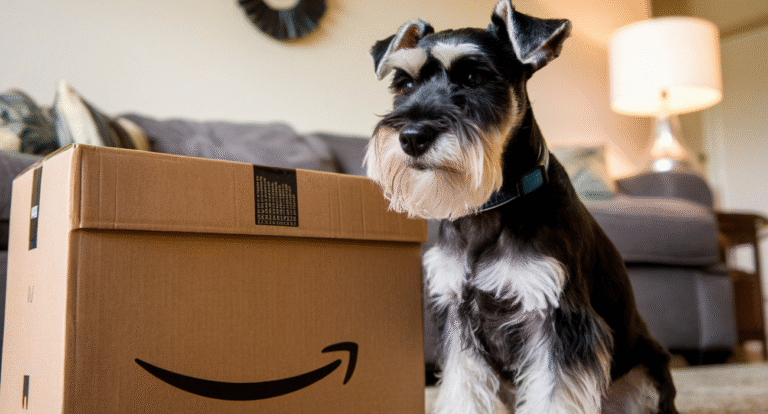
Nonstop barking driving you and the neighbors crazy? Discover the simple solution that calms your Schnauzer quickly.
Your Schnauzer’s barking probably made you laugh the first few times. Then it got old. Now you’re frantically Googling solutions at 2 AM because your furry friend just alerted the entire block to a leaf blowing past the window. Sound familiar?
The truth is, Schnauzers aren’t trying to drive you crazy. They’re doing exactly what centuries of breeding programmed them to do: sound the alarm. But understanding why they bark is only half the battle. The real magic happens when you learn specific, actionable techniques that transform your vocal watchdog into a calmer, quieter companion. Let’s get started.
Why Your Schnauzer Won’t Stop Barking
Before you can fix the barking, you need to understand what’s triggering it. Schnauzers aren’t just making noise for fun (though sometimes it might feel that way). These dogs were originally bred in Germany as ratters and guard dogs on farms. Their job? Alert the family to everything. That instinct doesn’t just disappear because they now live in a cozy suburban home.
Territorial Behavior
Territorial behavior tops the list of barking triggers. When your Schnauzer spots the mail carrier, a passing dog, or even a suspicious plastic bag floating down the street, their brain screams “INTRUDER!” You might see a harmless delivery person; your dog sees a potential threat to their domain. This type of barking usually happens at windows, doors, or fence lines.
Boredom and Excess Energy
Then there’s boredom and excess energy. Schnauzers are working dogs trapped in apartment lives. Without adequate mental and physical stimulation, all that pent up energy has to go somewhere. Barking becomes entertainment, exercise, and stimulation all rolled into one annoying package. A bored Schnauzer is a loud Schnauzer.
Attention Seeking
Attention seeking is another major culprit. If your dog has learned that barking gets them what they want (whether that’s treats, playtime, or even just you yelling “QUIET!”), congratulations: you’ve accidentally trained them to be noisy. Any attention, even negative attention, reinforces the behavior in their minds.
Anxiety & Fear
Don’t overlook anxiety and fear as triggers. Some Schnauzers bark when they’re stressed, scared, or uncertain. Separation anxiety, loud noises, or unfamiliar situations can all trigger defensive barking. This type often comes with other stress signals like pacing, whining, or destructive behavior.
| Barking Trigger | What It Looks Like | Common Scenarios |
|---|---|---|
| Territorial | Alert barking at windows/doors, aggressive posturing | Mail delivery, neighbors passing by, other dogs walking past |
| Boredom | Repetitive barking with no clear trigger, pacing | Long periods alone, insufficient exercise, lack of mental stimulation |
| Attention Seeking | Barking directly at you, stopping when acknowledged | During meals, while you’re on phone, when they want to play |
| Anxiety/Fear | High pitched barking, tucked tail, hiding | Thunderstorms, fireworks, separation, unfamiliar visitors |
The Foundation: Meeting Your Schnauzer’s Basic Needs
You can’t train away barking if your dog’s fundamental needs aren’t being met. Think of this as building a house: you need a solid foundation before adding the fancy fixtures. A tired Schnauzer is a quiet Schnauzer, and that starts with proper exercise.
Physical Exercise
Physical exercise isn’t optional for this breed. Schnauzers need at least 45 to 60 minutes of real activity daily. Not just a quick potty break around the block, but genuine, heart pumping exercise. Brisk walks, fetch sessions, agility training, or even doggy playdates at the park all count. When your Schnauzer has properly burned off their energy reserves, they’ll have much less motivation to bark at every little thing.
Mental Stimulation
But here’s what many owners miss: mental stimulation matters just as much as physical exercise. Schnauzers are incredibly intelligent, and a bored brain will find ways to entertain itself (usually through barking). Puzzle toys, training sessions, hide and seek games, and scent work can tire out your dog’s mind. Fifteen minutes of mental exercise can be as exhausting as a 30 minute walk.
Your Schnauzer needs to work for their food, play, and attention. A satisfied dog with tired muscles and a stimulated brain has little interest in barking at shadows.
Consistency
Consistency in routine also plays a huge role. Dogs thrive on predictability. When they know that walks happen at certain times, meals arrive on schedule, and play sessions are regular events, their anxiety levels drop significantly. Unpredictable schedules create stressed dogs, and stressed dogs bark more.
Step by Step Training Techniques That Actually Work
Now we get to the practical stuff. These techniques work, but only if you apply them consistently and patiently. Training a Schnauzer isn’t a weekend project; it’s an ongoing commitment.
The “Quiet” Command
Start by actually allowing your dog to bark a few times. Yes, really. When they start barking at a trigger, let them get it out of their system for a moment (count to three or four barks). Then, calmly say “Quiet” in a firm but not angry voice. The instant they stop barking, even for a second, mark it with a “Yes!” and immediately reward with a high value treat.
Timing is everything here. The treat needs to happen within one second of the quiet moment, or your dog won’t connect the dots. Repeat this process over and over. Eventually, your Schnauzer will understand that “Quiet” means silence gets rewards.
Important: Never yell “SHUT UP!” or scream at your barking dog. To them, you’re just joining in the barking session. They think you’re excited too. Stay calm, use your command word, and reward silence.
Desensitization to Triggers
If your Schnauzer loses their mind every time the doorbell rings, you need to change their emotional response to that sound. This is called desensitization, and it works beautifully for territorial barking.
Start by recording the trigger sound or recreating it at a very low intensity. Play the doorbell sound at barely audible volume. The instant you play it, give your dog an amazing treat. Repeat this process dozens of times over several days, gradually increasing the volume. The goal is to rewire your dog’s brain so that doorbell equals treat, not intruder alert.
You can apply this same principle to visual triggers too. If your Schnauzer barks at people walking past the window, set up training sessions where someone walks by at a distance while you feed treats. Gradually decrease the distance over many sessions.
Remove Access to Triggers
Sometimes the simplest solution is the best one. If your Schnauzer spends hours barking at the window, close the curtains or block access to that window. You’re not being mean; you’re managing the environment to set your dog up for success.
Can’t supervise your dog in the backyard where they bark at neighbors? Bring them inside. Does your dog bark at every sound from the hallway? Use white noise or calming music to mask those triggers. Environmental management isn’t cheating; it’s smart training.
You can’t train a behavior that you allow to be practiced repeatedly. Every time your Schnauzer barks at a trigger without consequences, you’re actually reinforcing the habit.
Redirect and Reward Alternative Behaviors
Instead of just stopping the barking, give your Schnauzer something else to do. When the mail carrier arrives, ask your dog to go to their mat or crate. When they comply, jackpot them with treats and praise. You’re teaching them that mail carrier arrival means mat time, not bark time.
This technique is called incompatible behaviors. Your dog can’t bark frantically while calmly lying on their mat (well, they can, but it’s much harder). You’re replacing one behavior with another that’s more acceptable.
Advanced Strategies for Stubborn Barkers
Some Schnauzers are particularly vocal, and basic techniques might not cut it. If you’ve tried everything and your dog is still auditioning for the canine opera, these advanced strategies might help.
Bark Collars
Bark collars are controversial, but modern vibration or citronella versions can work when used correctly. These aren’t the shock collars of old; they provide a gentle correction when your dog barks. Use them sparingly and always in combination with positive reinforcement training. They’re a tool, not a solution by themselves.
Professional Help
Professional help isn’t admitting defeat. A certified dog behaviorist or trainer who specializes in Schnauzers can identify issues you might miss. They can customize a training plan specifically for your dog’s triggers and personality. Sometimes an outside expert sees patterns that you’ve become blind to.
Doggy Daycare (Or Dog Walkers)
Consider daycare or dog walkers if your Schnauzer’s barking stems from isolation and boredom. Breaking up their day with social interaction and exercise can dramatically reduce problem barking. Many dogs who are nightmares at home alone are perfect angels when properly exercised and socialized.
The most stubborn barking problems usually have multiple triggers working together. Solving them requires a layered approach that addresses physical needs, mental stimulation, environmental management, and consistent training all at once.
What NOT to Do
Let’s talk about common mistakes that actually make barking worse. These are the traps that well meaning owners fall into constantly.
Never reinforce barking by giving your dog what they want when they bark. If your Schnauzer barks to go outside and you immediately open the door, you’ve just taught them that barking is the magic word. Instead, wait for a moment of silence, then open the door. The quiet behavior earns the reward, not the noise.
Don’t use punishment based methods like spray bottles, loud noises, or physical corrections. These might stop the barking temporarily, but they create anxious, fearful dogs who may develop worse behavioral problems. Plus, Schnauzers are sensitive dogs despite their tough exterior. Harsh methods damage your relationship and trust.
Inconsistency kills training faster than anything else. If everyone in your household isn’t following the same rules and using the same commands, your Schnauzer will never learn. One person can’t allow window barking while another person corrects it. The whole family needs to be on the same page.
Ignoring the problem won’t make it disappear. Hoping your Schnauzer will “grow out of it” usually means you’ll have an adult dog with an entrenched barking habit that’s much harder to fix. Start addressing the behavior early and consistently.
The Reality Check
Training a Schnauzer to bark less takes time. We’re talking weeks or months, not days. Some improvement should happen within the first couple of weeks if you’re consistent, but fully resolving a serious barking problem might take three to six months of dedicated work.
You’re not trying to create a silent dog. Schnauzers should bark sometimes; that’s part of their charm and function as watchdogs. The goal is controlled, appropriate barking rather than constant noise. A well trained Schnauzer will alert you to genuine concerns but stay quiet during normal daily events.
Setbacks will happen. Your dog might have a perfect week, then suddenly regress when something stressful occurs. That’s normal. Progress isn’t always linear. The key is to stay consistent with your training even when it feels like you’re moving backward.
Celebrate small victories. Your Schnauzer stopped barking after just three woofs instead of thirty? That’s progress! They stayed quiet when the neighbor’s dog walked by? Victory! Recognizing and rewarding these incremental improvements keeps both you and your dog motivated.
The bottom line is this: your Schnauzer’s barking can improve dramatically with the right approach. These dogs are incredibly trainable when you work with their intelligence and instincts rather than against them. Put in the effort now, and you’ll enjoy years of peaceful coexistence with your bearded companion.