Relief may come sooner than you think. Discover simple steps that can dramatically reduce your German Shepherd’s anxiety in just days.
Your German Shepherd’s anxiety isn’t just stressful for them; it’s exhausting for you too. Between the destroyed furniture, the neighbor complaints about barking, and the guilt you feel every time you leave the house, anxiety has turned dog ownership into a daily challenge. But what if relief was closer than you think?
Forget everything you’ve heard about anxiety being a permanent personality trait or something that takes months of expensive therapy to fix. Modern understanding of canine behavior has revealed faster, more effective methods that work with your dog’s brain chemistry rather than against it. In this article, you’ll discover exactly how to implement these game-changing strategies starting today.
Understanding Why German Shepherds Develop Anxiety
German Shepherds weren’t bred to be couch potatoes. These intelligent, high-energy dogs were designed for work, whether that’s herding sheep, protecting property, or serving alongside law enforcement. When their physical and mental needs aren’t met, anxiety often fills the void.
But genetics plays a role too. GSDs are naturally vigilant and bonded closely to their families. This loyalty is wonderful until it crosses into separation anxiety territory. Their sharp intelligence, while impressive, also means they’re more likely to develop fears and phobias through negative experiences. One scary trip to the vet? Your GSD might remember it forever.
Common Anxiety Triggers in German Shepherds
Let’s get specific about what sets off that anxious behavior. Recognizing triggers is your first step toward creating a calmer dog.
Separation anxiety tops the list. Your GSD sees you as their pack leader, their entire world. When you disappear, their brain tells them the pack is in danger. Cue the destruction, howling, and frantic pacing.
Loud noises like thunderstorms, fireworks, or construction can send even the bravest GSD into panic mode. Their exceptional hearing (far superior to ours) means sounds we find merely annoying can be genuinely frightening to them.
Lack of structure creates uncertainty, and uncertainty breeds anxiety. German Shepherds thrive on routine and clear expectations. Without them, they’re constantly wondering what’s coming next, which keeps their stress levels elevated.
The Physical Signs You’re Missing
Most owners recognize the obvious signs: destructive behavior, excessive barking, or trembling. But anxiety manifests in subtler ways too.
Watch for excessive licking or chewing of paws, which dogs do as a self-soothing mechanism. Yawning when not tired, whale eyes (showing the whites of their eyes), and pinned-back ears are all stress indicators. Changes in appetite, whether eating too much or too little, signal emotional distress.
Your German Shepherd’s body language is a constant stream of communication. Learning to read these subtle signals means you can intervene before anxiety escalates into a full-blown panic attack.
The Quick-Action Plan: Days 1 Through 3
Ready for the practical stuff? This isn’t theory; it’s a step-by-step roadmap that produces visible results fast.
Day 1: Creating the Safety Zone
Your first mission is establishing a designated “safe space” for your GSD. This could be a crate (if properly introduced), a quiet corner of your bedroom, or a specific room where they can retreat.
Make this space irresistibly comfortable. Add their favorite blanket, a worn t-shirt that smells like you, and perhaps a white noise machine to muffle scary sounds. The key is consistency: this space is always available and always positive. Never use it for punishment.
Spend Day 1 making this area appealing. Feed treats there, play calm games nearby, and let your dog explore it at their own pace. You’re building a mental association: this place equals safety and good things.
Day 2: The Power of Predictable Routines
German Shepherds are creatures of habit, and anxiety thrives in chaos. Day 2 focuses on establishing rock-solid routines.
Create a schedule for feeding, walks, play time, and rest periods. Try to keep these activities happening at the same times each day. Your GSD’s internal clock will sync up, reducing the constant vigilance that fuels anxiety.
Here’s the magic part: pre-departure routines. If you always grab your keys, put on shoes, and then leave (triggering panic), start doing these actions randomly throughout the day without leaving. Pick up your keys, sit back down. Put on your coat, then make coffee. You’re desensitizing your dog to these triggers.
Day 3: Physical and Mental Exhaustion (The Good Kind)
This is where many GSD owners drop the ball. A tired dog is a calm dog, but we’re not just talking about a quick walk around the block.
Your German Shepherd needs intense physical exercise. We’re talking 60 to 90 minutes daily, minimum. Running, hiking, fetch sessions that leave them genuinely tired. Not leisurely strolls; we need that heart rate up.
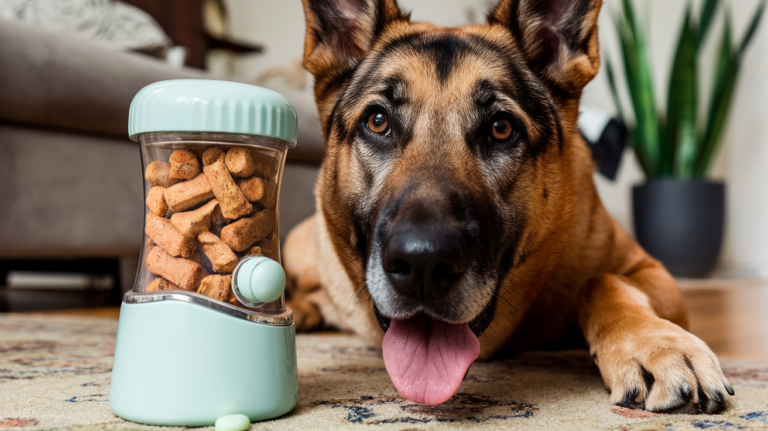
But here’s what most people miss: mental exercise is equally crucial. Puzzle toys, scent work, training new commands, or hide-and-seek games with treats engage their brilliant minds. A 15-minute training session can be as tiring as a 30-minute walk.
| Exercise Type | Duration | Frequency | Anxiety Impact |
|---|---|---|---|
| Intense cardio (running, fetch) | 30-45 min | Twice daily | Very High |
| Mental stimulation (training, puzzles) | 15-20 min | 2-3 times daily | Very High |
| Leisurely walks | 20-30 min | Once daily | Moderate |
| Chew toys/Kongs | 30-60 min | As needed | Moderate |
A German Shepherd with pent-up energy isn’t anxious; they’re frustrated. The “anxiety” you’re seeing might simply be a brilliant, athletic dog slowly going stir-crazy from boredom.
Advanced Techniques for Days 4 and Beyond
You’ve laid the foundation. Now we’re adding layers that transform temporary improvements into lasting changes.
Counter-Conditioning and Desensitization
These fancy terms describe a simple concept: gradually changing your dog’s emotional response to anxiety triggers.
Let’s say your GSD panics when you leave. Start by stepping outside for literally five seconds, then immediately returning before anxiety kicks in. Reward calm behavior. Next time, ten seconds. Then fifteen. You’re teaching their brain that your departure isn’t catastrophic because you always come back.
For noise phobias, play recordings of the scary sound at very low volume while your dog enjoys something amazing (their favorite treats, a special toy). Gradually increase volume over days or weeks. The goal is replacing “thunder equals terror” with “thunder equals good things happen.”
The Calming Protocol Revolution
Dr. Karen Overall’s Relaxation Protocol is a structured program teaching dogs to remain calm in increasingly distracting situations. It sounds boring (and it kind of is), but the results are remarkable.
You’ll ask your dog to hold stays while you perform various activities: opening doors, jumping, clapping, or moving around. Sessions last 15 minutes and progress gradually. What you’re really teaching is impulse control and the ability to remain calm when stimulating things happen.
This protocol directly addresses anxiety by building your dog’s confidence and teaching them that arousing events don’t require a reaction. Many owners report significant anxiety reduction within a week of daily practice.
Supplements and Natural Aids
Before reaching for prescription medications, several natural options show promising results for canine anxiety.
CBD oil has gained popularity among dog owners, with many reporting calmer, more relaxed pets. Look for products specifically formulated for dogs with third-party testing.
L-theanine and alpha-casozepine are amino acids that promote relaxation without sedation. Available in chews or supplements, they’re worth exploring under veterinary guidance.
Adaptil diffusers release a synthetic version of the calming pheromone mother dogs produce for puppies. While not a miracle cure, many dogs respond positively to this subtle environmental change.
Creating Long-Term Success
Quick fixes get you started, but lasting change requires understanding the bigger picture of your German Shepherd’s emotional wellbeing.
The Role of Leadership and Confidence
Anxiety often stems from uncertainty about who’s in charge. Your GSD needs to trust that you handle the scary stuff, not them. This doesn’t mean dominance or punishment; it means calm, consistent leadership.
Make decisions confidently. When your dog looks to you during stressful moments, respond with relaxed body language and matter-of-fact behavior. You’re communicating: “I’ve got this, you can relax.”
Practice having your dog wait for permission before going through doors, eating meals, or receiving attention. These small exercises reinforce that you’re the decision-maker, which paradoxically reduces their stress. They can finally stop worrying about everything.
Avoiding Common Mistakes That Make Anxiety Worse
Well-meaning owners often accidentally reinforce anxious behavior. When your GSD acts scared and you immediately shower them with attention and comfort, you’re rewarding the fearful response.
Instead, remain calm and redirect to normal activities or commands they know well. You’re showing them that the scary thing isn’t worth dramatic reactions. Save the soothing voice and pets for when they’re being brave and calm.
Punishment for anxious behavior is another huge mistake. Your dog isn’t being “bad”; they’re genuinely distressed. Punishment adds another layer of fear and damages trust. Always respond to anxiety with patience and strategic training, never anger.
When to Seek Professional Help
Sometimes DIY approaches aren’t enough, and that’s completely okay. If your German Shepherd’s anxiety involves aggression, if they’re injuring themselves, or if you’re seeing zero improvement after two weeks of consistent effort, it’s time to call in reinforcements.
A certified veterinary behaviorist can assess for underlying medical issues and prescribe medication if needed. A qualified positive reinforcement trainer can provide personalized guidance. There’s no shame in getting help; in fact, it shows you’re committed to your dog’s wellbeing.
Professional intervention isn’t admitting defeat. It’s recognizing that your German Shepherd deserves access to all available resources, just as you would seek specialized care for yourself when facing challenges beyond your expertise.
Making It Stick: Your Daily Anxiety-Prevention Routine
Transforming your anxious German Shepherd isn’t a one-time project; it’s an ongoing lifestyle adjustment that becomes easier with time.
Morning: Start with exercise before your day begins. A tired GSD has less energy for anxious behaviors. Follow with breakfast in their safe space or from a puzzle feeder.
Midday: If possible, provide a break in their day. A dog walker, a neighbor popping in, or even a strategically placed camera that lets you talk to them helps break up long alone periods.
Evening: More exercise, training sessions, and quality bonding time. End with calm activities as bedtime approaches.
Consistency is everything. Your German Shepherd’s anxiety didn’t develop overnight, and while you’ll see improvements quickly, maintaining those gains requires dedication. But watching your once-anxious dog transform into a confident, relaxed companion? Absolutely worth every minute invested.