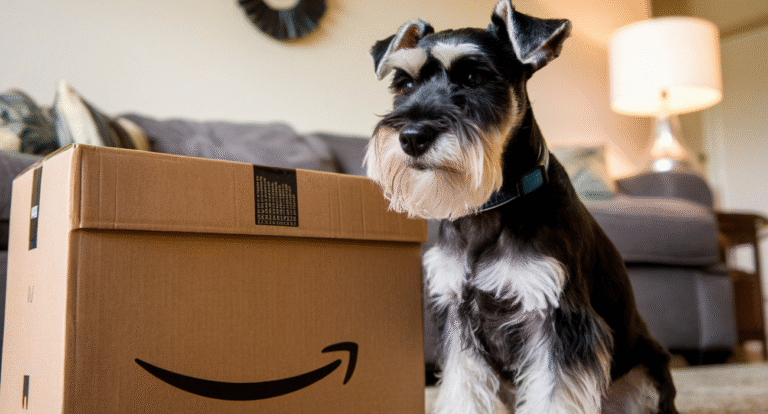
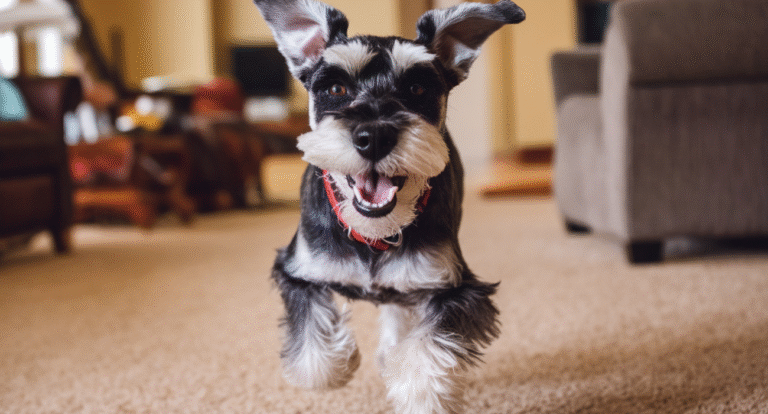
Discover the perfect time of day to train your Schnauzer for faster learning and better focus. Timing really can make training easier.
Your Schnauzer bounds into the room at 6 AM, full of energy and mischief. Two hours later, they’re a potato on the couch. By evening, they’re ready to conquer the world again. Sound familiar? These energy swings aren’t random chaos; they’re carefully orchestrated by your dog’s internal biology.
Most Schnauzer owners approach training with enthusiasm but without strategy. They train whenever they have free time, which makes sense from a human perspective but completely ignores what’s happening inside their dog’s body. The truth is, there absolutely is an optimal window for training, and once you find it, everything changes.
Your Schnauzer’s Natural Daily Rhythm
Dogs operate on what scientists call a circadian rhythm, essentially an internal clock that regulates everything from hormone release to body temperature. For Schnauzers specifically, these patterns create distinct windows throughout the day where their brains are primed for learning versus times when they might as well be trying to understand quantum physics.
The canine circadian rhythm differs significantly from ours. While humans typically experience an afternoon slump around 2 PM, dogs have their own unique energy curve. Schnauzers, being naturally energetic and alert breeds, tend to have two major peak periods during the day where their cognitive functions are operating at maximum capacity.
Morning Magic: The First Golden Window
The period between 7 AM and 9 AM represents prime training territory for most Schnauzers. After a full night’s rest, your dog’s cortisol levels are naturally elevated (in a good way), which increases alertness and focus. Their stomach isn’t completely full yet, making treat motivation incredibly effective. Think of this as the dog equivalent of that first cup of coffee where everything seems possible.
During these morning hours, your Schnauzer’s brain is fresh and unburdened by the day’s stimuli. They haven’t been overstimulated by squirrels, mailmen, or that suspicious leaf blowing across the yard. This mental clarity translates directly into better retention of commands and faster learning of new behaviors.
Morning training sessions capitalize on your dog’s natural alertness and hunger drive, creating the perfect storm for successful learning.
The Science Behind Timing
Research into canine cognition has revealed fascinating insights about how dogs process and retain information. A study examining learning patterns in various breeds found that training sessions conducted during peak alertness windows resulted in 40% faster command acquisition compared to sessions during low energy periods.
| Time of Day | Energy Level | Focus Capacity | Treat Motivation | Training Effectiveness |
|---|---|---|---|---|
| 6 AM to 8 AM | High | Excellent | Very High | Optimal |
| 9 AM to 12 PM | Moderate to High | Good | High | Good |
| 12 PM to 3 PM | Low to Moderate | Fair | Moderate | Poor |
| 3 PM to 6 PM | Moderate | Good | Moderate | Fair |
| 6 PM to 8 PM | High | Good | High | Optimal |
| After 8 PM | Declining | Fair | Low | Poor |
The data doesn’t lie. Your Schnauzer’s ability to focus, remember, and execute commands varies dramatically based on their internal biological state. Hormones like cortisol and melatonin surge and recede throughout the day, directly impacting cognitive performance.
The Afternoon Slump Is Real
Between noon and 3 PM, most Schnauzers experience what trainers call the “dead zone.” Their body temperature rises slightly, melatonin begins to creep back into their system, and if they’ve had lunch, blood flow redirects to digestion rather than brain function. Attempting to teach your Schnauzer something new during this window is possible but incredibly inefficient.
This doesn’t mean your dog is lazy or uncooperative. Their biology is literally working against learning during these hours. Save this time for gentle play, bonding activities, or (let’s be honest) napping together on the couch.
Evening Excellence: The Second Peak
As the day winds down and temperatures cool, something magical happens to your Schnauzer’s brain. Around 6 PM to 8 PM, dogs experience their second wind. This evening peak period offers another excellent opportunity for training sessions, though with some important caveats.
Evening training has distinct advantages. Your Schnauzer has burned off excess physical energy throughout the day, making them less likely to zoom around like a furry tornado. However, they’re not completely exhausted yet, so mental capacity remains strong. The cooler evening air also helps; dogs perform better cognitively when they’re not overheated.
What Makes Evening Different
The evening window differs from morning training in subtle but important ways. Your Schnauzer has experienced the full day’s worth of stimuli, which means they might be slightly more distracted by residual excitement. They’ve also already eaten, potentially reducing food motivation (though most Schnauzers would argue that treats are always motivating).
Consider evening sessions ideal for reinforcement training rather than introducing completely new concepts. This is when you perfect the commands they already know, fine tune their responses, and work on duration and distance. Think of morning as “learn mode” and evening as “master mode.”
The evening training window excels at solidifying behaviors your Schnauzer already knows, turning good responses into automatic ones.
Individual Variations Matter
Here’s where things get interesting: not every Schnauzer operates on the exact same schedule. Factors like age, health status, diet timing, and individual personality create variations in optimal training times. A young, energetic Miniature Schnauzer might have three peak periods daily, while an older Standard Schnauzer might do best with one focused morning session.
Age Adjustments for Training Time
Puppies under six months have shorter attention spans but more frequent energy bursts. They benefit from multiple short sessions (five to ten minutes) spread throughout the day rather than one long session. Their optimal times often align with periods right after waking from naps, when they’re alert but not yet chaotic.
Adult Schnauzers (one to seven years) typically follow the standard morning and evening peak pattern most reliably. Their mature attention spans allow for longer sessions of 15 to 20 minutes. This age group shows the strongest correlation between training time and effectiveness.
Senior Schnauzers (over seven years) might shift toward preferring late morning sessions around 10 AM to 11 AM. They need extra time to fully wake up and get moving, but once they do, their vast experience and bond with you can make training remarkably efficient, even if their physical capabilities have changed.
Environmental Factors That Shift Optimal Times
Your household routine dramatically impacts when training works best. If your home is chaotic with kids getting ready for school at 7 AM, your Schnauzer’s “optimal” morning window might actually be terrible for training. Context matters as much as biology.
Temperature plays a massive role, especially for Schnauzers with their thick double coats. On sweltering summer days, morning sessions need to happen earlier (think 6 AM to 7 AM), while evening sessions should be later (8 PM to 9 PM) to avoid heat stress. In winter, mid morning sessions (9 AM to 10 AM) might be more comfortable and therefore more effective.
Meal Timing Creates Opportunity
Strategic meal scheduling can enhance training effectiveness. Many professional trainers recommend feeding Schnauzers after training sessions rather than before. This approach maximizes food motivation during training while also establishing the session as a “hunt” that results in a reward (meal). If you typically feed at 7 AM, consider moving breakfast to 8 AM and training from 7 AM to 7:30 AM.
Aligning your Schnauzer’s meal schedule with training times transforms ordinary treats into extraordinary motivators.
The Consistency Principle
Whatever time you choose, consistency amplifies results exponentially. Dogs thrive on routine, and Schnauzers especially appreciate knowing what comes next. Training at the same time daily creates an anticipatory state where your dog’s brain begins preparing for learning before you even start.
This anticipatory priming shouldn’t be underestimated. When your Schnauzer knows that 7 AM means training time, their brain starts releasing the appropriate hormones and neurotransmitters in advance. They’re essentially warming up mentally without any effort on your part. This biological preparation can reduce the time needed to get them focused by several minutes per session.
Building The Training Ritual
Beyond just picking a time, create a ritual that signals training mode. Maybe you put on specific shoes, grab a particular treat pouch, or use a certain phrase. These contextual cues help your Schnauzer transition from regular dog mode into learning mode more smoothly. The time of day provides the biological foundation, but rituals build the psychological framework.
Weather and Seasonal Considerations
Mother Nature doesn’t care about your ideal training schedule. During extreme weather, flexibility becomes necessary while still respecting your dog’s natural rhythms. On days with severe heat, thunderstorms, or bitter cold, adapt rather than abandon the concept of optimal timing.
Indoor training during adverse weather can happen any time the biological window is right, since environmental temperature and stimulation become controlled factors. This might mean teaching your Schnauzer to navigate obstacles in the living room at 7 AM while it’s storming outside, perfectly aligned with their peak learning time.
Seasonal changes also shift optimal windows gradually. As days lengthen in summer, your Schnauzer’s evening peak might naturally extend later. In winter’s darkness, their whole rhythm might shift earlier to align with available daylight. Pay attention to these subtle seasonal adjustments rather than rigidly sticking to clock times.
The Weekend Factor
Your schedule changes on weekends, and so might your dog’s optimal training time. If your Schnauzer typically wakes at 6 AM on weekdays but you sleep until 9 AM on Saturdays, their rhythm adjusts. This isn’t necessarily problematic, but it does mean weekend training might need to happen slightly later to catch their peak state.
Some trainers actually recommend different training times for weekdays versus weekends based on household activity patterns. Your Schnauzer might be most receptive at 7 AM on Tuesday when the house is quiet, but not until 10 AM on Sunday when everyone’s moving around leisurely. The key is reading your individual dog’s state rather than blindly following a schedule.
Practical Implementation Strategies
Knowing the theory means nothing without application. Start by observing your Schnauzer’s natural energy and focus patterns for one week without structured training. Note when they seem most alert, when they’re food motivated, and when they’re naturally calmer. This observation period reveals your dog’s individual optimal windows.
Once you’ve identified potential times, experiment with short five minute training sessions at different points throughout the day. Track your Schnauzer’s response time to commands, number of successful repetitions, and overall engagement level. After two weeks of experimentation, patterns will emerge clearly showing which time produces the best results for your specific dog.
Don’t overthink this process. You’re looking for the time when training feels easier, when your Schnauzer seems more focused and retains information better. Trust your observations and your dog’s responses over rigid adherence to general guidelines. Every Schnauzer is wonderfully unique, and their optimal training time is ultimately about finding what works for your individual furry companion in your specific life circumstances.