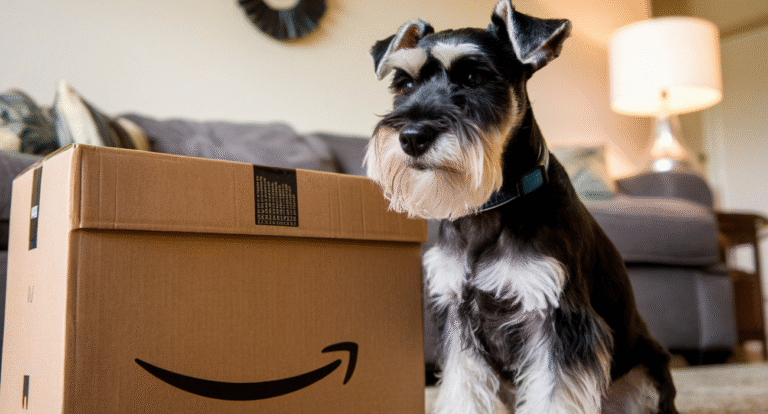
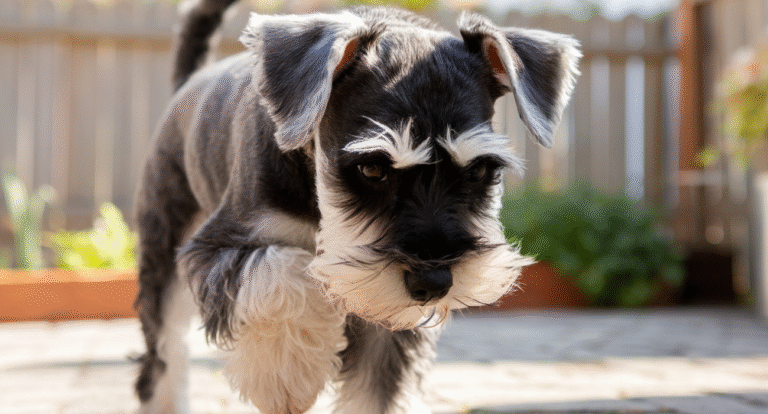
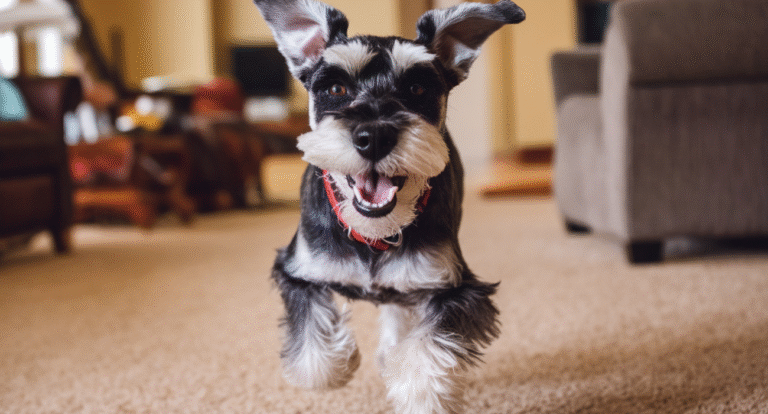
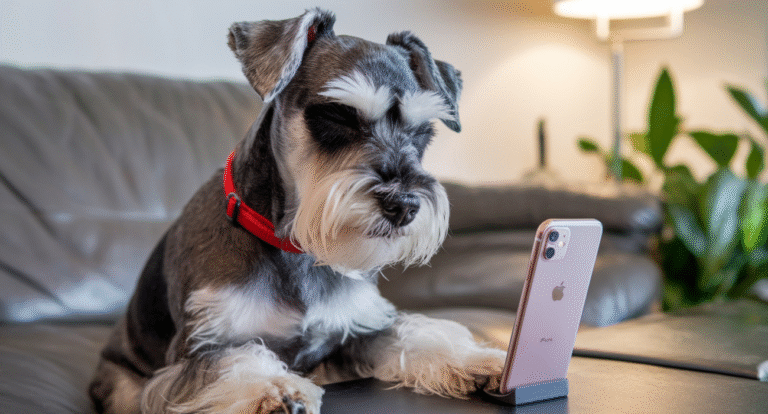
Just one daily walk could dramatically improve your Schnauzer’s life. Find out how this healthy habit supports longevity and joyful days.
Some days, that daily walk feels like a chore. It’s raining, you’re tired, and your Schnauzer has already zoomed around the backyard three times. Surely that counts, right? Wrong. And here’s why it matters more than you think.
Those daily walks represent an investment in your Schnauzer’s future. We’re not being dramatic when we say that this single habit could determine whether your furry friend is around for 12 years or 15. The difference between those numbers? Potentially hundreds of additional days of tail wags, silly antics, and unconditional love. That’s worth lacing up your shoes for.
Walking and Canine Longevity
Veterinary researchers have spent decades studying what actually extends dog lifespans, and the results consistently point to one deceptively simple factor: regular, moderate exercise. For Schnauzers specifically (whether you have a Miniature, Standard, or Giant), daily walks create a cascade of biological benefits that ripple through every system in their body.
When your Schnauzer walks, their cardiovascular system kicks into gear. Blood flows more efficiently, carrying oxygen to vital organs and flushing out metabolic waste products that can accelerate aging. Their heart muscle strengthens with each outing, becoming more efficient at pumping blood. This isn’t theoretical; studies have shown that dogs who walk regularly have significantly lower rates of heart disease, which is one of the leading causes of death in older dogs.
But the benefits go far beyond the heart. Walking stimulates the production of crucial hormones and neurotransmitters. Serotonin levels increase, reducing anxiety and promoting better sleep patterns. Growth factors that support brain health get released, potentially staving off cognitive decline that affects many senior dogs. Your Schnauzer’s immune system actually becomes more robust with consistent moderate exercise, helping them fight off everything from minor infections to more serious diseases.
How Much Walking Does Your Schnauzer Actually Need?
The answer depends partly on which variety of Schnauzer shares your home. Let’s break it down:
| Schnauzer Type | Minimum Daily Walk Time | Ideal Distance | Energy Level |
|---|---|---|---|
| Miniature Schnauzer | 30-45 minutes | 1-2 miles | High |
| Standard Schnauzer | 45-60 minutes | 2-3 miles | Very High |
| Giant Schnauzer | 60-90 minutes | 3-5 miles | Extremely High |
These aren’t arbitrary numbers pulled from thin air. They’re based on the breed’s working dog heritage and their metabolic needs. A Miniature Schnauzer weighing 15 pounds has completely different exercise requirements than a Giant Schnauzer tipping the scales at 75 pounds, but all Schnauzers need substantial daily movement.
Here’s what many owners don’t realize: one long walk is generally better than multiple short potty breaks. That 40-minute continuous walk provides cardiovascular benefits that three 10-minute trips simply cannot match. During longer walks, your Schnauzer’s body enters an aerobic state where fat burning increases, muscle tone improves, and those longevity-promoting biological processes kick into high gear.
The Mental Health Component Nobody Talks About
Physical health grabs all the headlines, but the mental stimulation from daily walks might be equally important for extending your Schnauzer’s life. These are intelligent, curious dogs with active minds that need engagement. Boredom and understimulation can lead to stress, and chronic stress is increasingly recognized as a major factor in premature aging for all mammals, dogs included.
Walking isn’t just exercise. It’s your Schnauzer’s daily newspaper, social media feed, and adventure novel all rolled into one. Every fire hydrant tells a story, every squirrel provides drama, and every new smell is breaking news.
During walks, your Schnauzer’s brain lights up like a Christmas tree. They’re processing hundreds of scents, tracking movements, listening to sounds, and making decisions about where to investigate next. This cognitive workout keeps their mind sharp well into their senior years. Dogs who remain mentally engaged through regular environmental enrichment (which walking absolutely provides) show significantly lower rates of canine cognitive dysfunction, the dog equivalent of dementia.
The social aspect matters too. Regular walks often mean encountering other dogs, people, and novel situations. For Schnauzers, who can be naturally alert and sometimes aloof with strangers, this controlled exposure helps maintain social skills and reduces anxiety. A confident, socially well-adjusted Schnauzer experiences less chronic stress, and lower stress levels translate directly to better health outcomes and longer lifespans.
Weight Management: The Unglamorous Truth
Let’s address the elephant in the room (or rather, the pleasantly plump Schnauzer on the couch). Obesity is one of the most significant factors that shortens dog lifespans, and Schnauzers are particularly prone to weight gain. Their compact, muscular build can hide extra pounds until the problem becomes serious. Regular walking is your first and best defense against weight-related health problems.
Veterinary data shows that overweight dogs live approximately two years less than their healthy-weight counterparts. For Schnauzers, carrying extra weight increases the risk of diabetes, joint problems, breathing difficulties, and certain cancers. Daily walks don’t just burn calories during the activity itself; they boost your Schnauzer’s metabolism for hours afterward and help maintain lean muscle mass that continues burning calories even at rest.
Think about the math: a 30-minute walk might burn 50-80 calories for a Miniature Schnauzer. That might not sound impressive, but over a year, that’s potentially 18,000-29,000 calories. Those numbers represent the difference between a trim, healthy dog and one carrying an extra three to five pounds (which on a 15-pound dog is equivalent to a human carrying an extra 30-50 pounds).
Joint Health and Mobility in the Golden Years
Here’s an interesting paradox: many owners reduce walks as their Schnauzer ages, worried about stressing arthritic joints. In most cases, this actually accelerates joint deterioration. Moderate, regular walking keeps joints lubricated and maintains the muscle support structure that protects those joints from excessive wear and tear.
Movement is medicine for aging joints. The worst thing you can do for a senior Schnauzer’s mobility is to let them become sedentary. Keep them walking, and those legs will keep working.
Cartilage, the cushioning material in joints, doesn’t have its own blood supply. It receives nutrients through a process called imbibition, where movement pumps synovial fluid through the cartilage like a sponge. Without regular movement, cartilage literally starves. Daily walks keep this process functioning, potentially preventing or slowing the progression of arthritis.
For senior Schnauzers, you might need to adjust the intensity (shorter, more frequent walks rather than one long trek), but maintaining that daily routine becomes even more important, not less. Dogs who continue regular moderate exercise well into their senior years maintain mobility significantly longer than those who become couch potatoes. That extended mobility means more quality years where your Schnauzer can still enjoy life to the fullest.
The Bonding Factor and Stress Reduction
Something almost magical happens during those daily walks: the bond between you and your Schnauzer deepens. This isn’t sentimental nonsense; it’s measurable biology. Both you and your dog experience increased oxytocin levels during shared activities like walking. Oxytocin, often called the “bonding hormone,” reduces stress, lowers blood pressure, and promotes feelings of contentment and security.
A Schnauzer who feels securely bonded to their human companion experiences less separation anxiety, adapts better to changes in routine, and generally lives with lower baseline stress levels. These psychological factors have real physiological effects. Chronic stress elevates cortisol, which over time damages multiple body systems and accelerates aging. A happy, secure, regularly walked Schnauzer simply lives longer than an anxious, isolated, sedentary one.
Plus, there’s something to be said for the routine itself. Schnauzers, like most dogs, thrive on predictability. That daily walk becomes an anchor point in their day, something they can count on. This sense of structure and anticipation contributes to overall wellbeing in ways that are hard to quantify but impossible to dismiss.
Practical Tips for Maximizing Walk Benefits
Not all walks are created equal. To truly maximize the longevity benefits for your Schnauzer, consider these strategies:
Vary Your Routes Regularly
The same loop around the block provides less mental stimulation than exploring new neighborhoods. Even small variations (walking your usual route in reverse, for instance) create novelty that engages your Schnauzer’s brain.
Incorporate Different Terrains
Grass, pavement, dirt trails, and even shallow water (if available) work different muscle groups and provide varied sensory experiences. This diversity builds better overall fitness and keeps things interesting.
Let Them Sniff
Yes, it’s tempting to maintain a brisk pace for your own workout, but remember: for your Schnauzer, sniffing is the workout. Those scent investigations provide crucial mental stimulation. Build in “sniff time” where you let them thoroughly investigate interesting spots.
Match Intensity to Your Dog’s Fitness Level.
A young, athletic Standard Schnauzer can handle vigorous hikes. A senior Miniature Schnauzer might do better with a gentle, slow-paced stroll. Pushing too hard can cause injuries; not pushing enough leaves benefits on the table. Watch your dog’s signals and adjust accordingly.
Consider Weather Carefully
Schnauzers have that dense, wiry coat that provides good insulation, but extreme heat or cold still pose risks. Summer walks might need to happen early morning or evening. Winter walks might require a coat for older dogs. Consistency matters more than intensity, so adjust conditions rather than skipping walks.
The Compound Effect of Daily Habits
Perhaps the most important thing to understand about daily walking is how the benefits compound over time. One walk doesn’t transform your Schnauzer’s health. But 365 walks per year, over the course of 10 or 12 years? That’s thousands of opportunities for their body to strengthen, repair, and optimize itself.
Think of it like compound interest for health. Each walk makes a small deposit into your Schnauzer’s longevity account. Those deposits earn “interest” as biological systems improve and maintain themselves better. Over years, the total becomes substantial. The difference between a Schnauzer who walks daily and one who doesn’t might be subtle at age three. By age ten, the difference can be dramatic.
Human studies have shown that people who walk regularly can add seven years to their lifespan. While we can’t directly translate that to dogs, the biological mechanisms are similar enough that significant benefits are virtually certain. Your Schnauzer’s 12th birthday celebration or 15th birthday party might ultimately come down to the cumulative effect of all those daily walks you took together.
So tomorrow morning, when your Schnauzer gives you that expectant look and you’re tempted to skip the walk because it’s a bit chilly or you’re running late, remember: you’re not just taking a walk. You’re investing in time. More time with that remarkable, bewhiskered personality who chose to share their life with you. And honestly? That’s worth setting your alarm a bit earlier for.