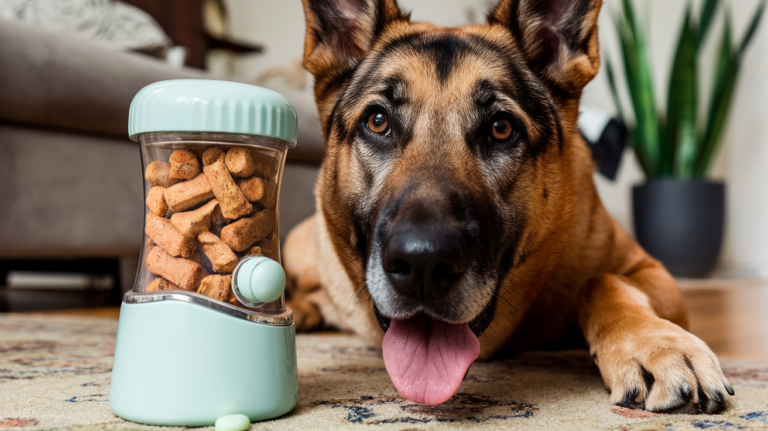
If your German Shepherd could talk, honest truths about loyalty, stress, and affection might surprise you more than expected.
Your German Shepherd knows things. They know when you’re about to leave for work before you even pick up your keys. They know exactly which squeaky toy is hidden under the couch. And they definitely know you snuck them less food than yesterday. But there’s so much more going on in that intelligent brain that you’re probably missing.
These dogs are practically canine scholars, bred for generations to think, problem solve, and work alongside humans. Yet we often miss the subtle (and not so subtle) messages they’re sending us every single day. It’s time to decode what your furry Einstein is really trying to communicate.
We Need a Job (Yes, Really)
Your German Shepherd wasn’t bred to look pretty on Instagram, though they absolutely do. These dogs were created to work, and that drive doesn’t disappear just because they’re living in a suburban home instead of herding sheep in Bavaria. When your GSD destroys your favorite shoes or redesigns your backyard landscaping, they’re not being spiteful. They’re bored out of their minds.
Think about it this way: imagine you’re a brilliant software engineer who gets hired but then just told to sit at an empty desk for eight hours a day. That’s what life feels like for a German Shepherd without mental stimulation. They need tasks, challenges, and purposes that engage both their body and their surprisingly sharp mind.
A German Shepherd without a job will create their own job, and you probably won’t like what they choose.
The solution doesn’t mean you need to enroll in professional sheep herding (though your GSD would absolutely love that). Simple jobs work wonders: carrying the newspaper, fetching your slippers, learning new tricks weekly, or even helping you “sort” laundry by bringing you items. Puzzle toys, scent work, and obedience training all scratch that itch to be useful.
Ways to Give Your GSD Purpose
| Activity Type | Examples | Mental Stimulation Level |
|---|---|---|
| Household Tasks | Fetching items, closing doors, carrying lightweight objects | Medium |
| Training & Tricks | Advanced obedience, agility courses, new command weekly | High |
| Scent Work | Hide and seek with treats, tracking games, nosework classes | Very High |
| Physical Jobs | Backpack wearing on walks, pulling carts, fetch marathons | Medium to High |
Our Loyalty Runs Deeper Than You Think
German Shepherds bond intensely with their families, sometimes to a fault. When your GSD follows you from room to room, bathroom trips included, they’re not being clingy in the annoying sense. They’re hardwired to stay close to their “pack” and protect you. This breed literally cannot help themselves when it comes to devotion.
But here’s what they wish you understood: this intense loyalty means they feel your absence more acutely than other breeds might. Those guilt inducing puppy dog eyes when you leave for work? That’s genuine distress, not manipulation. German Shepherds can develop separation anxiety precisely because they love so deeply and completely.
They’re also incredibly perceptive about your emotional state. Your GSD knows when you’re sad, stressed, or angry, often before you fully realize it yourself. That’s why they suddenly appear at your side during tough moments or rest their head on your lap when you’ve had a bad day. They’re not being needy; they’re trying to comfort you because your wellbeing matters to them on a profound level.
We’re Not Actually Aggressive (Stop Assuming)
Let’s address the elephant in the room: German Shepherds have a reputation problem. Thanks to their use in police and military work, plus far too many poorly trained guard dogs, people assume they’re naturally aggressive. Your GSD wishes you’d stop believing this stereotype and, more importantly, stop creating it through poor socialization.
A properly raised German Shepherd is confident, calm, and discerning. They’re protective, yes, but there’s a universe of difference between protective and aggressive. These dogs are incredibly stable when given proper training and socialization from puppyhood. The problem isn’t the breed; it’s often the humans who either encourage aggression or fail to provide adequate social experiences.
The most dangerous thing about a German Shepherd isn’t their bite; it’s an owner who doesn’t understand the responsibility of raising a powerful, intelligent dog.
What your GSD really wants is for you to socialize them extensively as puppies, continue that socialization throughout their lives, and trust their judgment. They can tell the difference between a genuine threat and the nice neighbor kid who just wants to say hello. When you tense up on the leash or act nervous around other people, your dog picks up on that anxiety and responds accordingly.
Our Intelligence Is Both a Gift and a Curse
German Shepherds consistently rank in the top three most intelligent dog breeds, and your furry friend wants you to know this is a double edged sword. Yes, they can learn a new command in fewer than five repetitions. Yes, they can figure out how to open doors, unlock crates, and outsmart your “dog proof” trash can system.
But this intelligence means they’re also master manipulators when they want to be. They’ve studied you carefully and know exactly which behaviors get which reactions. That innocent face after they’ve done something wrong? Calculated. The perfectly timed whine when you’re eating something delicious? Strategic warfare.
The Smart Dog Challenge
Their intelligence also means they get bored with repetitive training faster than other breeds. Once your German Shepherd has mastered “sit,” drilling it 50 more times isn’t training; it’s torture. They need variety, progression, and challenges that keep their brain engaged. Think of them as the gifted students who act out in class because they finished the assignment in five minutes and have nothing else to do.
They also problem solve in ways that can work against you. If there’s a way to escape the yard, they’ll find it. If there’s a pattern to when treats are given, they’ll memorize and exploit it. Your German Shepherd is basically living with you as a very furry, four legged puzzle solver who’s always three steps ahead.
We Have Sensitive Souls
Here’s something that surprises many GSD owners: beneath that confident, strong exterior beats an incredibly sensitive heart. These dogs take correction seriously, sometimes too seriously. Harsh training methods or excessive yelling can genuinely hurt their feelings and damage your relationship.
Your German Shepherd wants you to know that they respond far better to positive reinforcement than to punishment. They want to please you (it’s practically their life’s mission), so when they understand what you want, they’ll move mountains to deliver. But they shut down emotionally when faced with constant negativity or harsh treatment.
They’re also sensitive to household dynamics. Fighting with your partner? Your GSD notices and stresses about it. Tension in the home? They feel it and often internalize it. These dogs are emotional sponges, absorbing the energy around them and responding to it in ways both subtle and obvious.
Our Exercise Needs Are Non Negotiable
A tired German Shepherd is a good German Shepherd, and your dog desperately wishes you’d take this more seriously. That 15 minute walk around the block twice a day? It’s not even close to enough. These are athletic, energetic dogs who need substantial physical exercise daily, and skimping on this requirement is why so many GSDs develop behavioral problems.
Think of your German Shepherd as an elite athlete who’s been forced into retirement. Their body is designed to run, jump, work, and move for hours at a time. When they don’t get adequate exercise, all that pent up energy has to go somewhere, and it usually goes into destructive behaviors, excessive barking, or hyperactivity that drives everyone crazy.
Expecting a German Shepherd to be calm and well behaved without proper exercise is like expecting a toddler to sit still after three cups of coffee.
The magical number for most adult GSDs is at least 90 minutes to two hours of exercise daily, and we’re not talking about gentle strolls. They need opportunities to run, play fetch until they’re panting, go for bike rides, swim, or engage in dog sports. Mental exercise counts too; a 30 minute training session can be as tiring as a walk.
We’re Not Perfect (And That’s Okay)
Finally, your German Shepherd wants you to know they’re going to mess up sometimes. They’ll have accidents as puppies, chew things they shouldn’t as adolescents, and occasionally make questionable decisions as adults. They’re dogs, not robots, and expecting perfection is unfair to both of you.
What they need from you is patience, consistency, and understanding. They need you to recognize that “bad” behaviors usually stem from unmet needs rather than malice. They need training that’s firm but fair, exercise that’s adequate for their energy level, and mental stimulation that challenges their intelligent mind.
Most of all, they need you to appreciate them for the remarkable animals they are: loyal beyond measure, intelligent beyond belief, and loving beyond words. Your German Shepherd isn’t trying to be difficult. They’re trying to be the best version of themselves while navigating a human world that doesn’t always make sense to them.
So the next time your GSD gives you that penetrating stare, remember: there’s a whole universe of thoughts, feelings, and wishes behind those eyes. Understanding them better isn’t just about having a better behaved dog. It’s about honoring the incredible bond between human and canine, and giving your German Shepherd the life they truly deserve.