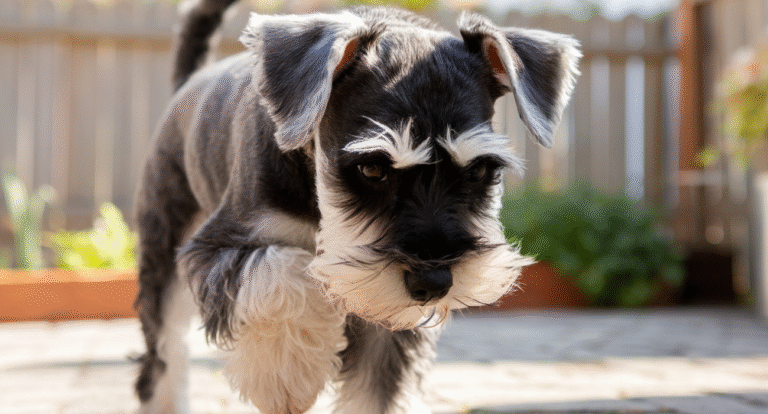
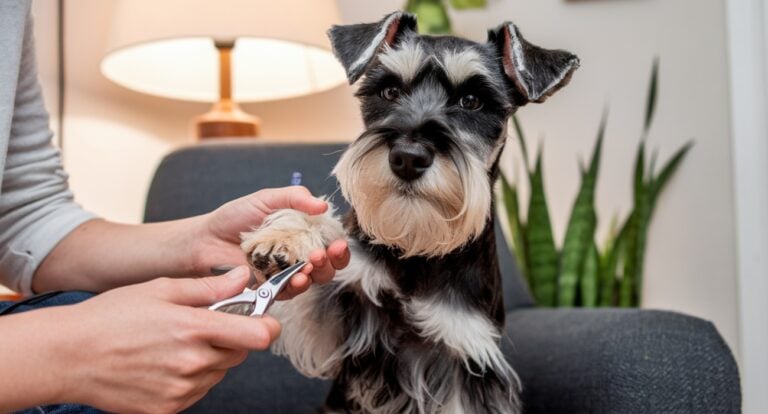
Beard tangles can be frustrating. Use this quick fix to keep your Schnauzer’s face clean and fresh.
Your schnauzer’s beard went from Instagram-worthy to “did you just roll in something?” faster than you can say “treat time.” Welcome to the club! Every schnauzer owner knows this struggle intimately. That distinguished facial hair comes with a price, and that price is constant vigilance.
But before you reach for the scissors or book an expensive grooming session, take a breath. That tangled mess isn’t a lost cause. Whether your pup’s beard is mildly disheveled or looks like it survived a food fight, there’s a quick fix that actually works.
Why Schnauzer Beards Turn Into Disaster Zones
Schnauzer beards are basically designed to collect chaos. The wiry outer coat combined with the softer undercoat creates the perfect texture for trapping everything your dog encounters. Water, food, dirt, grass, mysterious outdoor substances… it all gets caught in there like a net.
The real culprit behind those tangles isn’t just what gets in the beard, though. It’s what happens next. When wet debris dries, it creates little knots. Your dog rubs their face on the carpet (because of course they do), making things worse. Before you know it, those tiny knots have recruited their friends, and you’re dealing with a full-on matted situation.
The schnauzer beard doesn’t just collect debris; it actually weaves it into the hair structure, creating knots that tighten every time your dog moves their mouth or rubs their face.
The texture of schnauzer hair makes them particularly prone to matting. Unlike smooth-coated breeds where stuff just slides off, that signature wiry coat grabs and holds onto everything. It’s what makes them look so distinguished, but it’s also what makes beard maintenance a necessary evil.
The Essential Tools You Actually Need
Forget the fancy gadgets and expensive products that promise miracles. Here’s what actually works for schnauzer beard rescue missions:
| Tool | Why You Need It | Pro Tip |
|---|---|---|
| Slicker Brush | Breaks apart surface tangles without pulling | Use short, gentle strokes following hair growth |
| Metal Comb | Gets deep into the beard to find hidden mats | Start with wide teeth, then move to fine teeth |
| Detangling Spray | Lubricates hair to help knots slide apart | Look for products with silicone or coconut oil |
| Blunt-Tip Scissors | Safely cuts out impossible mats | Always cut parallel to skin, never perpendicular |
The detangling spray is your secret weapon. Seriously. Trying to comb through a dry, tangled beard is like trying to brush barbed wire. A good spray makes everything glide, reduces breakage, and keeps your dog from hating the entire experience.
Don’t skip the metal comb, even if you think the slicker brush is enough. The comb will find mats hiding beneath what looks like smooth hair. It’s like the difference between sweeping your floor and actually mopping; both necessary, serving different purposes.
The Step-by-Step Fast Fix Method
Ready to tackle that beard? Here’s the process that actually works without turning it into an hour-long ordeal.
Start With Assessment
Feel through the entire beard with your fingers to locate the worst tangles. This gives you a battle plan and helps you avoid surprise mats that make your dog jump when you hit them with a brush. Be thorough but gentle; you’re gathering intelligence, not detangling yet.
Apply Your Detangling Spray Generously
Don’t be shy here. You want the beard damp, not soaking, but definitely well-coated. Let it sit for 30 seconds to a minute. This waiting period is crucial because it lets the product actually penetrate the tangles. Use this time to give treats and positive reinforcement.
Work From The Bottom Up
This is where most people go wrong. They start at the skin and drag the brush down, which just pushes tangles into tighter knots. Instead, hold the hair near the skin to prevent pulling, and brush the very ends first. Once the ends are smooth, work slightly higher. Gradually work your way up to the roots.
The golden rule of detangling: always brush from the tips toward the roots, never from roots to tips, unless you enjoy creating tighter knots and an unhappy dog.
Switch To The Metal Comb
Switch to the metal comb once you’ve done a full pass with the slicker brush. Start with the wider teeth and comb through in sections. Pay special attention to the areas right around the mouth and under the chin, where food gets trapped most often. If you hit resistance, don’t force it. Add more spray and use your fingers to gently separate the mat.
Deal With Stubborn Mats Strategically
Some tangles won’t budge no matter how much spray you use. For these, you have options. Try gently pulling the mat apart with your fingers, working from the edges. If that fails, you can use the end of your comb to carefully pick at it. Last resort? Cut it out, but cut with the hair direction (parallel to the body), taking small snips rather than one big chunk.
Making the Fix Stick (Prevention Strategies)
Fixing a tangled beard once is great. Not having to do it again for a while? Even better. Here’s how to keep that beard looking respectable between deep cleaning sessions.
The Two Minute Routine
The daily two-minute routine is your friend. Every evening, do a quick brush-through with your slicker brush. It takes less time than scrolling Instagram and prevents small tangles from becoming big problems. Make it part of your routine, like letting them out before bed.
Wipe After Meals
Revolutionary, right? But seriously, keeping a damp cloth near your dog’s food bowl and giving their beard a quick wipe after eating removes most of the food before it dries and creates mats. It’s the easiest prevention strategy that most people ignore.
Water Bowl Management
Water bowl management matters more than you’d think. Those deep water bowls that submerge the entire beard? They’re working against you. Switch to a narrower bowl or try a water bottle system. Less water in the beard means less opportunity for things to get tangled when it dries.
Prevention isn’t about perfection; it’s about consistency. Two minutes daily beats two hours weekly, every single time.
Sanitary Trim
Consider a sanitary trim around the mouth area. You don’t have to shave the whole beard (gasp!), but keeping the hair slightly shorter right around the mouth opening reduces the amount of hair that dips into food and water. Many groomers will do this as a quick service between full grooming appointments.
Use Conditioner
Condition regularly, even between baths. A leave-in conditioner or beard oil made for dogs (not humans!) keeps the hair more supple and less prone to tangling. Apply it after brushing, focusing on the areas that tangle most. The hair will be smoother, shinier, and significantly less likely to turn into felt.
When the Beard Is Beyond DIY Rescue
Sometimes you look at that beard and know you’re in over your head. Maybe the mats are too close to the skin. Perhaps they’re so extensive that cutting them all out would leave your schnauzer looking patchy and ridiculous. Or possibly your dog has decided that beard grooming is the ultimate betrayal and won’t let you near their face with any tools.
That’s when it’s time to call in the professionals. A good groomer has seen worse (trust me, they have), and they have tools and techniques that make quick work of even disaster-level beards. They can also give you tips specific to your dog’s coat type and behavior.
Watch for signs that a mat has been there too long. Redness underneath, sensitivity when touched, or a bad smell means the skin beneath might be irritated or even infected. That’s definitely a “see the groomer (or vet) now” situation, not a DIY project.
Finding a groomer who understands schnauzers makes a huge difference. Not all groomers are created equal, and schnauzer coats have specific needs. Ask other schnauzer owners for recommendations, or look for groomers who specialize in terrier breeds. A groomer familiar with wire coats will know how to handle that beard properly.
The Real Secret Nobody Tells You
Here’s what experienced schnauzer owners know but rarely tell beginners: the beard will never be perfect unless you’re willing to dedicate serious time to maintenance. And that’s okay! A slightly imperfect beard on a happy dog beats a pristine beard on a stressed dog who hates grooming time.
Set realistic expectations. Your schnauzer is living their best life, investigating the world with their face. That beard is their adventure journal, and it’s going to show evidence of those adventures. The goal isn’t magazine-cover perfection; it’s keeping it clean enough to be healthy and comfortable.
Make grooming time positive. Use treats, praise, and keep sessions short if your dog gets anxious. A dog who tolerates (or even enjoys) beard maintenance is worth more than any fancy product or technique. Build that positive association early, and future you will be grateful.
The tangled beard isn’t a reflection of your worth as a dog parent. It’s just part of schnauzer ownership, like their selective hearing when you call them at the park or their conviction that the mailman is definitely a threat. Embrace the chaos, develop a routine that works for you and your pup, and remember that a slightly scruffy schnauzer is still the most charming creature on four legs.