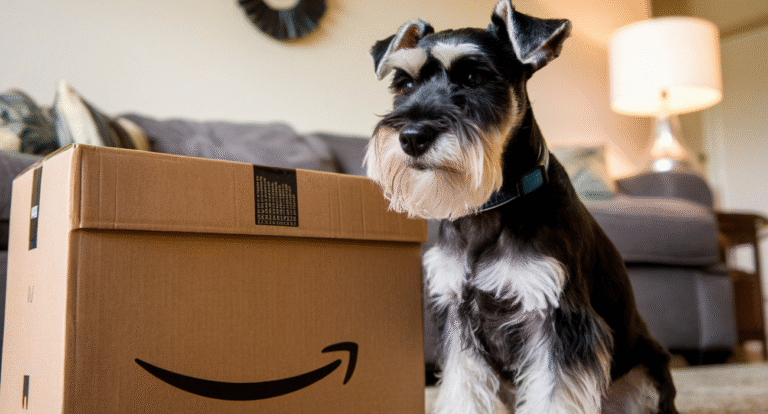
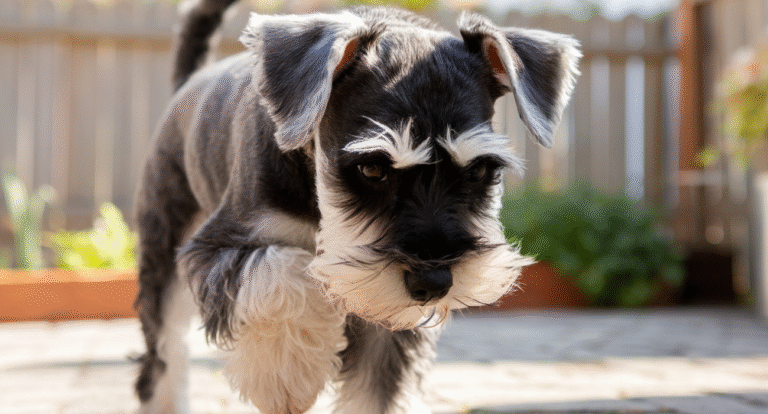
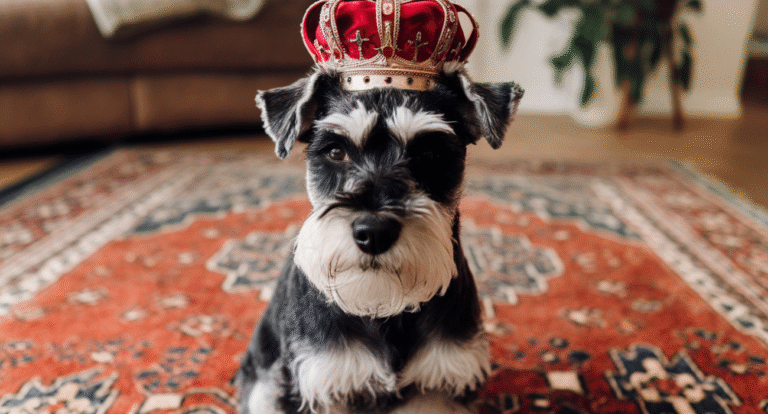
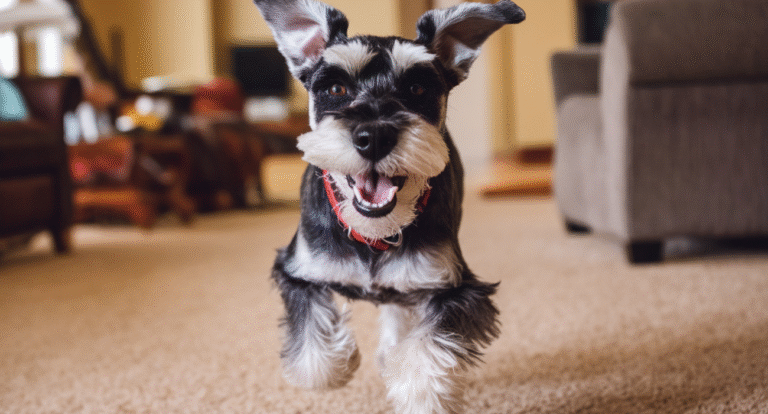
Follow this easy approach to keep your Schnauzer calm, collected, and stress-free when guests arrive for any event.
You’ve cleaned the house, prepared snacks, and you’re actually feeling good about hosting friends tonight. Then the doorbell rings. Your Schnauzer loses their absolute mind, your guests look uncomfortable, and you’re wrestling 20 pounds (or 80, if you’ve got a Giant) of determined dog while trying to smile and say hello. Not exactly the vibe you were going for, right?
The reality is that Schnauzers are hardwired to be alert watchdogs with protective instincts that can go from zero to sixty instantly. But “hardwired” doesn’t mean “unchangeable.” With some strategic preparation, you can help your whiskered friend become the charming host you know they can be.
Understanding Your Schnauzer’s Guest Day Meltdown
Before you can fix the problem, you need to understand what’s actually happening in that furry head. Schnauzers were originally bred as ratters and guard dogs on German farms. This means they’re naturally territorial and take their watchdog duties incredibly seriously. When someone approaches your home, your Schnauzer isn’t being badly behaved in their eyes; they’re literally doing the job their ancestors were bred to do.
Add to this their notorious stubbornness (let’s call it “strong will” to be polite), and you’ve got a recipe for challenging behavior. Your Schnauzer might be barking to alert you, jumping because they’re overstimulated, or even showing signs of anxiety about the disruption to their routine.
The Excitement Factor
Many Schnauzers aren’t being aggressive when guests arrive; they’re just ridiculously excited. These dogs bond intensely with their families, and new people represent both a potential threat and a thrilling new source of attention. Their little brains can’t quite decide whether to protect you or make a new best friend, so they do both at maximum volume.
Territory and Routine Disruption
Schnauzers thrive on routine and consistency. When guests arrive, everything changes: new smells, new sounds, different energy in the house, and strange people sitting in their favorite chair. For a breed that likes to know exactly what’s happening at all times, this can be genuinely stressful.
Pre-Guest Preparation Strategies
The secret to success starts long before your doorbell rings. Think of it like studying for a test: cramming at the last minute rarely works as well as consistent preparation.
Exercise: The Ultimate Game Changer
A tired Schnauzer is a well-behaved Schnauzer. Physical and mental exhaustion works wonders when you need calm behavior.
Take your Schnauzer for a longer walk or play session at least an hour before guests arrive. I’m talking about real exercise here, not just a quick trip around the block. A tired dog has less excess energy to channel into jumping, barking, and general chaos. If your Schnauzer is physically spent, they’re much more likely to settle down when company arrives.
Mental stimulation counts too! A fifteen-minute training session or puzzle toy can tire out that clever brain just as effectively as physical exercise.
Create a Safe Space
Before guests even arrive, set up a comfortable area where your Schnauzer can retreat if things get overwhelming. This might be a crate (if they’re crate trained), a bedroom, or a quiet corner with their bed and favorite toys. Make this space appealing with treats and comfort items.
This isn’t punishment; it’s giving your dog a choice. Some Schnauzers actually prefer having a break from the action once they’ve had their initial greeting time.
Training Techniques That Actually Work
Now for the practical stuff that will transform your Schnauzer’s behavior over time. Remember, these dogs are intelligent but stubborn, so consistency is absolutely critical.
The “Place” Command
Teaching your Schnauzer to go to a specific spot (their bed, a mat, a particular corner) on command is gold for guest situations. Here’s how:
| Training Step | Action | Reward Timing |
|---|---|---|
| Step 1 | Lure your dog to their spot with a treat | Immediately when all four paws are on the spot |
| Step 2 | Add the verbal cue “place” as they move to the spot | When they reach the spot independently |
| Step 3 | Increase duration by delaying the treat | After they stay for 5, 10, then 30 seconds |
| Step 4 | Practice with mild distractions | When they maintain position despite distractions |
| Step 5 | Practice with doorbell sounds and movement | When they hold position during realistic scenarios |
Start practicing this daily, multiple times, in short sessions. Schnauzers get bored easily, so keep it fun and upbeat. Once they’ve mastered “place,” you can use it when guests arrive to give everyone a calmer greeting experience.
The Controlled Greeting Method
Rather than letting your Schnauzer rush the door in a frenzy, teach them to wait for permission to greet. This takes patience, but it’s so worth it. Have a friend or family member act as a practice guest. When they knock or ring the bell:
- Ask your Schnauzer to sit or go to their place
- Wait for calm behavior (even just a moment counts at first)
- Say “okay” or “go greet” and allow them to approach
- If they get too excited, calmly lead them back and reset
Repeat this process until your dog understands that calm behavior = getting to greet guests, while wild behavior = waiting longer. Schnauzers are smart enough to figure this equation out surprisingly quickly.
Desensitization to the Doorbell
For many Schnauzers, the doorbell itself is the trigger that sets off the chaos. You can actually retrain their response to this sound:
Record your doorbell or use a doorbell sound on your phone. Play it at a low volume while doing something fun with your Schnauzer (playing, training, treating). Gradually increase the volume over multiple sessions. The goal is to make the doorbell sound boring or even positive, rather than an alarm bell that signals CODE RED INTRUDER ALERT.
Day-Of Management Tactics
Even with training, you’ll need some practical strategies for when guests actually arrive. These techniques work especially well while you’re still in the training process.
Leash Protocol
Keeping your Schnauzer on a leash during initial greetings gives you control without confrontation. It’s not restrictive; it’s supportive.
Put your Schnauzer’s leash on about fifteen minutes before guests arrive. This gives you a gentle way to manage their movement without having to physically restrain them. You can prevent jumping, guide them to their place, and keep things controlled. Once everyone has settled and your dog has calmed down, you can remove the leash.
Some trainers recommend using a house line (a lightweight leash that stays on while guests are present) for dogs who need extra management. This way, if your Schnauzer gets worked up again, you can quickly and calmly regain control.
The Two-Person Approach
If you have another household member available, use team tactics. One person greets the guests at the door while the other manages the dog. This divided attention makes everything smoother. The dog handler can work on calm behavior and reward good choices while the greeter helps guests get settled without dodging a furry tornado.
Strategic Timing
Consider the timing of your gathering. If you’re hosting dinner, have guests arrive thirty minutes before you plan to serve. This gives your Schnauzer time to investigate, calm down, and settle before the meal begins. Trying to serve food while your dog is still in greeting mode is asking for trouble.
Distraction Tools
Keep some high value treats or a special toy that only comes out when guests are over. A stuffed Kong, a lick mat, or a puzzle toy can keep your Schnauzer happily occupied while guests settle in. Place these distractions in your dog’s “place” area to encourage them to stay there voluntarily.
Managing Different Guest Scenarios
Not all visitors are created equal in your Schnauzer’s eyes, and you’ll need different approaches for different situations.
First Time Visitors vs. Regular Guests
Your Schnauzer will likely be more reactive to people they’ve never met before. For first time guests, keep initial greetings short and controlled. Once your dog has had a chance to sniff and investigate (on your terms), they usually settle down. Regular visitors might get less fanfare over time as your Schnauzer learns they’re part of the accepted pack.
Children and High-Energy Guests
Kids present a special challenge because they move unpredictably and often shriek with excitement, which can amp up your Schnauzer’s arousal level. If children are visiting, be extra vigilant about management. Keep your dog on leash, supervise all interactions closely, and teach kids to be calm and gentle. Show them how to let your Schnauzer come to them rather than chasing or grabbing.
High energy adult guests who love dogs can also inadvertently cause problems by encouraging jumping or getting your Schnauzer riled up. Brief your guests before they arrive if possible: ask them to ignore your dog initially and avoid exciting greetings.
Large Gatherings and Parties
For bigger events, seriously consider whether your Schnauzer needs to be part of the festivities at all. There’s no shame in having your dog spend party time in a quiet bedroom with a special treat and some white noise to mask the commotion. This is particularly important for anxious or reactive dogs who find crowds overwhelming.
If your Schnauzer does join the party, stick to a strict schedule: greet guests, settle time in their place, brief social time, back to their safe space. Don’t expect them to handle hours of stimulation gracefully.
Common Mistakes to Avoid
Even well intentioned Schnauzer parents can accidentally make greeting problems worse. Here’s what not to do:
Yelling or Punishment
Screaming at your barking Schnauzer teaches them exactly nothing except that you also get excited when guests arrive. Punishment after the fact is equally useless because dogs don’t connect consequences to actions that happened even thirty seconds ago. Stay calm, redirect, and reward good choices instead.
Inconsistency
If you practice “place” and controlled greetings all week but then let your Schnauzer mob your best friend on Saturday because “oh, she doesn’t mind,” you’ve just undone your training. Your dog needs crystal clear rules. Either guests get calm greetings all the time, or your Schnauzer will never understand what you want.
Expecting Too Much Too Soon
Schnauzers are smart, but they’re not mind readers, and behavior change takes time. If you expect perfect manners after one training session, you’re setting yourself and your dog up for frustration. Celebrate small improvements and be patient with setbacks.
The Role of Socialization
Proper socialization during puppyhood makes an enormous difference in how adult Schnauzers handle guests. If you have a puppy, expose them to many different people in positive, controlled settings. Let them learn that visitors are normal and not threatening.
Early, positive exposure to various people, places, and situations creates confident adult dogs who take changes in stride rather than treating every visitor like a potential invasion.
For adult dogs who missed early socialization, it’s not too late, but progress will be slower. Work with a professional trainer if your Schnauzer shows fearful or aggressive responses to guests, as these issues need expert guidance.
Working With Professional Help
Sometimes you need backup, and that’s completely okay. A certified professional dog trainer or veterinary behaviorist can be invaluable, especially if your Schnauzer’s behavior includes aggression, extreme anxiety, or if you’re not seeing progress with home training.
Look for trainers who use positive reinforcement methods rather than punishment based approaches. Schnauzers respond beautifully to reward based training but can become stubborn or defensive with harsh corrections.
Breed-Specific Considerations
Different Schnauzer sizes come with slightly different challenges. Miniature Schnauzers are often the most reactive and vocal, packing a big dog attitude into a small body. Standard Schnauzers have serious guarding instincts and need firm, consistent boundaries. Giant Schnauzers are powerful and can be intimidating to guests even when friendly, making control absolutely essential.
All three sizes share the trademark Schnauzer intelligence, stubbornness, and loyalty. Use these traits to your advantage: their intelligence means they can learn complex behaviors, their stubbornness means you need to make good behavior more rewarding than bad, and their loyalty means they genuinely want to please you once they understand what you’re asking.
The Schnauzer-Specific Training Table
| Schnauzer Type | Primary Challenge | Best Management Strategy |
|---|---|---|
| Miniature | Excessive barking and territorial behavior | Early “quiet” command training, consistent place work |
| Standard | Protective instincts and suspicion of strangers | Extensive socialization, controlled introductions |
| Giant | Physical size and strength | Solid obedience foundation, leash management |
Creating Long-Term Success
Transforming your Schnauzer’s guest greeting behavior isn’t a weekend project. It’s an ongoing commitment that requires patience, consistency, and realistic expectations. Some dogs will progress quickly while others need months of steady work.
Keep training sessions short and positive. Practice your commands daily, not just when guests are coming. The more you reinforce calm, polite behavior in everyday life, the more naturally it will appear in exciting situations.
Remember that management and training work together. While you’re building better behaviors through training, use management tools (leashes, safe spaces, exercise) to prevent your Schnauzer from practicing the unwanted behaviors. Every time they successfully mob a guest, that behavior gets reinforced.
Most importantly, adjust your expectations to match your individual dog. Some Schnauzers will become perfect greeters who sit politely while guests enter. Others will always need some management but can learn to be much calmer than they are now. Both outcomes are victories worth celebrating.
Your whiskered companion wants to be a good host; they just need your help figuring out how. With the strategies outlined here, you can transform guest day from a stressful ordeal into a pleasant experience for everyone involved (including your Schnauzer). Start with the basics, be consistent, and watch as your little beard face learns that calm behavior brings the best rewards.