Pacing, whining, or staring at walls after dark? These strange nighttime habits actually reveal a lot about your German Shepherd’s needs.
Your German Shepherd is acting weird again. It’s 2 AM, and instead of sleeping peacefully like a normal dog, they’re doing that thing where they pace around the bedroom, circle three times, and flop down with an exaggerated sigh. Sound familiar?
German Shepherds are magnificent, intelligent creatures, but their nighttime antics can leave even experienced dog owners scratching their heads. These quirky behaviors aren’t random, though. There’s actually fascinating science and instinct behind every strange sleep ritual your furry friend performs after the sun goes down.
1. The Midnight Patrol: Constant Room Checks
Your German Shepherd isn’t paranoid; they’re just doing their job. Even in the safety of your home, these dogs have an overwhelming instinct to protect their pack, and nighttime is when they really kick it into high gear.
You might notice your GSD getting up multiple times throughout the night to walk the perimeter of your home or check on family members in different rooms. This behavior stems from their heritage as herding and guarding dogs. In their minds, they’re the night watchman, and every creak, rustle, or unfamiliar sound needs investigation.
This patrol behavior intensifies during certain periods. Puppies and adolescent German Shepherds often patrol more frequently as they’re still learning the normal sounds and rhythms of the household. Senior dogs might increase their nighttime rounds due to age-related anxiety or cognitive changes.
Your German Shepherd’s nighttime patrols aren’t disrupting your sleep—they’re actively working to ensure you CAN sleep safely. It’s protection mode, not insomnia.
The intensity of this behavior varies from dog to dog. Some GSDs will do a quick check and return to bed, while others perform elaborate rounds that would make a security guard jealous. Factors like breeding lines, individual temperament, and past experiences all play a role.
| Patrol Behavior Type | Frequency | What It Means |
|---|---|---|
| Quick Check | 1-2 times per night | Normal awareness, low anxiety |
| Regular Rounds | 3-5 times per night | Strong guarding instinct, moderate vigilance |
| Constant Monitoring | 6+ times per night | High anxiety or perceived threat |
2. The Bed Archeologist: Digging and Circling Before Sleep
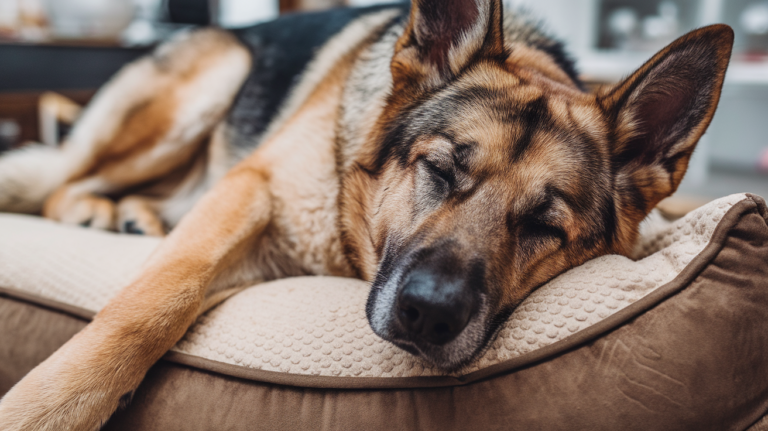
Watch a German Shepherd prepare for bed and you’ll witness an ancient ritual that goes back thousands of years. The digging, pawing, circling, and rearranging isn’t your dog being picky; it’s hardwired instinct talking.
In the wild, canines would dig shallow depressions in grass or soil to create a comfortable sleeping spot. This served multiple purposes: removing rocks and debris, creating a slight depression for temperature regulation, and even marking territory. Your German Shepherd doesn’t know they’re sleeping on a $200 orthopedic dog bed instead of the forest floor.
The circling behavior is equally instinctual. Dogs circle to trample down tall grass, check for threats from all angles, and position themselves strategically. Even though the only threat in your bedroom is that pile of laundry in the corner, your GSD’s brain hasn’t caught up to modern domestication.
Some German Shepherds take this to entertaining extremes. They’ll paw at blankets for five minutes straight, circle until they’re dizzy, flop down dramatically, then stand up and start the whole process over again. It’s their version of fluffing pillows and adjusting the thermostat.
Temperature regulation also plays a role. By digging and circling, dogs create a spot that’s warmer in winter (by nestling into a depression) or cooler in summer (by exposing cooler soil beneath). Your GSD might dig more vigorously on particularly hot or cold nights.
3. The Sleep Talker: Vocalizing During Dreams
If you’ve ever been startled awake by your German Shepherd barking, whimpering, or making bizarre noises while completely asleep, congratulations! You’ve witnessed doggy dreaming in action.
German Shepherds are particularly vocal dreamers. These intelligent, active dogs have complex dream lives that often involve barking at imaginary threats, whining during chase sequences, or making satisfied groans during dream meals. Their high intelligence and active daytime lives translate to vivid, action-packed dreams.
Research has shown that dogs experience REM (Rapid Eye Movement) sleep just like humans, and this is when dreaming occurs. During REM sleep, a dog’s brain processes the day’s experiences, consolidating memories and working through emotions. For a breed as mentally active as German Shepherds, this means plenty of dream content.
You might notice your GSD’s paws twitching as they “run” in their dreams, their lips quivering as they dream-bark, or their ears moving as they track imaginary sounds. Some dogs even open their eyes slightly during deep sleep, which can be startling if you’re not expecting it.
Those little barks and whimpers during sleep? Your German Shepherd is probably dreaming about protecting you, chasing squirrels, or reliving that amazing game of fetch from earlier. Their dream job is very serious business.
Younger dogs and puppies tend to dream more frequently than older dogs, spending a larger percentage of their sleep time in REM. If your German Shepherd puppy seems to be having constant dream adventures, that’s completely normal for their developmental stage.
4. The Position Switcher: Constant Sleep Pose Changes
German Shepherds are the yoga masters of the dog world when it comes to sleeping positions. Throughout a single night, they might cycle through five or more completely different poses, each serving a specific purpose.
The classic “curled up” position conserves body heat and protects vital organs, a holdover from wild ancestors who needed to stay warm and safe. The “superman” pose (stretched out flat with legs extended) helps them cool down and allows for quick springing into action if needed. The utterly ridiculous “upside down with legs in the air” position? That’s maximum cooling and a sign of complete trust and relaxation.
German Shepherds change positions based on several factors:
- Temperature fluctuations throughout the night
- Comfort levels and pressure points
- Sleep cycle stages (deeper sleep versus light sleep)
- Digestive processes requiring position adjustments
- Anxiety or alertness levels
Some positions also relate to joint health. German Shepherds are prone to hip dysplasia and other joint issues, so they instinctively shift positions to relieve pressure on uncomfortable joints. If you notice your GSD changing positions more frequently than usual, it might be worth a vet check to rule out pain issues.
The “sprawl” is particularly popular with German Shepherds. They’ll take up an absolutely unreasonable amount of space, often pushing you to the edge of your own bed. This isn’t rudeness; it’s a combination of needing to stretch their long legs and wanting to maintain physical contact with their pack.
5. The Phantom Chaser: Random Bursts of Nighttime Energy
It’s 10 PM. Everything is calm. Then suddenly, your German Shepherd launches off their bed like they’ve been shot from a cannon, races around the house at full speed, and collapses back down as if nothing happened. Welcome to the infamous “zoomies.”
These random energy bursts, technically called Frenetic Random Activity Periods (FRAPs), are completely normal, especially in younger German Shepherds. These dogs were bred for intense physical and mental work, and even a long day of exercise might not fully deplete their energy reserves.
Nighttime zoomies often happen because your GSD has been resting for a while and suddenly feels a surge of pent-up energy that needs immediate release. It’s like a pressure valve opening. The behavior is more common in dogs who didn’t get sufficient exercise during the day or who have highly active temperaments.
Sometimes these bursts are triggered by specific stimuli: a sudden noise outside, a family member moving through the house, or even just an exciting dream they just woke up from. German Shepherds have such strong protective instincts that even minor triggers can send them into brief action mode.
That midnight sprint session isn’t your dog going crazy. It’s their high-performance engine burning off excess fuel. German Shepherds were built to work long hours, and sometimes that energy finds an outlet at inconvenient times.
Interestingly, the zoomies often include what trainers call “self-rewarding” behaviors. Your dog runs, feels good, releases endorphins, and reinforces the behavior. It’s a natural stress reliever and mood booster rolled into one chaotic package.
Most German Shepherds grow out of frequent nighttime zoomies as they mature, though some maintain occasional bursts throughout their lives. Ensuring adequate daytime exercise, mental stimulation, and a consistent bedtime routine can help minimize these midnight marathons (but probably won’t eliminate them entirely, because, well, German Shepherds).