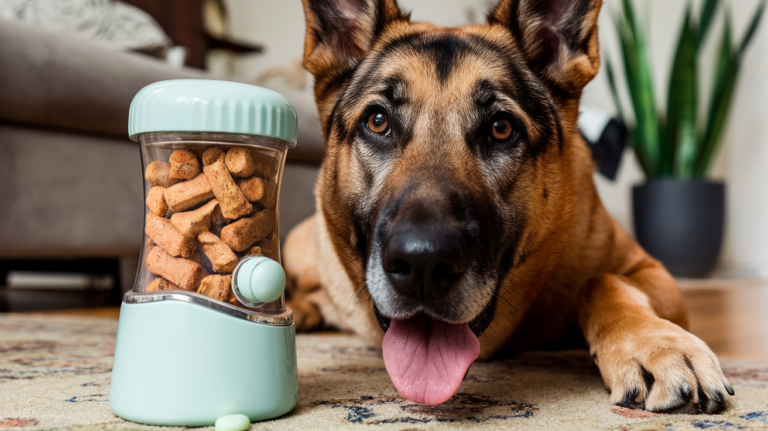
Some table scraps are actually beneficial. See which human foods safely support your German Shepherd’s health and energy.
Your German Shepherd is giving you those irresistible puppy eyes while you’re chopping vegetables for dinner. You know the look. The one that says, “Surely, you’re preparing that carrot for me, right?” Before you shoo them away, here’s some fantastic news: many foods sitting in your fridge right now are actually amazing for your furry friend.
We’ve all heard the warnings about chocolate and grapes, but what about the good stuff? Turns out, your kitchen is basically a health food store for German Shepherds. Let’s dive into the surprising human foods that can boost your dog’s nutrition, save you money on treats, and make those big brown eyes even happier.
The Approved List: 10 Kitchen Staples Your German Shepherd Will Love
1. Sweet Potatoes: The Fiber Fantastic
Sweet potatoes are like nature’s multivitamin for German Shepherds. Packed with fiber, vitamins A, C, and B6, plus manganese and potassium, these orange powerhouses support digestive health and provide steady energy for your active pup.
Cook them plain (no butter, no marshmallows, no cinnamon sugar) and serve them mashed, cubed, or even dehydrated as chewy treats. The complex carbohydrates help maintain stable blood sugar levels, which is particularly important for larger breeds prone to energy crashes. Plus, the beta carotene supports eye health, keeping those watchful shepherd eyes sharp.
Sweet potatoes deliver the nutritional punch your German Shepherd needs without any of the processed ingredients found in commercial treats. Real food, real benefits.
2. Plain Greek Yogurt: Probiotic Perfection
Your German Shepherd’s gut health directly impacts their immune system, coat quality, and overall wellbeing. Enter Greek yogurt, the probiotic champion that supports healthy digestion and provides high quality protein.
Stick with plain, unsweetened varieties (absolutely no artificial sweeteners like xylitol, which is toxic to dogs). The live cultures help balance gut bacteria, which can be especially helpful if your dog has taken antibiotics or experienced digestive upset. It’s also loaded with calcium for strong bones and teeth.
A few spoonfuls mixed into their regular food or frozen into cubes for summer treats works beautifully. Many German Shepherds go absolutely bonkers for yogurt, making it an excellent training reward or medication disguise.
3. Blueberries: Antioxidant All Stars
These tiny blue spheres pack an enormous nutritional punch. Blueberries are loaded with antioxidants that combat free radicals, potentially reducing inflammation and supporting brain health as your German Shepherd ages.
They’re also low in calories and high in fiber and vitamin C. The phytochemicals in blueberries have been studied for their potential to improve cognitive function in older dogs, making them brain food in the most literal sense. Fresh or frozen both work perfectly.
Use them as training treats (they’re the perfect size!), mix them into meals, or stuff them into puzzle toys for mental stimulation. Your dog gets a tasty snack; their cells get protective compounds. Everybody wins.
4. Pumpkin: The Digestive Regulator
Pumpkin is famous in the dog world for one specific reason: it works magic on digestive issues. Whether your German Shepherd has diarrhea or constipation, plain canned pumpkin (not pie filling!) can help normalize their system.
The high fiber content adds bulk to stool and absorbs excess water, while the nutrients support overall digestive tract health. It’s also rich in vitamin A, supporting vision, growth, and immune function. Many veterinarians recommend keeping a can in your pantry for digestive emergencies.
Just a tablespoon or two mixed into regular food can make a significant difference. The mild, slightly sweet flavor appeals to most dogs, and the bright orange color makes it easy to tell how much you’ve added to their bowl.
| Nutrient | Benefit for German Shepherds | Serving Suggestion |
|---|---|---|
| Fiber | Digestive regulation, weight management | 1 to 4 tablespoons depending on dog size |
| Vitamin A | Eye health, immune support | Mix with regular food |
| Potassium | Muscle and nerve function | Especially beneficial for active dogs |
5. Carrots: Crunchy Dental Cleaners
Carrots are the ultimate low calorie crunch. Raw carrots provide a satisfying texture that many German Shepherds love to chomp, and the mechanical action helps scrape away plaque buildup on teeth. They’re basically nature’s toothbrush.
Beyond dental benefits, carrots deliver vitamin A for eye health, vitamin K for blood clotting, and fiber for digestion. They’re over 85% water, making them hydrating snacks for warm days. Baby carrots are convenient, but full size carrots cut into sticks work great too.
Freeze them for teething puppies or summer cooling treats. Some dogs prefer them cooked and soft; others love the raw crunch. Either way provides nutritional benefits, so let your dog’s preference guide you.
6. Eggs: Protein Powerhouses
Eggs are complete protein sources, meaning they contain all essential amino acids your German Shepherd needs. They’re also packed with fatty acids, vitamins, and minerals that support skin, coat, and muscle health.
Scrambled, hard boiled, or poached (no butter, oil, or seasonings), eggs make fantastic meal toppers or standalone snacks. The biotin in eggs specifically supports coat health, which can help manage the legendary German Shepherd shedding situation.
A whole egg contains approximately 6 grams of protein plus vitamin D, vitamin B12, riboflavin, and selenium. It’s essentially a perfectly packaged nutritional supplement that costs pennies.
Some people worry about feeding raw eggs due to avidin, which can interfere with biotin absorption, but cooked eggs eliminate this concern entirely. Plus, most dogs find cooked eggs absolutely delicious.
7. Green Beans: The Volume Filler
Green beans are perfect for German Shepherds who always seem hungry or need to lose a few pounds. They’re incredibly low in calories but high in fiber, creating a feeling of fullness without contributing to weight gain.
Fresh, frozen, or canned (look for no salt added versions) all work well. Steam them, serve them raw as crunchy treats, or mix them into regular food to add volume without adding significant calories. The vitamins K, C, and manganese provide additional health benefits.
Many veterinarians recommend the “green bean diet” for overweight dogs: replace up to half their regular food with green beans to reduce calorie intake while maintaining portion size. Your German Shepherd still feels like they’re getting a full meal.
8. Salmon: Omega 3 Excellence
Cooked, boneless salmon (never raw due to parasite risks) provides exceptional omega 3 fatty acids that reduce inflammation, support joint health, and promote a lustrous coat. German Shepherds are prone to hip dysplasia and arthritis, making omega 3s particularly valuable.
The protein content supports muscle maintenance, while the B vitamins aid metabolism and energy production. Just ensure all bones are removed, cook it thoroughly, and keep portions moderate since salmon is rich and calorie dense.
A small piece crumbled over dinner once or twice weekly provides benefits without overloading their system. Many dogs go absolutely crazy for fish, making it an ultra high value reward for training challenging behaviors.
9. Apples: Sweet and Crunchy
Apples (with seeds and core removed, as these contain trace amounts of cyanide) offer a sweet, crunchy snack that most German Shepherds adore. They’re full of fiber, vitamin C, and vitamin A, plus they help freshen breath naturally.
Slice them into wedges, dice them into training treat size pieces, or stuff them into food puzzles. The crisp texture provides satisfying crunch while the natural sweetness appeals to dogs without any added sugars or artificial flavors.
Frozen apple slices make excellent summer treats, and the pectin in apples may support digestive health. Just remember moderation; too much of any fruit can cause stomach upset or loose stools.
10. Chicken: The Classic Protein
Plain, cooked chicken (no skin, bones, or seasonings) is perhaps the most universally loved human food among dogs. It’s lean protein that supports muscle development and maintenance, which is crucial for athletic German Shepherds.
Boiled or baked chicken breast cut into small pieces works beautifully as training treats, meal toppers, or the base of a bland diet if your dog has stomach issues. It’s easily digestible and rarely causes allergies, making it a safe choice for most dogs.
The amino acids support everything from immune function to tissue repair. Keep cooked chicken portions in your freezer for emergencies, training sessions, or those days when you want to make your German Shepherd feel extra special.
Real, whole food ingredients like plain chicken provide nutrition that’s bioavailable and recognizable to your dog’s digestive system. No mystery meat, no fillers, just pure protein.
Important Reminders
Always introduce new foods gradually, watching for any signs of digestive upset or allergic reactions. What works beautifully for one German Shepherd might not suit another. Portions matter too; treats and extras should make up no more than 10% of your dog’s daily caloric intake.
When in doubt, consult your veterinarian, especially if your German Shepherd has existing health conditions, food sensitivities, or is on a special diet. These human foods can be wonderful additions to a balanced diet, but they’re supplements, not replacements for complete and balanced dog food.
Your German Shepherd trusts you to make the best nutritional choices for them. Armed with this knowledge, those pleading eyes at dinner time might just be onto something after all.