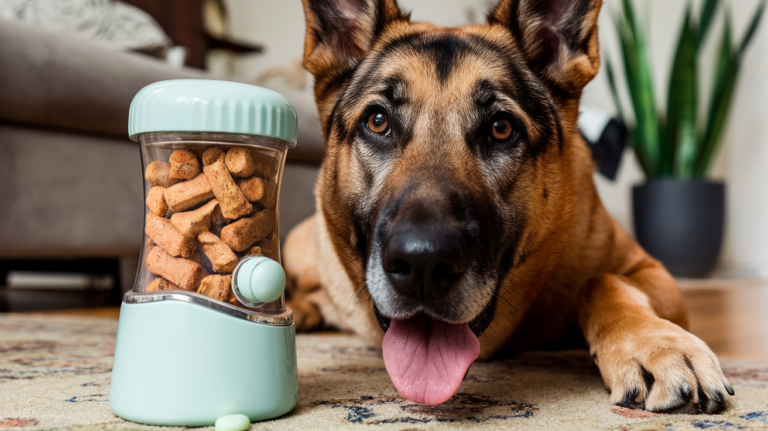
One powerful diet change could transform energy, digestion, and coat health. See why owners are calling this a total game changer.
Your German Shepherd bounds across the yard with the energy of a puppy, their coat gleaming in the sunlight, muscles rippling beneath healthy skin. They haven’t had a digestive upset in months, and your vet actually complimented you on their condition at the last checkup. Sound too good to be true?
This isn’t fantasy. It’s what happens when you feed your German Shepherd the way nature intended. One dietary shift is revolutionizing how we think about canine nutrition, and the results are so dramatic that even skeptical dog owners are becoming believers after just a few weeks.
What Is a Raw Food Diet for Dogs?
A raw food diet (often called BARF, which stands for Biologically Appropriate Raw Food or Bones And Raw Food) is exactly what it sounds like: feeding your German Shepherd uncooked, whole food ingredients that mirror what their wild ancestors consumed. We’re talking raw meat, meaty bones, organs, and some vegetables, all served in their natural state.
Before you recoil at the thought, consider this: dogs have been eating raw food for thousands of years. Commercial kibble has only existed since the 1950s. Your German Shepherd’s digestive system is designed for raw food, with highly acidic stomach contents that easily break down raw meat and destroy harmful bacteria that would make humans sick.
The raw diet isn’t about throwing your dog a steak and calling it a day. It’s a carefully balanced approach that provides complete nutrition through variety and whole food ingredients. Think of it as the difference between eating fresh vegetables and taking a multivitamin. Both might have similar nutrients on paper, but your body knows the difference.
The German Shepherd Connection: Why This Breed Benefits Most
German Shepherds weren’t bred to eat processed food. These working dogs were developed in Germany in the late 1800s to herd sheep and perform demanding physical tasks. They needed nutrient dense fuel that could support their muscular builds, sharp minds, and endless energy.
Modern German Shepherds inherit those same biological needs, yet most are fed highly processed kibble that bears little resemblance to real food. The result? This breed has become prone to a laundry list of health issues:
- Chronic digestive problems and sensitive stomachs
- Hip and elbow dysplasia
- Skin allergies and hot spots
- Bloat (a potentially fatal condition)
- Pancreatic insufficiency
- Food sensitivities
Many of these conditions are either caused or exacerbated by inappropriate nutrition. When you switch a German Shepherd to raw food, you’re not just changing their diet. You’re giving their body the tools it needs to function properly.
The Science Behind Raw Feeding
Let’s get into the biology for a moment. Dogs are classified as carnivores with omnivorous adaptations, meaning their bodies are optimized for meat consumption but can utilize some plant materials. Their short digestive tracts, powerful stomach acid (pH of 1 to 2), and specialized enzymes are all designed to process raw animal protein and fat.
When you feed processed kibble, you’re asking your German Shepherd’s body to work against its natural design, forcing it to extract nutrition from cooked, extruded grains and meat meals instead of fresh, bioavailable whole foods.
Raw food provides nutrients in their most natural, easily digestible form. The enzymes naturally present in raw meat aid digestion. The moisture content (about 70% in raw food versus 10% in kibble) supports kidney and urinary health. The natural teeth cleaning action of chewing raw meaty bones promotes dental health without the need for processed dental chews.
Research has shown that dogs on raw diets have different gut microbiomes compared to kibble fed dogs, with more diverse bacterial populations that support overall health and immunity.
Components of a Balanced Raw Diet
| Component | Percentage | Examples | Purpose |
|---|---|---|---|
| Muscle Meat | 50-60% | Beef, chicken, turkey, lamb, fish | Primary protein and fat source |
| Raw Meaty Bones | 10-15% | Chicken necks, wings, turkey necks, beef ribs | Calcium, phosphorus, teeth cleaning |
| Organ Meat | 10-15% | Liver, kidney, heart, spleen | Vitamins, minerals, essential nutrients |
| Vegetables & Fruits | 5-10% | Leafy greens, carrots, berries, pumpkin | Fiber, antioxidants, phytonutrients |
| Supplements | As needed | Fish oil, kelp, vitamin E | Fill nutritional gaps |
The key word here is balance. You don’t need to achieve perfect ratios at every meal, but over the course of a week, your German Shepherd should receive all these components in appropriate proportions.
The Transformation You Can Expect
When German Shepherd owners make the switch to raw, they report changes that seem almost unbelievable. Within the first few weeks, you might notice improved energy levels and more formed, smaller stools (because your dog is actually digesting and using more of their food instead of pooping most of it out).
By the second month, physical changes become obvious. Coats become shinier and softer. Skin issues often clear up. That persistent “doggy odor” many German Shepherds have? It diminishes or disappears entirely because they’re not constantly trying to process inflammatory ingredients.
The long term benefits are even more impressive: many raw fed German Shepherds maintain healthy weights effortlessly, experience fewer digestive upsets, have cleaner teeth, and show improved joint health as they age.
Owners frequently report that their dogs seem mentally sharper and more engaged. This makes sense when you consider that proper nutrition affects brain function just as much as it affects physical health. A German Shepherd’s natural intelligence and trainability can shine even brighter when they’re properly nourished.
Addressing the Concerns and Myths
“But what about bacteria?” This is the number one concern, and it’s understandable. However, your dog’s digestive system is fundamentally different from yours. That highly acidic stomach environment kills bacteria like Salmonella and E. coli that might be present on raw meat. Dogs have been eating raw meat (including carrion) for millennia without issue.
That said, you need to practice safe handling. Treat raw dog food the same way you’d treat raw meat you’re preparing for yourself: wash your hands, clean surfaces, and don’t let it sit at room temperature for extended periods.
“Isn’t it expensive?” It can be, but it doesn’t have to be. Many raw feeders spend about the same or only slightly more than premium kibble. Buying in bulk, sourcing from local farms or ethnic markets, and utilizing cheaper cuts and whole prey animals can make raw feeding affordable. Plus, consider what you might save in vet bills over your dog’s lifetime.
“What about nutritional balance?” This is a legitimate concern, which is why education is crucial. Many people start with commercial raw food (either frozen or freeze dried) that’s already balanced, then transition to preparing their own once they understand the principles. There are also numerous resources, calculators, and communities dedicated to helping people formulate balanced raw diets.
How to Transition Your German Shepherd to Raw
Never switch suddenly. Your German Shepherd’s digestive system needs time to adjust, even though it’s designed for raw food. Start by fasting your dog for 12 to 24 hours (adults only; puppies should not be fasted). This allows their system to empty out.
Begin with a single protein source, typically something bland like chicken. Feed small amounts for the first few days, gradually increasing portion size as your dog adjusts. Most German Shepherds should eat about 2 to 3% of their ideal body weight daily, divided into two meals.
Once they’re handling chicken well (usually after a week or two), you can slowly introduce other proteins, organs, and bones. Add one new ingredient at a time so you can identify any sensitivities. The entire transition typically takes about a month, though some dogs adjust more quickly.
Puppies, Seniors, and Special Considerations
German Shepherd puppies can absolutely thrive on raw food, but their needs are different. Puppies require careful calcium to phosphorus ratios to support proper bone development without causing growth issues. Many breeders raise their puppies on raw from weaning, producing incredibly healthy dogs.
Senior German Shepherds often experience a renaissance on raw food. Arthritic dogs may move more comfortably due to reduced inflammation. Picky elderly dogs often rediscover their appetites when presented with fresh, aromatic food instead of boring kibble.
Dogs with specific health conditions may need modifications. German Shepherds with pancreatic insufficiency, for instance, might do better with lightly cooked food initially. Always work with a vet who understands raw feeding, particularly if your dog has existing health issues.
Beyond the Bowl: The Lifestyle Impact
Switching to raw often changes your entire relationship with your dog’s health. You become more aware of what goes into their body because you’re actively involved in their nutrition. You start reading labels on treats and supplements with the same scrutiny you apply to their main meals.
Many raw feeders report feeling more connected to their dogs through the feeding process. There’s something primal and satisfying about providing real food, watching your German Shepherd enjoy their meal with genuine enthusiasm (not just tolerance), and seeing them thrive as a result.
You’ll become part of a community of people who’ve chosen to take their dogs’ health into their own hands, sharing recipes, sourcing tips, and celebrating the transformations they witness in their beloved companions.
The time investment is real. Raw feeding requires planning, preparation, and freezer space. But for most people, seeing their German Shepherd healthy, happy, and full of life makes every bit of effort worthwhile. Your dog gives you unconditional love and loyalty. Feeding them properly is simply returning the favor.