Think you know everything about Miniature Schnauzers? Discover surprising facts that even longtime fans might have missed.
Miniature Schnauzers are everywhere these days, ranking consistently among America’s most popular breeds. You’ve definitely seen them: those small, sturdy dogs with the iconic beard and eyebrows that make them look perpetually wise (or slightly judgmental). But popularity doesn’t equal understanding, and there’s a treasure trove of fascinating facts about these dogs that rarely make it into casual conversation.
Prepare to see Miniature Schnauzers in a completely new light. From their surprising ratting past to their unexpected genetic makeup, these dogs are walking contradiction machines wrapped in wiry coats.
1. They’re Actually a Designer Breed (Before It Was Cool)
Miniature Schnauzers weren’t created by accident or natural evolution. German breeders in the late 19th century intentionally mixed Standard Schnauzers with smaller breeds like Affenpinschers and possibly Miniature Pinschers to create a compact farm dog. This makes them one of the original “designer dogs,” created decades before anyone was mixing Poodles with everything under the sun.
The goal? Germans wanted a smaller version of the Standard Schnauzer that could hunt rats in barns and homes while still maintaining that classic Schnauzer temperament. They succeeded spectacularly. The breed was officially recognized in Germany in 1899, making them over 125 years old as a distinct breed.
The Miniature Schnauzer represents one of the earliest examples of purposeful crossbreeding to create a new breed with specific working abilities, predating modern designer dog trends by more than a century.
2. Their Facial Hair Isn’t Just for Show
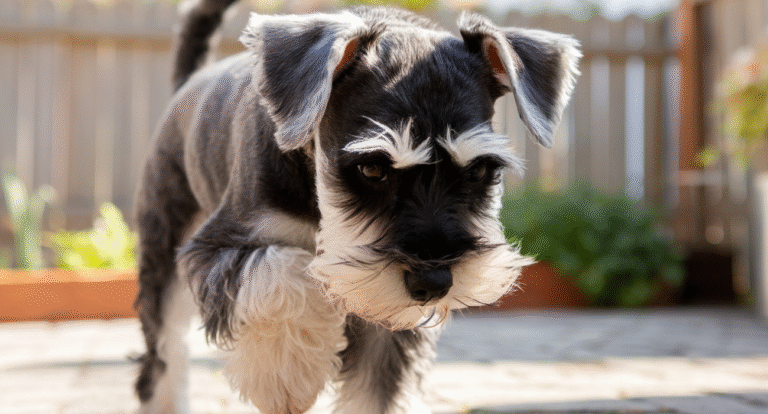
Those bushy eyebrows and magnificent beard aren’t purely aesthetic choices. Mini Schnauzers were bred as ratters, and that distinctive facial furnishing served a practical purpose: protection. When these fearless little dogs dove into holes and corners to catch vermin, their thick facial hair helped shield their eyes and face from scratches, bites, and debris.
The wiry outer coat and softer undercoat combination also provided protection from rat bites while allowing the dogs to move freely. Today, that coat requires regular grooming, but it’s actually a testament to their working dog heritage. Show dogs maintain this look through hand stripping, while pet owners often opt for clipping.
3. They’re Genetically Distinct from Standard and Giant Schnauzers
Here’s where things get interesting. Despite sharing a name and similar appearance, Miniature Schnauzers are genetically quite different from their larger relatives. While Standard and Giant Schnauzers belong to the Working Group in dog classifications, Miniature Schnauzers are classified in the Terrier Group (at least in the United States and Canada).
This isn’t just bureaucratic splitting of hairs. The introduction of those terrier breeds during the Miniature’s development gave them distinct behavioral traits, health profiles, and genetic markers that set them apart. They’re more accurately described as cousins rather than smaller versions of the same dog.
| Schnauzer Type | Weight Range | AKC Group | Primary Original Purpose |
|---|---|---|---|
| Miniature | 11-20 lbs | Terrier | Ratting, Farm Companionship |
| Standard | 30-50 lbs | Working | Guard Dog, Driving Cattle |
| Giant | 55-85 lbs | Working | Livestock Guarding, Draft Work |
4. They Have One of the Longest Lifespans for Dogs
Want a dog that’ll be around for a good long while? Miniature Schnauzers typically live between 12 to 15 years, with many reaching their late teens. This exceptional longevity is partly due to their size (smaller dogs generally live longer) and their relatively robust health compared to many purebreds.
Several factors contribute to their impressive lifespan. They’re less prone to the joint problems that plague larger breeds, and responsible breeding has helped reduce many genetic health issues. Of course, individual health varies, but with proper care, regular vet visits, and a good diet, your Mini Schnauzer could easily be part of your family for a decade and a half or more.
5. They’re Surprisingly Athletic and Agile
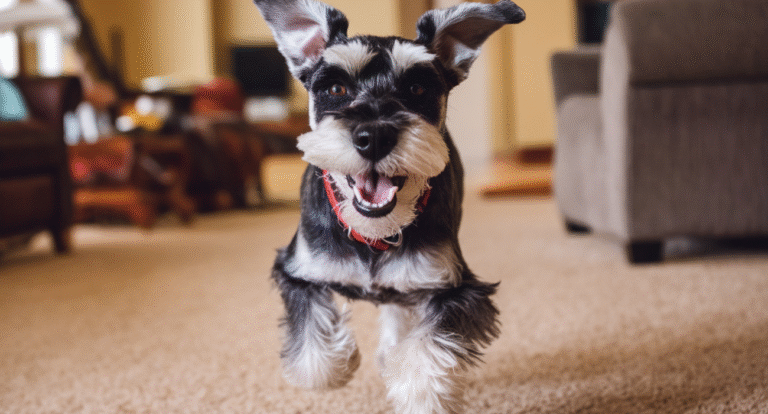
Don’t let their small stature fool you into thinking Miniature Schnauzers are lap dogs. These compact athletes love to move and excel in dog sports like agility, obedience, and rally. They can jump surprisingly high, run with impressive speed for their size, and have the stamina to keep going long after you’d expect them to tire.
This athleticism is a direct result of their working dog heritage. Rats are fast, unpredictable prey, so Miniature Schnauzers needed quick reflexes and serious agility to be effective ratters. Modern Mini Schnauzers have retained these physical capabilities, which means they need regular exercise and mental stimulation to stay happy and healthy. A bored Mini Schnauzer can become a destructive Mini Schnauzer.
6. Their Coat Comes in More Colors Than You Think
Most people picture Miniature Schnauzers in salt and pepper (gray) or solid black, and those are indeed the most common colors. However, the breed actually comes in several color variations, including black and silver and, controversially, pure white. The white variety isn’t recognized by all kennel clubs as an official color, which has created interesting debates in the breeding community.
Some breeders also produce “parti-colored” Mini Schnauzers with white patches, though these aren’t accepted in traditional show rings. The genetics behind coat color in this breed are fascinating, involving multiple genes that interact in complex ways. Salt and pepper coloring, for instance, is created by banding on individual hairs rather than solid pigmentation.
7. They’re Among the Most Trainable Small Breeds
Intelligence meets eagerness to please in the Miniature Schnauzer, creating a highly trainable package. They consistently rank in the top tier of trainability among small breeds, often learning new commands in just a few repetitions. This intelligence is a double-edged sword, though: smart dogs can also be manipulative and will absolutely test boundaries if given the chance.
Mini Schnauzers possess the rare combination of intelligence, focus, and motivation that makes them exceptionally trainable, but this same intelligence means they require consistent boundaries and mental challenges to prevent unwanted problem-solving behaviors.
Their terrier heritage gives them a touch of stubbornness, but it’s usually manageable with positive reinforcement training. They respond particularly well to food rewards and praise, making them excellent candidates for obedience training, trick training, and even more specialized work like therapy dog certification.
8. They Have Remarkably Low Shedding
Looking for a dog that won’t cover your furniture in hair? Miniature Schnauzers are often described as “hypoallergenic” (though no dog is truly 100% hypoallergenic). Their double coat with wiry outer hair sheds minimally compared to most breeds, making them a favorite choice for people with mild dog allergies or those who simply prefer a cleaner home.
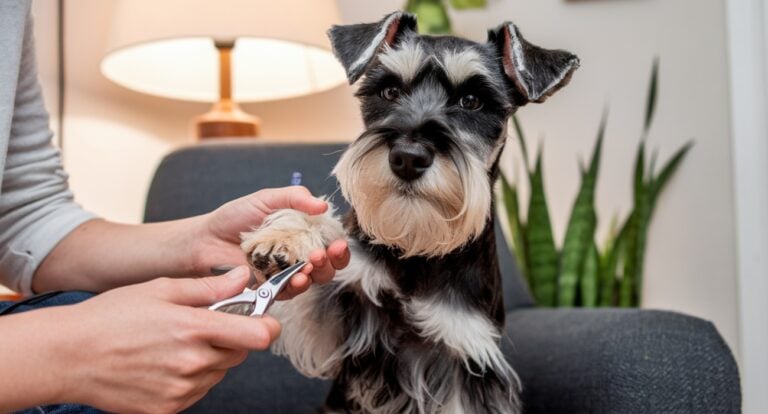
The trade-off? Regular grooming is non-negotiable. That low-shedding coat needs to be clipped or hand-stripped every six to eight weeks to prevent matting and maintain the breed’s characteristic appearance. Their beards also require frequent cleaning since they tend to trap food and water. It’s less vacuuming, more grooming appointments.
9. They’re Natural Alarm Systems
Miniature Schnauzers take their watchdog duties seriously. They’re naturally alert and will bark to announce visitors, unusual sounds, or anything they deem suspicious. This makes them excellent alarm systems but can also make them a bit yappy if not properly trained. That terrier tenacity means they’re not easily intimidated by larger dogs or unfamiliar situations.
This vigilant nature is deeply ingrained in the breed. Those German farmers wanted dogs that would alert them to intruders (human or rodent), and modern Mini Schnauzers have inherited this protective instinct. They’re not typically aggressive, but they’re definitely vocal about protecting their territory and family.
The Miniature Schnauzer’s alert nature and vocal tendencies make them exceptional watchdogs, but these same traits require early socialization and training to prevent excessive barking from becoming a neighborhood nuisance.
10. They’re Consistently One of America’s Favorite Breeds
For decades, Miniature Schnauzers have ranked in the top 20 most popular dog breeds in the United States, and for good reason. They offer the perfect combination of manageable size, striking appearance, trainability, and engaging personality. They adapt well to various living situations, from apartments to houses with yards, making them versatile companions for different lifestyles.
Their popularity has remained remarkably stable over the years, unlike some breeds that experience boom-and-bust cycles. This consistency suggests that people who get Mini Schnauzers tend to love them and often become repeat owners. They’re neither trendy nor forgotten, occupying that sweet spot of beloved staple breed that continues to win new fans generation after generation.