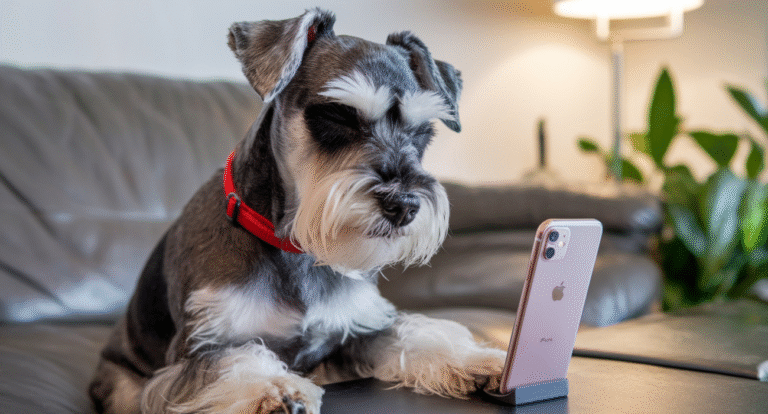
Think you know Schnauzers? These surprising facts will make you see just how unique this breed truly is.
You think you know Schnauzers? Those distinguished gentlemen with their fancy beards and eyebrows that would make any hipster jealous? Think again. These German dogs are hiding secrets that’ll make you do a double take the next time you see one strutting down the street.
From their surprising wartime history to their absolutely bizarre grooming needs, Schnauzers are way more fascinating than their dignified appearance suggests. Get ready to have your mind blown by ten facts that’ll change how you see these bearded buddies forever.
1. They’re Actually Three Completely Different Dogs
Here’s something that’ll bake your noodle: when someone says “Schnauzer,” they could be talking about three entirely separate breeds. The Miniature, Standard, and Giant Schnauzers aren’t just size variations of the same dog. They’re distinct breeds with different origins, purposes, and even temperaments.
The Standard Schnauzer came first, emerging in Germany during the Middle Ages as an all purpose farm dog. Later, breeders created the Miniature by crossing Standards with smaller breeds like Affenpinschers, while Giants were developed by mixing Standards with larger working dogs. Each variety was designed for specific jobs, from ratting to guarding to herding cattle.
Most people assume they’re the same breed in different sizes, but that’s like saying a Chihuahua and a Great Dane are basically identical because they’re both dogs. The personality differences alone are striking. Miniatures tend to be feistier and more territorial, Standards are the balanced middle children, and Giants are serious working dogs with protective instincts that could rival a security system.
2. Their Beards Are Functional, Not Fashion
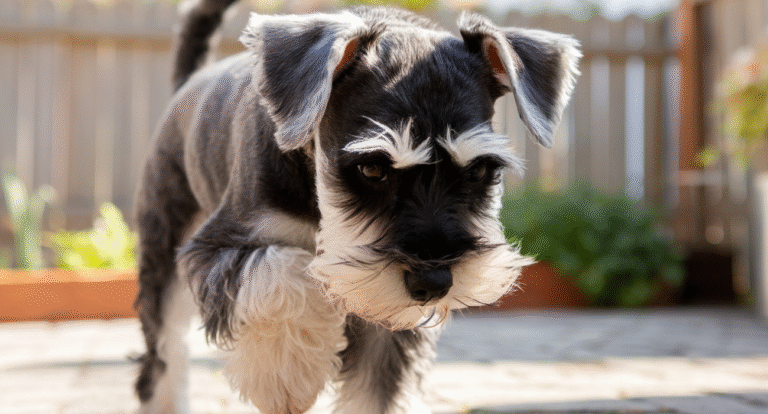
That glorious facial hair isn’t just for Instagram likes. Schnauzer beards served a genuine purpose back in their working dog days. When these pups were ratting on farms and protecting grain stores, their thick facial fur acted as armor against rodent bites and scratches.
The wiry texture of their coat, including that magnificent mustache and beard combo, protected their faces during confrontations with rats, mice, and other vermin. Think of it as medieval chainmail, but make it fashionable. The coarse outer coat repelled dirt and debris while the softer undercoat provided insulation.
Your Schnauzer’s beard isn’t a style choice. It’s battle armor that happens to look incredibly distinguished.
Today, that functional facial hair mostly collects food particles and water, turning your Schnauzer into a mobile snack dispenser. But originally? Pure practicality wrapped in style.
3. They Were Ratters, Not Lap Dogs
Despite their current status as beloved family pets, Schnauzers were hardcore working dogs with a serious rodent problem to solve. German farmers bred these dogs specifically to keep their properties free of rats and mice, and Schnauzers excelled at this grisly work.
Their size made them perfect for this job. Unlike larger dogs, Schnauzers could navigate tight spaces in barns and stables where rats loved to hide. Their fearless nature meant they’d pursue vermin into dark corners without hesitation. And that terrier like tenacity? It ensured they wouldn’t give up until the job was done.
The Miniature Schnauzer, in particular, was a ratting specialist. These pint sized hunters could squeeze into spaces other dogs couldn’t reach, making them invaluable on farms and in city settings where rat populations exploded. Next time your Schnauzer goes absolutely bonkers chasing a squirrel, remember: it’s not misbehaving. It’s honoring centuries of genetic programming.
4. The Name Literally Means “Snouter”
Ever wonder what “Schnauzer” actually means? It comes from the German word “schnauze,” which translates to “snout” or “muzzle.” Basically, Germans looked at these dogs and said, “Wow, that’s a really prominent snout,” and named the entire breed after their most obvious facial feature.
It’s wonderfully straightforward in that practical German way. No flowery names or mythological references, just: “Hey, look at that snout!” The name perfectly captures their most distinctive feature, those expressive faces with prominent muzzles framed by all that glorious facial hair.
The first dog officially recorded with the name “Schnauzer” appeared at a German dog show in 1879. That particular Standard Schnauzer won his show category, and the name stuck for the entire breed group. Talk about leaving a legacy based entirely on your nose.
5. They Have Hypoallergenic Superpowers (Kind Of)
Schnauzers frequently appear on “hypoallergenic dog” lists, and there’s legitimate science behind this claim. Their unique coat structure means they shed significantly less than most breeds, which reduces the amount of dander floating around your home.
However, let’s get real: no dog is truly 100% hypoallergenic. The term is misleading because people aren’t actually allergic to dog hair; they’re allergic to proteins found in dog saliva, urine, and dander (dead skin cells). Schnauzers simply produce and spread less of this stuff around your house because they don’t shed like crazy.
Here’s how Schnauzer coats compare to other popular breeds:
| Breed | Shedding Level | Dander Production | Allergy Friendliness |
|---|---|---|---|
| Schnauzer | Very Low | Low | High |
| Golden Retriever | Very High | High | Low |
| Poodle | Very Low | Low | High |
| Labrador | Very High | High | Low |
| Bichon Frise | Very Low | Low | High |
The catch? Schnauzers require regular grooming to prevent matting and maintain their coat’s hypoallergenic properties. Skip grooming appointments, and you’ll have a walking dreadlock situation on your hands.
6. They Served in World War I as Military Dogs
Schnauzers weren’t just farm dogs; they were war heroes. During World War I, German forces enlisted Standard Schnauzers as messenger dogs and guard dogs. Their intelligence, loyalty, and fearless nature made them perfect for military work.
These dogs carried messages between trenches, guarded supplies, and even helped locate wounded soldiers on battlefields. Their wiry coats provided some protection against harsh weather conditions in the trenches. Plus, their relatively quiet nature (compared to more vocal breeds) made them ideal for stealth operations where barking could give away positions.
The Giant Schnauzer specifically gained recognition as a military and police dog during this era. Their size, intelligence, and protective instincts made them excellent guard dogs for military installations and supply depots. After the war, many of these skills translated into police work and personal protection roles.
7. Their Coat Requires Hand Stripping (Yes, Really)
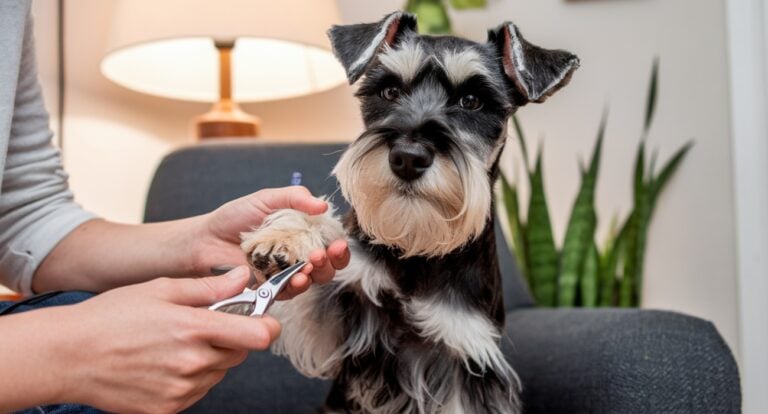
If you want your Schnauzer to maintain that classic wiry texture and vibrant color, you need to know about hand stripping. This grooming technique involves manually plucking dead hairs from the coat rather than cutting them with clippers. It sounds medieval, but it’s essential for show dogs and anyone who wants their Schnauzer to look authentically Schnauzer like.
When you clip a Schnauzer’s coat instead of stripping it, the texture gradually becomes softer and the colors fade. The wiry guard hairs that give Schnauzers their distinctive appearance get duller with each clipping. Hand stripping removes these dead hairs at the root, allowing new, properly textured hairs to grow in.
Hand stripping isn’t painful for your dog when done correctly, but it is time consuming, labor intensive, and requires either professional expertise or serious dedication from owners.
Most pet Schnauzers get clipped because it’s faster and cheaper, which is totally fine if you’re not showing your dog. But now you know why some Schnauzers look perfectly crisp and wiry while others seem softer and fluffier.
8. They’re Basically Living Alarm Systems
Schnauzers didn’t earn the nickname “watchdog supreme” for nothing. These dogs are hyper alert to their surroundings and will absolutely let you know if a leaf falls suspiciously in your yard. Their protective instincts run deep, stemming from their history as farm guardians and property protectors.
The Standard and Giant Schnauzers especially take their guarding responsibilities seriously. They’re naturally suspicious of strangers and will position themselves between their family and perceived threats. This isn’t aggression; it’s an ingrained protective instinct that’s been selectively bred for generations.
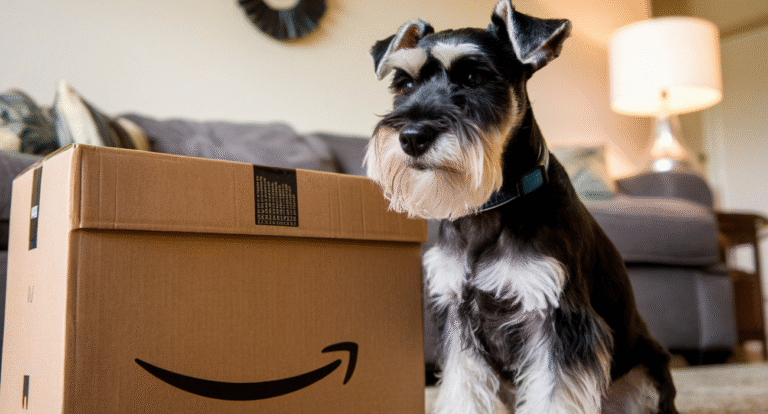
Even Miniature Schnauzers, the smallest of the bunch, believe they’re fierce protectors. They might only weigh 15 pounds, but they’ll bark at delivery drivers like they’re repelling a Viking invasion. This alertness makes them excellent watchdogs (they’ll definitely tell you someone’s approaching), though not necessarily guard dogs (a determined intruder isn’t worried about a 15 pound ball of fury).
9. Their Tails and Ears Were Traditionally Cropped for Work
Here’s a controversial piece of Schnauzer history: those pointed ears and short tails you see on some Schnauzers aren’t natural. Traditionally, Schnauzer ears were cropped and tails were docked for functional reasons related to their working roles.
Cropped ears supposedly prevented rats from latching onto and tearing a Schnauzer’s ears during vermin hunting. Docked tails reduced the risk of tail injuries when dogs worked in tight spaces or around livestock. These modifications were practical decisions for working dogs, not aesthetic choices.
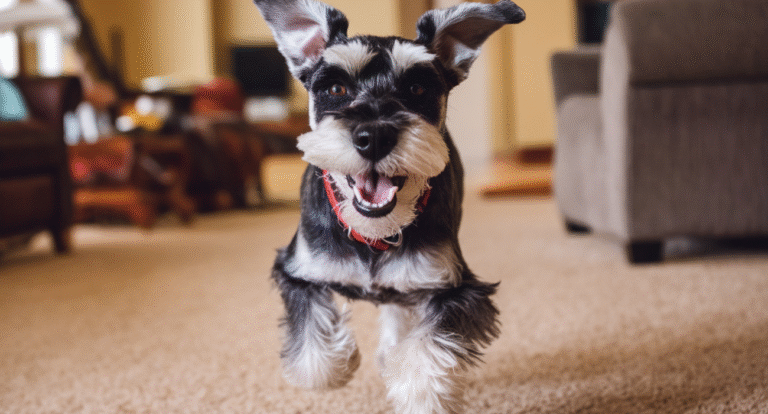
Today, ear cropping and tail docking are increasingly controversial and banned in many countries. Modern Schnauzers kept as pets have no practical need for these modifications. Natural, uncropped Schnauzers have adorable floppy ears and longer tails that actually help them communicate their emotions more effectively. The practice continues in some places purely for show ring standards, but attitudes are shifting as more people recognize that natural is perfectly beautiful.
10. They’re Incredibly Smart But Hilariously Stubborn
Schnauzers consistently rank high in canine intelligence tests, but here’s the twist: being smart doesn’t always mean being obedient. These dogs understand exactly what you’re asking them to do. Whether they choose to do it is an entirely different question.
Their intelligence manifests in problem solving abilities that can be both impressive and frustrating. Schnauzers excel at figuring out how to open doors, raid pantries, and manipulate their humans into extra treats. They’re clever enough to understand cause and effect, which means they learn both good and bad behaviors with equal efficiency.
The stubbornness comes from their breeding as independent working dogs. Farm dogs needed to make decisions without constant human direction, so Schnauzers developed strong wills and independent thinking. This trait makes them excellent problem solvers but sometimes challenging students in obedience class.
Training a Schnauzer requires patience, consistency, and a sense of humor. They respond best to positive reinforcement and mental stimulation, but they’ll definitely test boundaries to see what they can get away with. Think of it as living with a very furry, very bearded toddler who happens to have impeccable facial hair and centuries of working dog genetics.