Follow this complete 7-day guide for Schnauzer training success. Set clear goals and watch your dog learn quickly and happily.
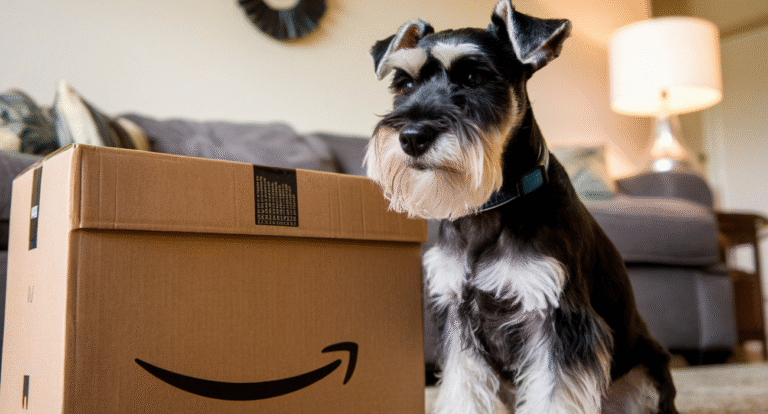
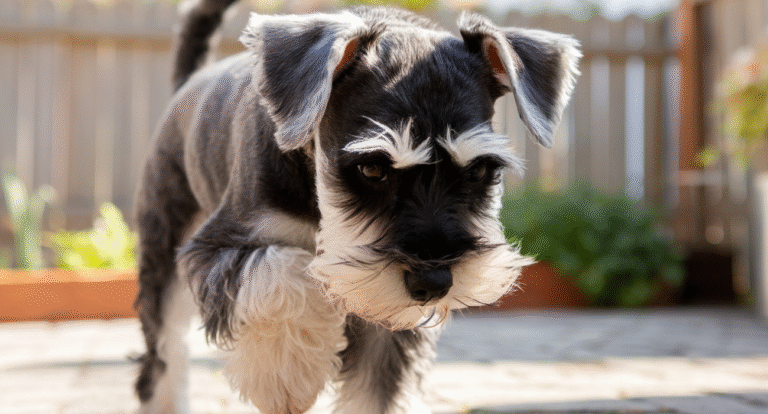
Your Schnauzer just knocked over the trash can. Again. Those intelligent eyes stare back at you with zero remorse, and honestly? You can’t even be mad because that beard is too adorable. But here’s the thing: that brilliant brain needs structure, and you need a plan that actually works.
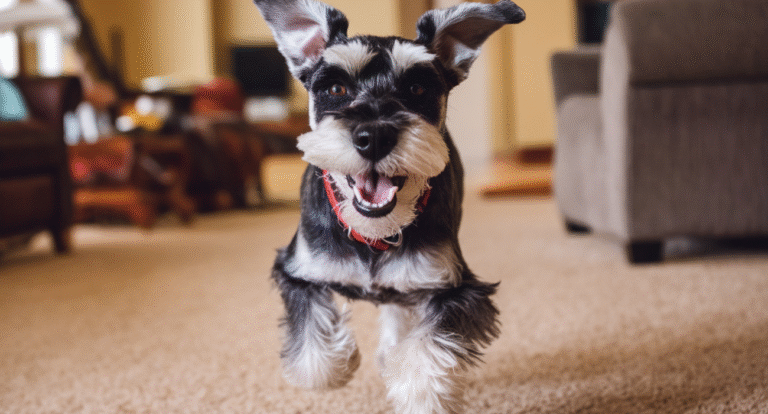
Welcome to your week of transformation. No, seriously. Seven days from now, your wiry little genius will be responding to commands, understanding boundaries, and maybe (just maybe) leaving the garbage alone. Schnauzers are whip smart, which means they learn fast when you speak their language.
Day 1: Establish Your Leadership (Without Being a Jerk About It)
The first day isn’t about tricks. It’s about trust. Schnauzers need to know you’re reliable, consistent, and worth listening to. This breed can smell uncertainty from a mile away, and they will exploit it.
Start with hand feeding breakfast and dinner. Every single kibble goes from your hand to their mouth. Yes, it takes forever. Yes, it’s worth it. This simple act establishes you as the provider of all good things. Watch how quickly your Schnauzer starts checking in with you throughout the day.
Next up: the name game. Say your dog’s name in a happy voice. When they look at you? Instant treat. Repeat twenty times spread throughout the day. You’re building positive associations with paying attention to you. This becomes the foundation for literally everything else.
Your Schnauzer doesn’t need you to be dominant. They need you to be interesting, consistent, and reliable. Be the person they choose to follow, not the person they tolerate.
Finally, implement the “nothing in life is free” protocol. Before meals, ask for a sit. Before going outside, ask for eye contact. Before throwing the ball, ask for a down. Your Schnauzer starts learning that cooperation unlocks privileges. Keep it light, keep it fun, and watch their brain engage.
Day 2: Master the Mighty “Sit”
Today you’re turning “sit” into the most bulletproof command in your arsenal. Not just a casual sit when they feel like it. A drop everything and plant that butt kind of sit.
Grab high value treats (tiny pieces of chicken or cheese work magic). Hold a treat close to your Schnauzer’s nose, then slowly move it up and back over their head. Their bottom naturally drops as they track the treat. The second it touches the ground, say “yes!” and deliver the treat right between their paws.
Repeat this fifteen times, then take a break. Come back an hour later and do another fifteen reps. By evening, start adding the word “sit” just before their butt touches down. You’re labeling the behavior they’re already doing. Timing is everything here, so stay focused.
| Training Session | Reps | Notes |
|---|---|---|
| Morning | 15 | Use hand lure, no verbal cue yet |
| Midday | 15 | Continue hand lure, watch for anticipation |
| Afternoon | 15 | Add verbal “sit” as butt descends |
| Evening | 15 | Start fading the lure, test with just the cue |
The Schnauzer brain loves patterns. By the end of day two, most will anticipate the sit before you even finish the hand motion. That’s when training gets fun because you’re working with their intelligence instead of against it.
Day 3: Conquer the “Come” Command
This is the command that might save your Schnauzer’s life someday, so yeah, it’s kind of important. The good news? Schnauzers are naturally social dogs who usually want to be near their people. You just need to make coming to you the best decision they’ll make all day.
Start in a hallway or small room with zero distractions. Say your dog’s name followed by “come!” in the happiest voice you can muster without embarrassing yourself. When they move toward you (and they will because you’re suddenly fascinating), praise lavishly and deliver multiple treats in a row. Three to five treats, one after another, right at your feet.
Practice this ten times. Then wait thirty minutes and do another session. By the third session, move to a slightly larger space. The key is building such a strong positive association that “come” becomes irresistible.
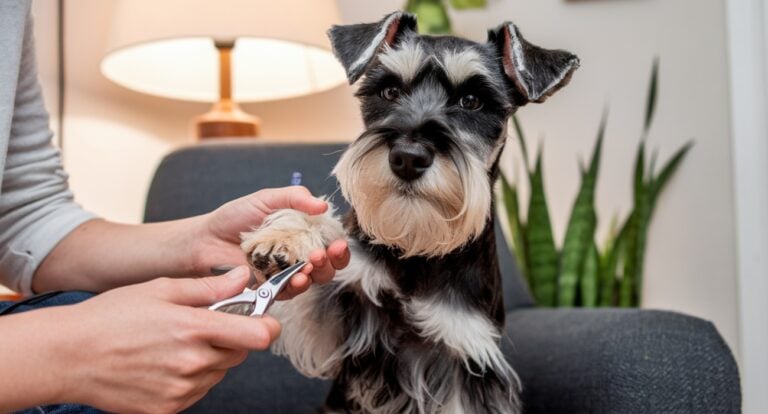
Pro tip for stubborn Schnauzers: Never call them to you for something they hate. Need to trim nails? Go get them. Time for a bath? Walk over and scoop them up. The recall command should only predict awesome things.
Every time you say “come” and your Schnauzer ignores you, you’re teaching them that the command is optional. Quality matters more than quantity. Five perfect recalls beat fifty ignored ones.
Day 4: Perfect the “Down” Position
If sit is useful, down is essential. This position naturally calms dogs, making it your secret weapon for managing excitement, greeting visitors, or surviving the vet’s waiting room.
Schnauzers can be weird about going into a down at first. It’s a vulnerable position, and these confident little dogs aren’t always thrilled about it. Start with your dog already sitting. Hold a treat at their nose, then slowly lower it straight down to the ground between their front paws.
Most dogs will fold into position following the treat. Some Schnauzers will pop their butt up and stand instead (creative problem solving, wrong answer). If this happens, lower the treat more slowly and closer to their body. You can also try starting with them on a raised surface like a couch where dropping down feels less dramatic.
The moment elbows touch the ground, throw a party. Multiple treats, enthusiastic praise, the works. Do ten reps, break, and come back for another session later. By day’s end, start adding the verbal “down” cue right before they commit to the position.
Day 5: Introduce “Stay” with Patience
Stay teaches impulse control, and impulse control is basically magic for high energy Schnauzers. This takes longer than the previous commands because you’re asking your dog to actively not do something, which feels unnatural.
Put your Schnauzer in a sit. Hold your palm up like a stop sign, say “stay,” then immediately reward them before they have a chance to move. Yes, immediately. You’re paying them for staying in position for literally one second.
Gradually increase the duration. One second becomes two seconds becomes five seconds. If they break position, no big deal. Just reset and make it easier. The secret is succeeding at least 80% of the time. If your Schnauzer keeps breaking the stay, you’re progressing too fast.
| Stay Duration | Distance | Success Rate Goal |
|---|---|---|
| 1 to 3 seconds | At dog’s side | 90% |
| 5 to 10 seconds | One step back | 85% |
| 15 to 20 seconds | Two steps back | 80% |
| 30+ seconds | Across the room | 75% |
Once they can hold a stay for ten seconds with you standing right there, start adding distance. Take one step backward, return, and reward. Build this slowly. Schnauzers are smart enough to understand the concept quickly, but that doesn’t mean their self control is fully developed yet.
Day 6: Add Distractions and Real World Practice
Your living room is easy mode. The real world is where training either proves itself or falls apart. Today you’re taking everything you’ve built and stress testing it.
Start in your backyard or a quiet area outside. Run through all the commands with mild distractions present. Birds flying by. A neighbor walking past. Leaves blowing around. Your Schnauzer’s responses will probably be sloppier than inside, and that’s fine. You’re building reliability in the face of actual life.
The distraction hierarchy works like this: easy (indoor practice), moderate (backyard), challenging (front yard with occasional activity), expert (park or busy area). Only move up one level when your dog succeeds consistently at the current level.
Practice walking on a loose leash for short distances. Stop randomly and ask for a sit. Release them to sniff something interesting as a reward for checking in with you. Training becomes a conversation instead of a lecture.
Schnauzers are terriers at heart, which means every squirrel, leaf, and distant dog is potentially more interesting than you. The goal isn’t perfect focus. It’s teaching them that checking back in with you unlocks access to all those fascinating things.
Carry treats everywhere. Seriously, your pockets should jingle. When your Schnauzer makes good choices (eye contact during a walk, sitting automatically at a curb, coming when called in the yard), mark and reward it. You’re catching them being brilliant.
Day 7: Build Duration, Distance, and Speed
The final day isn’t about new commands. It’s about solidifying everything. Your Schnauzer knows what to do. Now they need to know these commands work everywhere, always, no matter what.
Challenge duration first. Ask for a sit stay, then do something boring like check your phone for thirty seconds. Gradually work up to a minute. Can they hold position while you walk to another room? This builds reliability when you need them to wait patiently.
Test distance next. Practice recalls from across the yard. Ask for a down while you’re standing fifteen feet away. The goal is proving that your voice carries the same weight regardless of proximity.
Finally, work on speed of response. When you say sit, how quickly does their butt hit the ground? Faster responses get extra special rewards. A jackpot of five treats instead of one. This teaches your Schnauzer that enthusiasm pays dividends.
Mix up the order of commands to keep their brain engaged. Sit, down, sit, stay, come, down. Random patterns prevent autopilot and maintain focus. Schnauzers get bored with predictability, so keep them guessing in the best way.
By tonight, film yourself running through a sequence of commands. Watch it back. You’ll be amazed at what you’ve both accomplished in seven days. That’s not luck. That’s you understanding how to communicate with a remarkably smart breed.