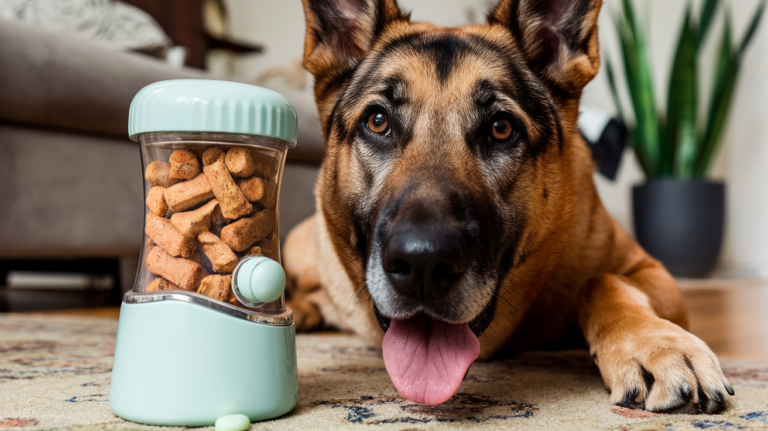
Your German Shepherd has unspoken wishes. These insights reveal what they need most from you for a happier, stronger bond.
Pretend your German Shepherd finally gets the magic ability to talk for exactly five minutes. What would they tell you first? Probably not “thanks for the kibble” or “nice couch.” More likely, they’d launch into a passionate TED talk about exercise requirements, mental health needs, and why that sketchy neighbor definitely can’t be trusted.
These dogs are complex creatures wrapped in fur and fueled by an intense desire to both protect you and make you happy. The problem? We humans often misinterpret their signals, leading to frustrated dogs and confused owners. Time to bridge that communication gap and discover what your four legged shadow has been trying to communicate all this time.
1. They Need WAY More Exercise Than You Think
Let’s get brutally honest here: a leisurely 20 minute stroll around the neighborhood is basically an insult to your German Shepherd’s athletic capabilities. These dogs were literally bred to work all day long, herding sheep across vast German pastures. That genetic programming didn’t disappear just because your GSD now lives in suburbia with a cozy bed and automatic feeders.
Your German Shepherd needs real exercise, and lots of it. We’re talking about a minimum of 90 minutes to 2 hours of physical activity daily. But here’s where most owners get it wrong: it’s not just about quantity, it’s about intensity and variety. A slow walk barely registers on their exertion scale.
Your German Shepherd’s body is designed for endurance, agility, and power. Anything less than substantial daily exercise isn’t just insufficient; it’s setting the stage for behavioral problems, anxiety, and frustration.
Think running, hiking on challenging terrain, swimming, fetch sessions that actually tire them out, or agility training. Mix it up! Your dog gets bored with the same routine just like you would. One day might be a long trail run; the next could involve advanced fetch games or training exercises that incorporate physical challenges.
And when they don’t get enough exercise? That’s when your couch gets redecorated (by teeth), your walls get new “art” (from anxious scratching), and your neighbors get serenaded (by excessive barking). The destruction isn’t spite; it’s pent up energy with nowhere to go. A tired German Shepherd is a good German Shepherd.
2. Their Brain Needs Exercise Too
Here’s something that surprises even experienced dog owners: mental exhaustion can tire out a German Shepherd faster than physical exercise alone. These dogs rank among the smartest breeds on the planet, typically placing third in canine intelligence studies. That brilliant brain needs constant stimulation, or it’ll find its own entertainment (hint: you won’t like their choices).
German Shepherds are problem solvers by nature. In their original working roles, they had to make independent decisions, assess threats, and navigate complex situations. Your modern GSD still has that same cognitive capacity, but now they’re… sitting on your couch? That’s a recipe for a bored, anxious dog.
Mental enrichment isn’t optional; it’s essential. Puzzle toys, scent work, hide and seek games, learning new tricks and commands, or advanced obedience training should be daily activities. Even something as simple as hiding treats around the house for them to sniff out engages their natural abilities and satisfies their need to “work.”
| Mental Stimulation Activity | Time Required | Difficulty Level | Benefits |
|---|---|---|---|
| Puzzle Feeders | 10-20 minutes | Beginner | Slows eating, engages problem solving |
| Scent Work Games | 15-30 minutes | Intermediate | Uses natural instincts, very tiring |
| Advanced Obedience Training | 20-30 minutes | Intermediate to Advanced | Strengthens bond, mental challenge |
| Hide and Seek | 10-15 minutes | Beginner | Fun, engages seeking instinct |
| New Trick Training | 15-20 minutes | Varies | Keeps mind sharp, builds confidence |
The beautiful thing about mental exercise? A 20 minute training session can leave your dog as satisfied as an hour long walk. Combine both physical and mental challenges, and you’ve got the ultimate recipe for a balanced, happy German Shepherd.
3. They’re Velcro Dogs (And That’s Not a Bad Thing)
Does your German Shepherd follow you everywhere? Bathroom, kitchen, bedroom, that three second trip to grab something from another room? Congratulations, you’ve got a classic “Velcro dog,” and it’s completely normal for the breed. But understanding why they do this matters tremendously.
German Shepherds were bred to work closely with handlers, developing an intense bond and constant awareness of their human partner’s location and needs. This trait made them exceptional herding dogs, police K9s, and service animals. Your dog isn’t clingy or insecure (usually); they’re literally following their genetic blueprint.
The constant companionship your German Shepherd offers isn’t neediness. It’s devotion, loyalty, and an unbreakable bond that defines the very essence of the breed.
However, there’s a fine line between healthy attachment and separation anxiety. If your dog becomes destructive, excessively vocal, or panicked when you leave, that’s a problem requiring attention. The solution? Building independence through gradual alone time training, creating positive associations with your departures, and ensuring they’re properly exercised before you leave.
Most of the time, though, that shadow following you around is simply a German Shepherd being a German Shepherd. They want to be where you are, participating in your activities (or at least supervising them). Embrace it! This loyalty is one of the breed’s most endearing qualities. Just maybe install a bigger bathroom.
4. They’re Sensitive Souls Hiding Behind a Tough Exterior
Look at your German Shepherd. See that powerful build, those alert ears, that confident stance? Now prepare to have your perception completely flipped: underneath that capable exterior is often a surprisingly sensitive creature who picks up on every emotional nuance in their environment.
German Shepherds are incredibly attuned to their owner’s emotional states. They notice when you’re stressed, sad, anxious, or angry, and these emotions directly affect them. Harsh training methods or angry outbursts can genuinely hurt their feelings and damage your bond. These dogs don’t respond well to heavy handed discipline; they thrive on positive reinforcement and clear, consistent communication.
Many GSDs are also sensitive to environmental changes. A new person in the house, rearranged furniture, different schedules, or unusual noises can trigger anxiety or stress responses. They’re not being difficult; they’re processing changes through their highly observant, slightly suspicious lens. (Remember, they were bred to be guardians who notice everything.)
This sensitivity extends to physical touch and handling as well. While they’re certainly not fragile, German Shepherds often have specific preferences about how and where they like being petted. Pay attention to their body language. Ears back, lip licking, or turning away? They’re uncomfortable. Relaxed posture, leaning in, or bringing you toys? You’ve found their happy place.
Understanding this sensitivity transforms training and daily interactions. Instead of seeing a stubborn dog, you’ll recognize a thoughtful animal processing information and emotions. Work with their sensitive nature, not against it, and you’ll unlock incredible cooperation and trust.
5. Socialization Isn’t Optional (And It Never Really Ends)
Here’s a myth that needs demolishing: socialization isn’t just for puppies. Your adult German Shepherd still needs regular, positive exposure to new people, animals, environments, and experiences. This breed’s protective instincts are strong, and without ongoing socialization, those instincts can morph into fear, reactivity, or aggression.
German Shepherds are naturally aloof with strangers. That’s normal and even desirable in a guardian breed. But there’s a massive difference between appropriate caution and problematic behavior. A well socialized GSD can distinguish between actual threats and normal, everyday situations. A poorly socialized one sees danger everywhere.
Proper socialization doesn’t eliminate your German Shepherd’s protective nature; it refines it, creating a dog who’s confident, discerning, and appropriately responsive rather than fearful or aggressive.
Start early if you can, but it’s never too late to improve socialization. Controlled exposure to various stimuli, positive associations through treats and praise, and gradual desensitization to triggers all help. Dog friendly stores, outdoor cafes, training classes, and structured playdates provide excellent opportunities.
The goal isn’t to have a German Shepherd who loves everyone (that’s not their personality). The goal is a dog who remains calm and neutral in various situations, trusting your judgment about who and what is safe. When visitors come over, your GSD should be watchful but not reactive. When you’re at the vet, they should be manageable despite discomfort. That level of confidence comes from consistent, positive socialization throughout their entire life.
Skip socialization, and you risk having a dog who’s anxious, reactive, or difficult to manage in public. Invest in it, and you’ll have a stable, confident companion who can accompany you almost anywhere. The choice seems pretty obvious, doesn’t it?