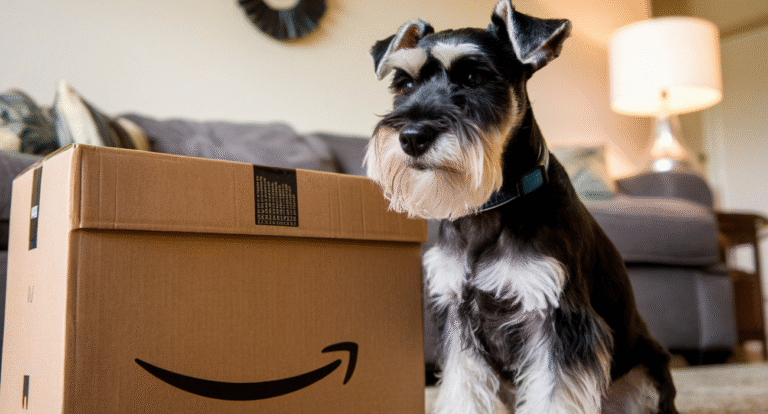
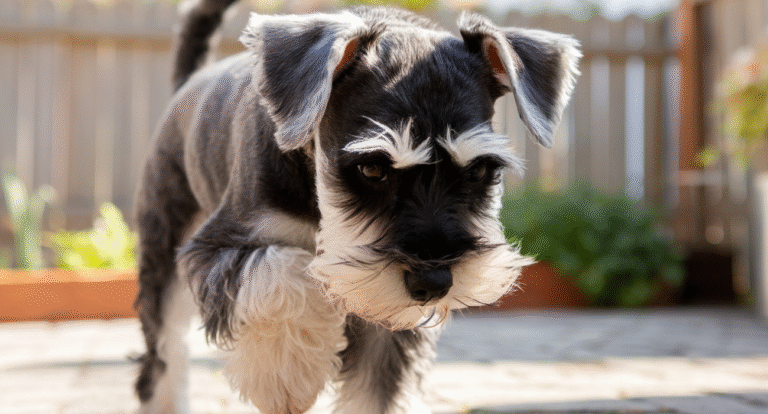
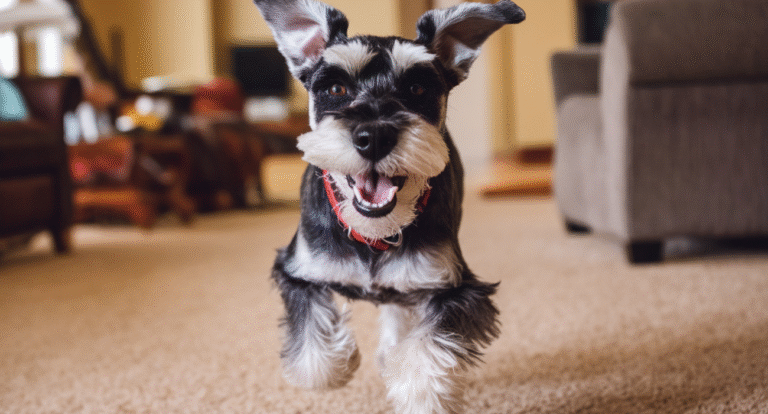
Boost both your fitness and your Schnauzer’s with the correct walking technique for more satisfying and enjoyable outings every time.
Here’s the truth about Schnauzers: they’re not content with gentle meandering. These are dogs with purpose, descended from working breeds that needed both brains and brawn. Whether you’ve got a pint-sized Miniature or a substantial Giant Schnauzer, that signature beard is attached to a dog who craves mental stimulation and physical challenge.
Most dog owners are missing a golden opportunity. Every single day, you have a chance to improve your cardiovascular health, strengthen your legs, and boost your mood, all while keeping your Schnauzer happy and well-behaved. The secret? It’s all in the technique.
Understanding Your Schnauzer’s Exercise Needs
Schnauzers aren’t your average couch potato canines. These dogs were bred in Germany as versatile farm dogs, which means exercise isn’t optional for them; it’s essential. The energy levels vary by size, but even the smallest Miniature Schnauzer needs a solid 30 to 60 minutes of exercise daily. Standard Schnauzers require even more, while Giant Schnauzers can demand up to two hours of vigorous activity.
Ignoring these needs leads to behavioral problems. A bored Schnauzer becomes a destructive Schnauzer. They’ll channel that pent-up energy into barking, digging, chewing your favorite shoes, or redecorating your couch cushions. But when you meet their exercise requirements properly, you get a calm, happy companion at home and a fitter version of yourself.
Size Matters: Tailoring Your Approach
| Schnauzer Type | Height | Weight | Daily Exercise Minimum | Ideal Walk Duration |
|---|---|---|---|---|
| Miniature | 12-14 inches | 11-20 lbs | 30-45 minutes | Two 20-30 minute walks |
| Standard | 17-20 inches | 30-50 lbs | 45-60 minutes | Two 30-45 minute walks |
| Giant | 23-28 inches | 55-85 lbs | 60-120 minutes | Two 45-60 minute walks plus play |
Each size category has different stride lengths and endurance levels. Your Miniature Schnauzer might need to trot quickly to keep up with your normal walking pace, which actually gives them a better workout. Giant Schnauzers, conversely, can match your stride easily and need more challenging terrain or faster speeds to really get their heart rates up.
The Foundation: Proper Walking Equipment
Before you even step out the door, your gear matters enormously. A standard collar can actually damage your Schnauzer’s trachea if they pull, which many of these strong-willed dogs love to do. Instead, invest in a properly fitted harness that distributes pressure across their chest. This gives you better control and keeps your dog safer.
The leash length is another crucial factor. Those retractable leashes might seem convenient, but they’re terrible for fitness walks. They encourage pulling, eliminate your control, and turn walks into erratic stop-and-go sessions. A fixed six-foot leash keeps your Schnauzer close enough for guidance while allowing them enough freedom to sniff and explore slightly.
Don’t forget about yourself, either. Wear proper walking shoes with good support. You’d be surprised how much difference appropriate footwear makes when you’re clocking 30 to 60 minutes daily. Consider a hands-free waist leash if you want to add arm movements or light hand weights to increase your own workout intensity.
The Power of Structured Walking
Here’s where most people go wrong: they let their Schnauzer dictate the entire walk. The dog sniffs every single blade of grass, stops randomly, zigzags across the path, and generally turns what should be cardiovascular exercise into a frustrating game of stop-and-go. This benefits neither of you.
The goal isn’t to eliminate your Schnauzer’s natural behaviors; it’s to structure them strategically so both of you get maximum benefit from your time together.
Start each walk with 10 to 15 minutes of brisk, uninterrupted walking. Your Schnauzer should be at your side or slightly ahead, but not pulling. Maintain a pace that elevates your heart rate. For most people, this means walking fast enough that you can talk but would find singing difficult. Your Schnauzer should be trotting along happily, not dragging behind or yanking forward.
After this initial cardiovascular burst, then allow a sniff break. Let your dog investigate interesting smells for a few minutes. This isn’t wasted time; mental stimulation from scent exploration is exhausting for dogs in the best possible way. Then resume another segment of brisk walking. This interval approach keeps the walk engaging while ensuring real fitness benefits.
Adding Intensity Variables
Once you’ve mastered basic structured walking, it’s time to challenge both yourself and your Schnauzer. Hills are your secret weapon. Even gentle inclines significantly increase calorie burn and build muscle strength in your legs and your dog’s hindquarters. Schnauzers were bred for varied terrain, so they excel at hill work.
Try incorporating intervals of faster walking or light jogging (if your Schnauzer is healthy and your vet approves). Thirty seconds of increased speed followed by two minutes of normal pace makes walks far more effective. Your Schnauzer will love the variety, and you’ll see fitness improvements much faster than with steady-state walking alone.
Vary your routes constantly. Different terrain, surfaces, and environments challenge your dog’s mind while working different muscle groups. Sidewalks, grass, dirt trails, sandy beaches (if available), even shallow water… each surface provides unique benefits. Your Schnauzer’s paw pads become stronger, their balance improves, and their confidence grows.
The Mental Component: Walking With Purpose
Physical exercise alone isn’t enough for intelligent breeds like Schnauzers. These are thinking dogs who need cognitive engagement. Transform ordinary walks into training opportunities. Practice heel commands, sits at every intersection, stays before crossing streets, and recalls when appropriate.
Every walk is a chance to reinforce good behavior and deepen your bond. A tired Schnauzer is a good Schnauzer, but a tired AND mentally stimulated Schnauzer is an excellent one.
This mental engagement has a bonus effect on your fitness journey too. When you’re actively working with your dog, maintaining proper posture, and staying present in the moment, you’re burning more calories than mindless shuffling while scrolling through your phone. Put the phone away. Focus on your dog. You’ll both benefit immensely.
Consider adding small challenges during walks. Teach your Schnauzer to jump over small obstacles, weave around trees, or balance on low walls (always safely). These activities build their body awareness and core strength while keeping walks interesting and unpredictable.
Weather Considerations and Safety
Schnauzers have that wonderful double coat that protects them reasonably well in various conditions, but they’re not invincible. Extreme heat is particularly dangerous. Those adorable beards can trap heat, and their dark coloring (common in many Schnauzers) absorbs sunlight readily. During summer months, schedule walks for early morning or evening when temperatures drop.
Check pavement temperature with your hand. If it’s too hot for your palm for five seconds, it’s too hot for your dog’s paws. Consider investing in dog boots if you must walk on hot surfaces, or stick to grass and dirt trails during heat waves.
Cold weather is generally less problematic for Schnauzers, especially Standards and Giants. Their wiry coat provides decent insulation. However, Miniature Schnauzers may appreciate a dog coat in freezing temperatures, particularly if they’re clipped short. The key is watching your individual dog’s behavior. If they’re shivering, lifting paws repeatedly, or seem reluctant to continue, it’s time to head home.
Always bring water for both of you on longer walks. A collapsible dog bowl weighs almost nothing and keeps your Schnauzer hydrated. Dehydration can sneak up quickly, especially when you’re both working hard.
Common Mistakes That Sabotage Fitness Goals
One huge mistake is inconsistency. Walking your Schnauzer vigorously one day, then skipping three days, then doing a mega-walk creates an unhealthy pattern. Both humans and dogs benefit from regular, consistent exercise. Aim for daily walks, even if some are shorter than others. Your body adapts to regular movement, building endurance and strength progressively.
Another error is failing to adjust as your dog ages. Senior Schnauzers still need exercise, but the intensity and duration should decrease. Watch for signs of fatigue like lagging behind, excessive panting, or reluctance to continue. Conversely, young puppies under one year shouldn’t do extended vigorous exercise; their growing joints need protection. Short, multiple walks work better for youngsters.
The biggest fitness mistake of all? Treating walks as a chore rather than an opportunity. When you shift your mindset to view these outings as dedicated time for your health and your relationship with your dog, everything changes.
Many people underestimate how much their walking posture affects results. Slouching, looking down at your phone, shuffling along… these habits minimize calorie burn and can lead to back pain. Stand tall, engage your core, swing your arms naturally, and take purposeful steps. Your Schnauzer feeds off your energy. When you walk with confidence and purpose, they do too.
Tracking Progress for Motivation
Both you and your Schnauzer will see improvements over time, but tracking those changes keeps motivation high. For yourself, consider using a fitness tracker or smartphone app to monitor steps, distance, pace, and calories burned. Watching these numbers improve week over week provides tangible proof of progress.
For your Schnauzer, observe behavioral changes. Better leash manners, improved focus, reduced destructive behaviors at home, healthier weight, shinier coat… these are all signs that your walking routine is working. Take monthly photos of your dog (and yourself if you’re comfortable). Visual progress can be incredibly motivating when the scale or measurements aren’t moving as fast as you’d like.
Many owners find that joining online communities or finding a walking buddy creates accountability. When someone else expects you to show up for morning walks, you’re far less likely to skip. Plus, Schnauzers are social dogs who often enjoy having canine friends on their adventures.
The Long Game: Building Sustainable Habits
Real fitness transformation doesn’t happen in a week or even a month. The magic occurs when walking your Schnauzer becomes so ingrained in your routine that not doing it feels strange. Start by linking walks to existing habits. Always walk right after your morning coffee, or immediately when you get home from work. These behavioral anchors make consistency much easier.
Remember that some walks will be better than others. Weather will be terrible sometimes. You’ll feel exhausted occasionally. Your Schnauzer might have an off day. That’s completely normal. The goal isn’t perfection; it’s persistence. Even a short 15-minute walk on a rough day is better than nothing and maintains your habit streak.
As you and your Schnauzer grow fitter together, you’ll likely find yourselves naturally wanting to do more. Maybe you’ll add weekend hiking adventures, try a dog sport like agility, or simply extend your daily walks because you both enjoy them so much. This organic growth is the ultimate sign of success: you’ve transformed a duty into a genuine pleasure that enhances both your lives.
Your Schnauzer is ready for an adventure. Those expressive eyebrows are asking if you are too. Grab that leash and start walking your way to better fitness, one paw print at a time.