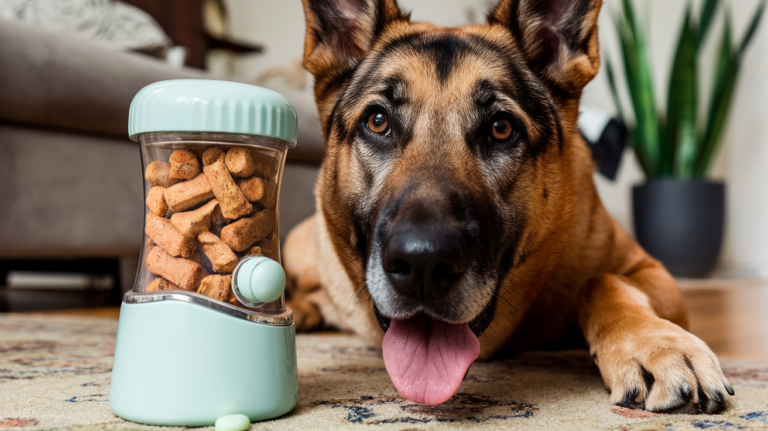
There is one mistake that can damage trust instantly. Learn what it is and why avoiding it ensures a healthy and secure relationship with your shepherd.
Let me cut straight to the chase: I’ve seen too many German Shepherds end up anxious, destructive, and downright miserable. The heartbreaking part? Their owners usually have the best intentions. They read the blogs, bought the fancy beds, and invested in premium kibble. Yet they still managed to commit the single biggest mistake in German Shepherd care.
This isn’t about obedience training or exercise routines, though those matter too. We’re talking about something deeper, something that affects your dog’s very soul. Whether you’re a new German Shepherd parent or you’ve had one for years, understanding this crucial mistake could transform your relationship with your furry friend forever.
Understanding the German Shepherd Psyche
Before we dive into the big mistake, let’s talk about what makes German Shepherds different from other breeds. These aren’t your typical family dogs that are content to lounge around and collect belly rubs (though they certainly enjoy those too). German Shepherds were bred for purpose, for work, for having a job that exercises both their bodies and their brilliant minds.
The German Shepherd breed emerged in the late 1800s, specifically designed to herd and protect sheep across the varied German countryside. Captain Max von Stephanitz refined the breed with one goal in mind: creating the ultimate working dog. That legacy runs through every German Shepherd’s veins today, whether they’re herding livestock or just herding your family around the living room.
The Working Dog Mentality
This working heritage means German Shepherds possess an intense drive to serve, protect, and stay mentally engaged. Their intelligence ranks among the top three dog breeds worldwide. They don’t just learn commands; they analyze situations, anticipate needs, and problem solve independently. This cognitive horsepower needs an outlet, or it becomes a pressure cooker of unexpressed energy.
Think of it this way: you’ve got a supercomputer, but you’re only using it to check email. That’s what happens when a German Shepherd’s mental capabilities go unused. The result? Behavioral issues that owners mistake for stubbornness or aggression when they’re really just symptoms of a much deeper problem.
The Cardinal Sin: Isolation and Lack of Purpose
Here it is, the one thing you must never do with your German Shepherd: isolate them from family life and fail to give them purpose.
I know what you’re thinking. “But I love my dog! I feed him, walk him, and he has a nice yard!” That’s wonderful, but it’s not enough. Not even close. German Shepherds who are relegated to the backyard, kept separate from daily family activities, or treated as mere pets rather than working partners suffer profoundly. This isolation doesn’t just make them sad; it fundamentally breaks something inside them.
The German Shepherd needs to be woven into the fabric of your daily life, not kept on its periphery like a decorative accessory. Their purpose is to be WITH you, not near you.
Why Isolation Destroys German Shepherds
Let’s get specific about what happens when you isolate your German Shepherd. These dogs bond intensely with their families. That bond isn’t just emotional; it’s practically biological. When you separate them from the pack (that’s you and your family), you’re triggering every anxiety instinct they possess.
The consequences of isolation include:
- Excessive barking and whining
- Destructive chewing and digging
- Anxiety disorders and depression
- Aggression born from fear and frustration
- Obsessive compulsive behaviors
- Inability to socialize properly
- Loss of trust in humans
Studies have shown that German Shepherds kept primarily outdoors or separated from family interaction show significantly higher cortisol levels (the stress hormone) than those integrated into household routines. Their entire evolutionary purpose centers on being part of a working unit, and isolation contradicts their fundamental nature.
The Purpose Problem
But isolation isn’t just physical. You can have a German Shepherd living inside your home who still suffers from purposelessness. These dogs need jobs, missions, tasks that engage their capabilities. Without purpose, they create their own jobs, and you probably won’t like what they choose. (Spoiler alert: it usually involves redecorating your house with the stuffing from your couch cushions.)
What Your German Shepherd Actually Needs
Integration Into Daily Life
Your German Shepherd should be your shadow, your constant companion. When you’re cooking dinner, they should be in the kitchen. When you’re watching television, they should be nearby. When you’re working from home, they should have a spot in your office. This isn’t about being clingy; it’s about being included.
Think of integration on a spectrum:
| Level of Integration | Activities | Impact on Dog |
|---|---|---|
| Poor | Dog stays in yard/garage, minimal interaction | High anxiety, behavioral problems, poor bonding |
| Moderate | Dog comes inside sometimes, occasional walks | Some anxiety, inconsistent behavior, confused about role |
| Good | Dog lives inside, regular exercise and training | Better behavior, good bonding, but may lack purpose |
| Excellent | Dog fully integrated, has jobs/tasks, constant companion | Confident, stable, fulfilled, strong bond |
Moving up this spectrum isn’t difficult, but it requires intentionality. Your German Shepherd isn’t asking for luxury; they’re asking for inclusion.
Giving Them Purpose
Purpose doesn’t mean your German Shepherd needs to be a police dog or service animal (though they excel at both). Purpose can be as simple as carrying the newspaper inside, helping you put laundry in the basket, or learning to bring you specific items on command. These dogs thrive on having responsibilities, no matter how small they might seem to us.
A German Shepherd with a job is a German Shepherd with joy. Their happiness flows directly from feeling useful and needed.
Practical Ways to Avoid This Mistake
Create Daily Tasks and Rituals
Start small. Teach your German Shepherd to bring you their leash before walks. Have them carry items between rooms. Create a morning routine where they “help” you make coffee by sitting in a designated spot and waiting patiently. These tiny jobs add up to a sense of purpose that transforms their entire demeanor.
The beauty of German Shepherds is their eagerness to learn. They’re not satisfied with basic commands; they want advanced training, trick sequences, and complex tasks. Invest time in teaching them new things weekly. Keep their minds sharp and engaged.
Include Them in Family Activities
Going to the home improvement store? Many allow dogs. Bring your German Shepherd. Having a family movie night? Make sure they have a comfortable spot in the room. Doing yard work? They can “supervise” or carry small tools. The goal is constant inclusion.
Some owners worry about their dog becoming too attached or developing separation anxiety. Here’s the truth: proper integration actually prevents separation anxiety because your dog develops confidence and security in their role. They know they belong, so they can handle brief separations without panic.
Physical AND Mental Exercise
Exercise isn’t just about burning energy; it’s about fulfilling their working dog nature. A simple walk around the block won’t cut it. German Shepherds need activities that challenge them physically and mentally simultaneously.
Consider these activities:
- Agility training: Combines physical exertion with mental problem solving
- Nose work: Taps into their incredible scenting abilities
- Obedience competitions: Provides structure and purpose
- Fetch with variations: Not just throwing a ball, but hiding it or teaching them to find specific toys
- Hiking with a purpose: Let them carry a dog backpack with their own supplies
Training as Connection
Training sessions shouldn’t be isolated events twice a week. Integrate training into everyday life. Practice commands during commercials. Work on heel position while walking to get the mail. Reinforce behaviors throughout the day. This ongoing training does double duty: it keeps their mind engaged AND reinforces your bond.
Training isn’t about dominance or control. It’s a conversation between you and your dog, a way of deepening understanding and trust.
Special Considerations for Different Life Stages
Puppies and Adolescents
Young German Shepherds are particularly vulnerable to isolation mistakes. Their brains are developing, and they’re learning what role they play in the world. Exclude them during these crucial months, and you’re programming anxiety and insecurity into their personality permanently.
Puppies need even more integration than adults. They should experience household sounds, activities, and routines constantly. Yes, they might be underfoot. Yes, they might make messes. But this inconvenience pays dividends in developing a confident, well adjusted adult dog.
Senior German Shepherds
Older dogs might slow down physically, but their need for purpose and inclusion doesn’t diminish. In fact, senior German Shepherds often suffer when families assume they want to be left alone to rest. They still want to be where you are, still need their small jobs and responsibilities, just adapted to their abilities.
Adjust their tasks to match their energy levels, but never eliminate them entirely. A senior German Shepherd carrying a very light item or simply being given the job of “greeting patrol” at the front door maintains their sense of purpose and dignity.
The Bottom Line on German Shepherd Care
German Shepherds are not lawn ornaments. They’re not part time pets. They’re deeply sensitive, profoundly intelligent beings that require integration into your life at every level. The worst thing you can do, the thing that violates their very nature, is to keep them on the margins of your world.
Physical separation, lack of purpose, and exclusion from daily activities don’t just make German Shepherds sad. These things fundamentally damage them, creating behavioral problems that people then use as justification for even more separation. It’s a tragic cycle that’s entirely preventable.
Your German Shepherd wants to be your partner, your helper, your constant companion. They want small jobs that make them feel useful. They want to be included in the mundane moments of life, not just the exciting ones. Give them this, integrate them fully, provide them purpose, and you’ll have a confident, stable, joyful dog who brings immeasurable richness to your life.
The choice is yours. Will you make your German Shepherd a true member of your family with meaningful purpose? Or will you commit the cardinal sin of treating them like just another pet? Your answer to that question determines whether you’ll have a thriving companion or a troubled dog counting the hours in isolation, wondering what they did wrong to be excluded from the pack they love so deeply.