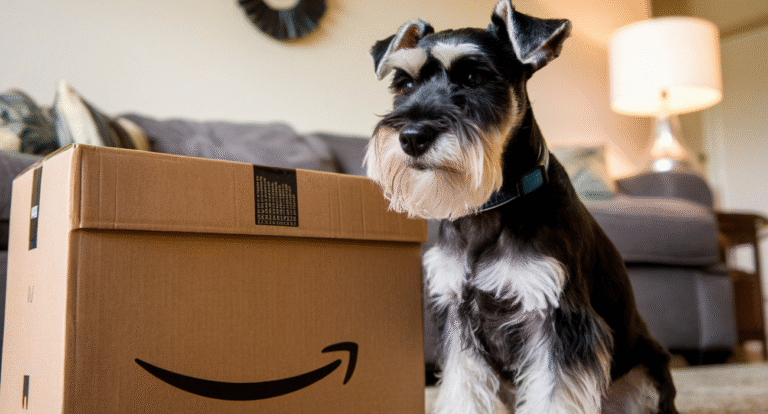
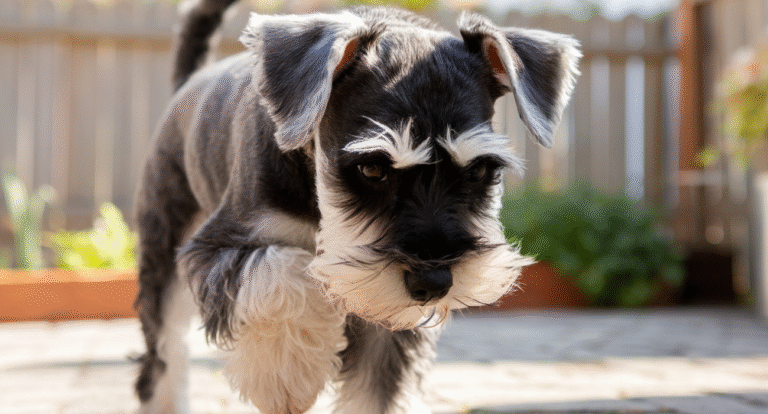
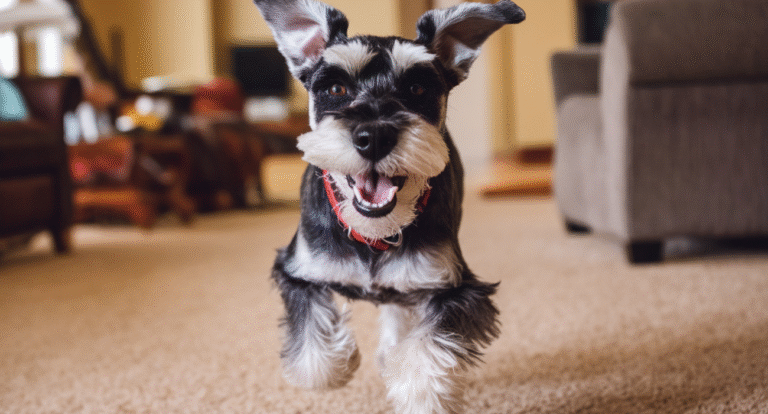
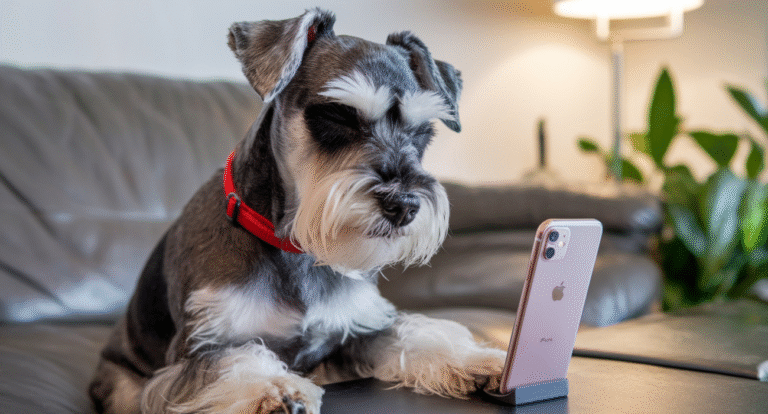
Learn the curious reason behind your Schnauzer’s treat hiding, it’s smart, instinctive, and might reveal what their nose knows about the world.
Your Schnauzer just grabbed that expensive dental chew you bought at the pet store and… disappeared. Five minutes later, you find them frantically pawing at the couch cushions, trying to bury their treasure in the upholstery. Sound familiar?
This quirky behavior isn’t just your dog being weird (though Schnauzers definitely have their moments). It’s actually a fascinating glimpse into their ancestral past, wrapped up in instinct, intelligence, and a touch of canine paranoia. Let’s dig into why your bearded buddy thinks your living room is their personal vault.
The Wild Roots of Treat Hoarding
Let’s time travel back a few thousand years. Your Schnauzer’s ancestors didn’t have the luxury of scheduled mealtimes or kibble delivered to their door. They were working dogs, sure, but before domestication, their cousins were wild canines who had to hunt, scavenge, and most importantly, survive.
When these wild dogs managed to score a meal, they couldn’t exactly pop the leftovers in a Tupperware container. Instead, they developed an ingenious solution: cache it. Burying food served multiple purposes. It kept the food away from competitors and scavengers, preserved it in the cool earth, and created a backup food supply for leaner times.
This isn’t random behavior. It’s a survival strategy hardwired into your dog’s DNA that has persisted for millennia, even though your Schnauzer’s biggest threat is running out of their favorite flavor of treats.
Fast forward to today, and your Schnauzer has never missed a meal in their life. They have zero competitors for food (unless you count the cat, which they absolutely do). Yet there they go, performing the same ancient ritual their wild relatives perfected. The instinct remains incredibly strong, triggered by certain situations that make your pup feel like they need to “save for later.”
The Psychology Behind the Behavior
Schnauzers are notoriously intelligent breeds. Originally bred as ratters and guard dogs in Germany, these dogs were selected for their problem solving skills, independence, and resourcefulness. That big brain of theirs doesn’t just turn off because they live in a house with central heating now.
Treat hiding often represents a form of resource management. Your Schnauzer is essentially thinking ahead, planning for the future. In their mind, they’re being incredibly clever and responsible. Why eat everything now when you could save some for later? It’s actually quite logical, even if it means you’re constantly finding petrified biscuits in your shoes.
The behavior also ties into your dog’s sense of security and control. When a Schnauzer hides a treat, they’re exercising autonomy over their resources. This can be especially pronounced if:
- They feel anxious about food availability
- They’ve experienced food scarcity in the past (common in rescue dogs)
- They’re overwhelmed by receiving too many treats at once
- They simply aren’t hungry right now but don’t want to waste the goodies
Interestingly, the hiding behavior often intensifies when dogs receive high value treats. That cheap milk bone? They might eat it immediately. But that premium salmon jerky or that coveted bully stick? That’s treasure worth protecting and saving.
Schnauzer Specific Quirks
While many dog breeds hide treats, Schnauzers bring their own special flair to the activity. These dogs have personality in spades, and their hiding habits often reflect their unique characteristics.
Miniature Schnauzers, in particular, tend to be more prone to hoarding behavior. Their terrier heritage means they have strong prey drive and territorial instincts. They were bred to hunt and kill rats, which required them to be possessive, focused, and willing to guard their catches. This translates into modern life as a dog who views their treats as precious commodities worth hiding.
Standard and Giant Schnauzers may show this behavior less frequently, but when they do, they often choose more elaborate hiding spots. Their larger size and working dog background means they can be more creative with their stashing locations.
One uniquely Schnauzer trait? The “fake out” hide. Your Schnauzer might go through all the motions of hiding a treat in one location, making a big show of it, only to pick it back up and actually hide it somewhere completely different. Sneaky little things, aren’t they?
Common Hiding Spots (And Why They Choose Them)
If you’re constantly playing hide and seek with your Schnauzer’s treats, you’re not alone. These crafty canines have favorite spots, and understanding their logic can help you predict where to check before that forgotten treat becomes a science experiment.
| Hiding Location | Why They Choose It |
|---|---|
| Under couch cushions | Soft, easy to “dig,” smells like their humans |
| In your bed/pillows | Ultimate comfort zone, strong scent association |
| Corners of rooms | Natural den instinct, feels secure and enclosed |
| Behind furniture | Out of sight, protected from “threats” |
| In laundry piles | Soft, constantly changing, masks treat scent |
| Potted plants | Closest thing to actual earth in the house |
| Under rugs/carpets | Mimics natural burial behavior |
The most important factor in hiding spot selection? Scent coverage. Your Schnauzer wants to hide their treasure somewhere that either masks the smell from competitors or is saturated with comforting, familiar scents (like your dirty laundry… you’re welcome).
When Treat Hiding Becomes Problematic
Most of the time, treat hiding is harmless and even entertaining. But occasionally, this behavior can signal underlying issues or create problems you’ll need to address.
Excessive hoarding might indicate anxiety about resources. If your Schnauzer is hiding every single treat they receive and showing guarding behavior around their stash spots, they might be experiencing stress about food security. This is particularly common in dogs with rescue backgrounds or those who’ve experienced food scarcity.
Watch for signs like:
- Aggressive behavior when you approach hiding spots
- Refusing to eat meals because they’re too focused on hiding treats
- Obsessive hiding that interferes with daily activities
- Anxiety or distress when unable to hide things
Another concern? Forgotten treats that spoil or attract pests. That piece of chicken your Schnauzer buried in the couch three weeks ago isn’t getting better with age. Regular “treasure hunts” through your house can prevent nasty surprises and potential health hazards.
Food hoarding that escalates to resource guarding requires immediate attention. If your Schnauzer growls, snaps, or shows aggression when you discover their hiding spots, consult with a professional dog trainer or veterinary behaviorist.
Some Schnauzers also hide things that aren’t treats, which can range from amusing to problematic. If your dog is stashing your TV remote, your kids’ toys, or other household items, they might be expressing anxiety, boredom, or seeking attention. This expanded hoarding behavior deserves a closer look.
Managing and Redirecting the Behavior
You don’t necessarily need to eliminate treat hiding (remember, it’s natural!), but you can manage it to work better for your household.
Give them appropriate outlets
Consider getting a digging box filled with sand or soil where your Schnauzer can “bury” things to their heart’s content. Many Schnauzer owners report that providing this designated digging area significantly reduces unwanted hiding in furniture and bedding.
Adjust treat timing and portions
If your dog consistently hides treats, try offering smaller treats more frequently rather than big high value items all at once. This reduces the overwhelming “must protect this precious resource” response. You might also experiment with giving treats right before meal times when they’re more likely to eat them immediately.
Increase mental stimulation
Sometimes treat hiding intensifies when dogs are bored. Make sure your Schnauzer gets plenty of exercise, training, and puzzle toys. A tired, mentally stimulated Schnauzer is less likely to obsess over treat management.
Use interactive feeders
Use interactive feeders for treats instead of just handing them over. Puzzle toys and treat dispensing balls encourage immediate consumption through play rather than triggering the hide response. Plus, it satisfies your Schnauzer’s need to “work” for their food, which appeals to their working dog heritage.
For Schnauzers who hide treats due to anxiety, building confidence through positive reinforcement training can help. Teaching commands, practicing tricks, and providing predictable routines all contribute to a more secure, less anxious dog who doesn’t feel the need to desperately hoard resources.
The Bottom Line on Your Schnauzer’s Secret Stashes
Your Schnauzer’s treat hiding habit is equal parts adorable, annoying, and absolutely normal. It connects them to their ancestral roots while showcasing the quirky intelligence that makes this breed so entertaining to live with. Whether they’re performing elaborate fake burials on your hardwood floor or creating a treat empire inside your couch, they’re just being dogs.
Understanding why they do it helps you appreciate the behavior rather than fight against thousands of years of evolution. Plus, it makes for great stories at the dog park. And honestly? The day you stop finding surprise treats hidden around your house might be the day you actually miss this goofy habit. Well, maybe not the petrified ones stuck to your pillowcase.
So the next time you catch your bearded friend pawing at thin air trying to bury a biscuit, just smile and appreciate the fact that underneath all that grooming and those stylish eyebrows lives the heart of a wild animal. A very pampered, well fed wild animal who thinks your sofa cushions are the perfect food vault.