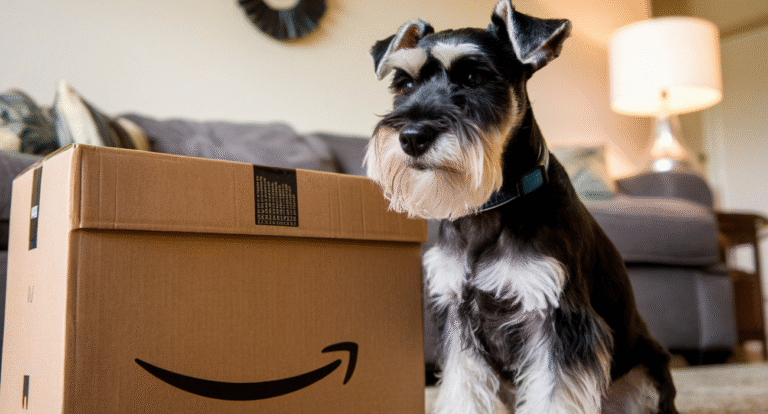
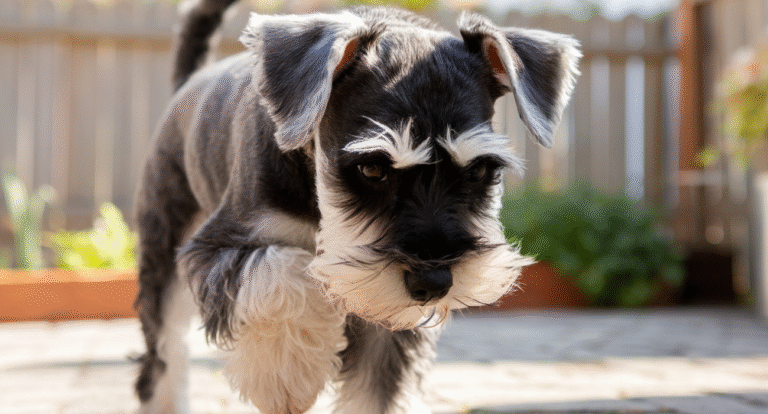
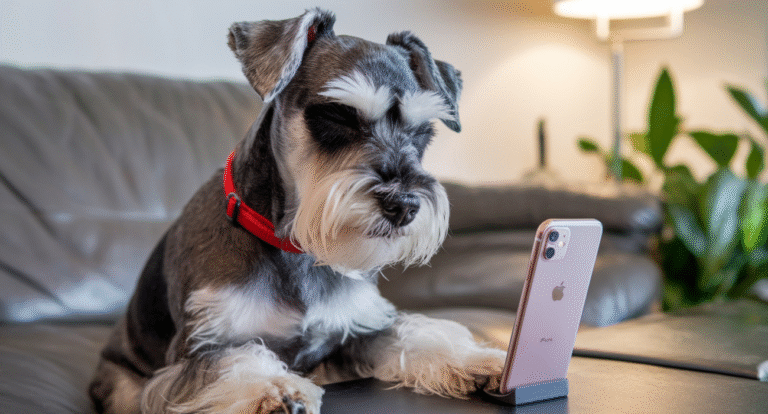
Ever notice a corn chip smell coming from your dog’s paws? Learn why it happens and how simple fixes can keep them fresh.
Pop quiz: What do your Schnauzer’s paws and a bag of tortilla chips have in common? If you guessed “they smell suspiciously similar,” congratulations! You’ve discovered one of pet ownership’s most bizarre yet common mysteries.
This peculiar scent has baffled dog owners for generations. Some describe it as Fritos, others say Doritos, and a brave few admit their dog smells like they’ve been rolling in a vat of corn chip batter. Whatever your specific snack comparison, the cause is the same. And yes, there’s actual science behind why your sophisticated Schnauzer smells like junk food.
The Science Behind Frito Feet
Let’s get nerdy for a moment. That corn chip smell emanating from your Schnauzer isn’t coming from some bizarre metabolic process that turns dog sweat into snack food. Instead, it’s caused by bacteria and yeast that naturally live on your dog’s skin.
Two main culprits are responsible for the snack attack: Pseudomonas and Proteus bacteria. These microscopic organisms set up camp on your dog’s paws, in their fur, and sometimes around their ears. When they multiply and break down sweat and oils, they produce organic compounds that smell distinctly like corn chips.
Your Schnauzer’s paws are the perfect bacterial vacation resort. Think about it: they’re warm, sometimes moist (especially between those toe pads), and they make contact with all sorts of surfaces throughout the day. It’s basically a five-star hotel for microorganisms.
The “Frito feet” smell is simply the natural byproduct of bacteria doing what bacteria do best: existing on your dog’s skin and creating aromatic compounds as they metabolize.
Why Schnauzers Are Particularly Prone
Schnauzers, with their distinctive beards and wiry coats, have some unique characteristics that can make them especially susceptible to that corn chip aroma. Their double coat traps moisture and warmth, creating an ideal environment for bacterial growth. Plus, those adorable bearded faces? They collect everything from food particles to water, which can contribute to funky smells.
The breed’s compact paws also play a role. Miniature, Standard, and Giant Schnauzers all have relatively tight toe spacing, which means less air circulation between paw pads. Add in their propensity for skin conditions (Schnauzers can be prone to seborrhea and other dermatological issues), and you’ve got a recipe for some seriously aromatic paws.
Their lifestyle matters too. Schnauzers are active, curious dogs who love investigating every corner of their environment. More outdoor adventures equal more opportunities for bacteria to accumulate and throw a party on those paws.
When Corn Chip Smell Is Normal vs. Concerning
Here’s where things get important. A mild corn chip scent? Totally normal and nothing to worry about. It’s just your dog being a dog, complete with their own natural microbiome doing its thing.
But when should you actually be concerned? Let’s break it down with some clear indicators.
| Normal Corn Chip Smell | Red Flag Territory |
|---|---|
| Mild, occasional scent especially after activity | Strong, persistent odor that permeates the room |
| Noticeable mainly on paws | Smell accompanied by excessive licking or chewing |
| No visible skin changes | Redness, swelling, or discharge on paws or skin |
| Your dog seems comfortable | Signs of discomfort like limping or favoring a paw |
| Easily managed with regular grooming | Smell persists despite frequent bathing |
If your Schnauzer’s corn chip aroma has crossed into “overwhelming nacho cheese factory” territory, it might indicate an actual yeast or bacterial infection. These require veterinary attention because they can cause your pup significant discomfort.
Watch for additional symptoms like:
- Excessive paw licking or biting
- Discolored fur (often reddish or brown from saliva staining)
- Crusty or flaky skin
- Hot spots or raw areas
- A sour or particularly foul odor (different from the typical corn chip smell)
How to Minimize the Frito Feet Phenomenon
Regular Paw Maintenance
The single most effective way to reduce that corn chip aroma is keeping your Schnauzer’s paws clean and dry. After walks, especially in wet or muddy conditions, take thirty seconds to wipe down those paws with a damp cloth or pet-safe wipe. Focus on getting between the toe pads where moisture and debris love to hide.
Consider a dedicated paw washing routine. You don’t need anything fancy; a shallow container with lukewarm water and a gentle pet shampoo works perfectly. Make it a positive experience with treats and praise, and your Schnauzer will actually look forward to their little foot spa sessions.
Drying is crucial. Bacteria thrive in moisture, so after cleaning, gently pat those paws dry with a towel. Pay special attention to the spaces between toes. Some Schnauzer owners even use a blow dryer on the cool setting, though this requires patience and treats to keep your pup cooperative.
Grooming and Coat Care
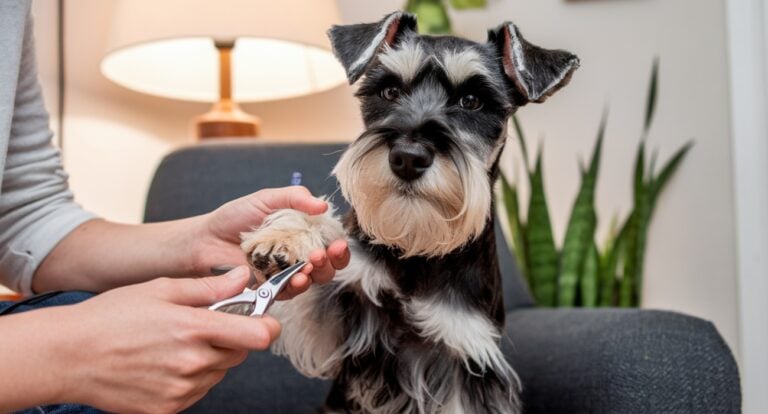
Your Schnauzer’s magnificent coat requires regular maintenance anyway, but strategic grooming can significantly reduce funky smells. Keep the fur between paw pads trimmed short. This improves air circulation and prevents moisture and debris from accumulating in those fuzzy little crevices.
Regular professional grooming every six to eight weeks helps maintain overall hygiene. A skilled groomer will trim paw fur, clean ears, and address any areas where bacteria might be setting up camp. Between professional grooms, maintain their coat with regular brushing to prevent matting, which can trap moisture against the skin.
Keeping your Schnauzer’s coat properly maintained isn’t just about aesthetics; it’s a fundamental component of their overall health and hygiene that directly impacts how they smell.
Diet and Overall Health
Sometimes what goes in your Schnauzer affects what comes out in terms of smell. A high-quality diet supports healthy skin and coat, which can influence bacterial growth and overall odor. Look for foods with quality protein sources, omega fatty acids, and minimal fillers.
Some dogs develop food sensitivities that manifest as skin issues, which can contribute to yeast overgrowth and stronger odors. If you suspect diet might be playing a role, consult your veterinarian about elimination diets or allergy testing.
Supplements like omega-3 fatty acids can support skin health from the inside out. Probiotics might also help, as they support a healthy bacterial balance throughout your dog’s body, including on their skin.
Environmental Factors to Consider
Indoor Air and Humidity
The environment where your Schnauzer lives affects their skin and coat. Homes with very high humidity encourage bacterial and yeast growth. If you live in a humid climate or your home feels muggy, a dehumidifier can help create a less hospitable environment for the microorganisms causing that corn chip smell.
Conversely, excessively dry air can cause skin irritation that leads to increased scratching and licking, which introduces more moisture and bacteria. Finding the right balance (typically between 30-50% humidity) supports healthy skin.
Bedding and Living Spaces
When was the last time you washed your Schnauzer’s bed? Their sleeping areas can harbor bacteria, which then transfer back to your freshly cleaned pup. Wash bedding weekly in hot water, and consider having two sets so one is always available while the other is being cleaned.
Hard floors are better than carpet for managing doggy odors. If your Schnauzer spends time on carpets or rugs, vacuum frequently and consider occasional deep cleaning. Those fibers can trap moisture, bacteria, and dander, all of which contribute to ambient funkiness.
Treatment Options for Persistent Issues
Over-the-Counter Solutions
For mild cases of extra-fragrant Frito feet, several products can help. Antiseptic wipes designed for pets contain ingredients like chlorhexidine that reduce bacterial populations without being harsh. Use them daily on paws after outdoor activities.
Medicated shampoos containing antifungal or antibacterial ingredients (like ketoconazole or benzoyl peroxide) can address mild yeast or bacterial issues. Use these products as directed, typically once or twice weekly rather than daily, to avoid stripping natural oils and causing skin irritation.
Paw balms and moisturizers protect paw pads while creating a barrier against excessive moisture and bacteria. Apply after cleaning and drying for best results.
When to See the Vet
If home remedies aren’t cutting it, it’s time for professional help. Your veterinarian can perform skin scrapings or cultures to identify exactly what’s causing the smell and prescribe appropriate treatments.
Prescription-strength antifungal or antibiotic medications might be necessary for genuine infections. These come in various forms: oral medications, topical creams, or medicated shampoos. Follow your vet’s instructions precisely for the full treatment duration, even if the smell improves quickly.
Some Schnauzers develop chronic skin conditions requiring ongoing management. Your vet might recommend regular medicated baths, specific dietary changes, or immunotherapy if allergies are involved.
Sometimes that corn chip smell is your dog’s way of telling you something needs attention. Trust your instincts, and never hesitate to consult your veterinarian if something seems off.
Prevention Strategies for Long-Term Success
Building a Routine
Consistency is everything when managing your Schnauzer’s hygiene. Create a realistic routine you can actually maintain, which might include:
- Daily tasks: Quick paw wipes after walks, checking paws for debris or injuries, brushing to prevent matting
- Weekly tasks: More thorough paw cleaning with shampoo, washing bedding, ear cleaning
- Monthly tasks: Nail trimming, sanitary area trimming, deep cleaning of favorite lounging spots
- Professional grooming: Every six to eight weeks
Seasonal Adjustments
Your Schnauzer’s hygiene needs change with the seasons. Summer brings more outdoor activity, swimming, and humidity, all of which increase bacterial growth. You might need more frequent paw cleanings and baths during warmer months.
Winter presents different challenges with salt, ice melt chemicals, and dry indoor heating. Protect paws with balms before walks, and always rinse off any de-icing products, which can irritate skin and disrupt the natural bacterial balance.
Rainy seasons require extra vigilance about drying paws thoroughly. Wet paws left damp are basically an all-you-can-eat buffet invitation for odor-causing bacteria.
The Bottom Line on Your Schnauzer’s Snack-Scented Paws
That corn chip smell is usually just your Schnauzer being a perfectly normal dog with a natural bacterial ecosystem doing its thing. For most pups, a mild Frito aroma is nothing to stress about. It’s simply part of the wonderful, weird experience of sharing your life with a bearded, four-legged companion.
Focus on good hygiene practices, keep those paws clean and dry, and maintain regular grooming. These simple habits will keep your Schnauzer comfortable and minimize any overwhelming snack food associations. And remember, a little corn chip scent just means you’re a real dog owner who’s in the trenches of actual pet parenthood, funky smells and all.
Your Schnauzer doesn’t care if they smell like a trip to the gas station snack aisle. They’re just happy to be with you, Frito feet and all.