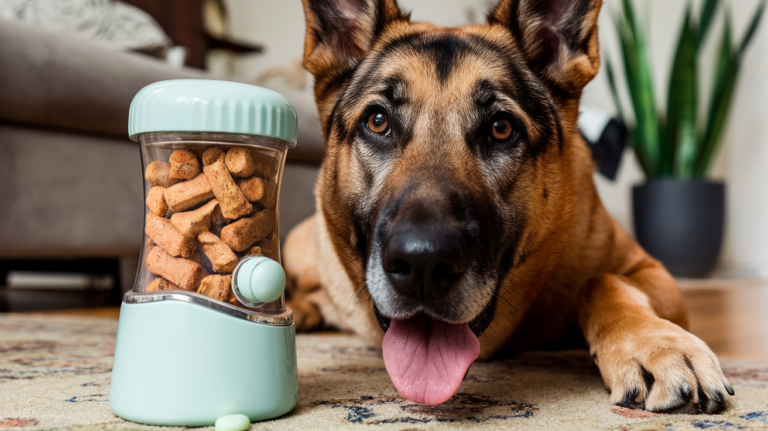
Behavior issues don’t fix themselves. Learn the most common problems and why addressing them early makes everything easier.
Your German Shepherd is eating your furniture. Or maybe they’re barking at literally everything that moves past your window. Perhaps they’ve decided that your mailman is public enemy number one. Sound familiar? You’re definitely not alone. German Shepherds are prone to specific behavior issues that can escalate quickly if you ignore them.
But here’s the good news: these behaviors are predictable and fixable. German Shepherds aren’t stubborn or “bad dogs.” They’re incredibly trainable animals who are desperately trying to tell you something. Maybe they’re bored out of their minds, or anxious, or just haven’t been taught what you actually want from them. Once you understand why these behaviors happen, you can fix them surprisingly fast.
Excessive Barking and Vocalization
German Shepherds have a lot to say, and they’re not shy about saying it. This breed was developed to alert shepherds to potential threats, which means they have a lower threshold for sounding the alarm than many other breeds. Your GSD isn’t being annoying on purpose; they’re literally doing what centuries of breeding programmed them to do.
The problem escalates when barking becomes the default response to everything. Neighbors walking by, delivery trucks, leaves blowing in the wind… suddenly your dog is providing live commentary on every single event in a three block radius. This doesn’t just annoy your neighbors; it also keeps your dog in a constant state of arousal and stress.
Why It Happens
Boredom is the number one culprit. A German Shepherd with nothing to do will create something to do, and barking at stimuli provides mental engagement. They’re also incredibly vigilant by nature. Without proper training, they struggle to distinguish between actual threats and normal everyday occurrences.
Additionally, many owners accidentally reinforce barking behavior. When your dog barks and you immediately react (even negatively), you’re giving them attention. To a bored German Shepherd, negative attention is still better than no attention.
How to Address It
Exercise is non-negotiable. A tired German Shepherd is a quiet German Shepherd. We’re talking serious physical activity here, not just a leisurely stroll around the block. These dogs need at least 60 to 90 minutes of vigorous exercise daily, split into multiple sessions.
Teach a solid “quiet” command using positive reinforcement. When your dog stops barking (even for just a second), immediately reward them. Gradually increase the duration of silence required before they get the treat. Mental stimulation through puzzle toys, training sessions, and nose work can be just as exhausting as physical exercise.
Your German Shepherd’s excessive barking isn’t defiance or stupidity. It’s a symptom of unmet needs, insufficient training, or both. Address the root cause, not just the noise.
Separation Anxiety and Destructive Behavior
German Shepherds bond intensely with their families. This loyalty is one of their most endearing traits, but it also makes them prone to separation anxiety. When you leave, your dog isn’t just sad; they can experience genuine panic. This manifests as destructive behavior, excessive drooling, pacing, and sometimes even self-harm.
The destruction isn’t revenge. Your dog isn’t “punishing” you for leaving. They’re experiencing such severe anxiety that chewing, digging, and destroying things becomes a coping mechanism. It’s similar to how humans might pace or fidget when extremely nervous.
Recognizing the Signs
True separation anxiety is different from boredom-based destruction. Dogs with separation anxiety typically start showing distress immediately when you prepare to leave. They might follow you from room to room, whine, or try to block the door. The destruction usually happens within the first 30 minutes of your departure and is often focused near exits.
| Separation Anxiety | Boredom/Under-stimulation |
|---|---|
| Destruction starts immediately after departure | Destruction occurs randomly throughout the day |
| Dog shows distress during pre-departure routine | Dog is calm when you leave |
| Destruction focused near doors/windows | Destruction is more random or comfort-focused |
| Dog may injure themselves trying to escape | Dog is safely destructive (chewing appropriate items) |
| Excessive drooling, pacing, vocalization | Quiet destruction with no distress signals |
Breaking the Cycle
Desensitization is your best tool. Start by making your departure routine meaningless. Pick up your keys, put on your shoes, then just sit back down. Do this dozens of times until your dog stops reacting. Then open the door and come right back in. Gradually extend your absences by seconds, then minutes.
Create a positive association with alone time. Give your dog a special treat or toy that they only get when you leave. A frozen Kong stuffed with peanut butter can keep them occupied and help them form positive associations with your departure.
Never make a big deal about leaving or returning. Those emotional goodbyes actually increase anxiety. Treat your departures and arrivals as completely mundane events. Your calm energy signals to your dog that being alone is no big deal.
Leash Reactivity and Aggression
Few things are more stressful than walking a German Shepherd who loses their mind every time they see another dog, person, or bicycle. Leash reactivity is incredibly common in this breed, and it often gets mislabeled as aggression. While some German Shepherds are genuinely aggressive, most reactive dogs are actually fearful or frustrated.
Understanding Leash Reactivity
On leash, your dog can’t follow their natural instincts to approach or retreat. They’re stuck in this middle ground where they feel vulnerable. German Shepherds are naturally protective, and when they can’t properly assess a situation (because you’re dragging them past it), they default to the “make it go away” response, which looks like barking, lunging, and general chaos.
Frustration-based reactivity happens when dogs desperately want to greet other dogs but can’t. This creates an emotional explosion that looks scary but isn’t rooted in true aggression. Fear-based reactivity, on the other hand, comes from a dog who wants distance and uses aggressive displays to create it.
The Training Approach
Traditional “corrections” usually make leash reactivity worse. When you yank the leash or use punishment while your dog is already stressed, you’re just adding more negative associations to an already tense situation. Instead, focus on counter-conditioning.
This means changing your dog’s emotional response to triggers. Every time they see another dog (but before they react), start feeding them high-value treats continuously until the trigger passes. Eventually, your dog will start associating other dogs with good things happening, rather than as threats.
Leash reactivity thrives on proximity and tension. Give your dog space, manage their environment, and reward calm behavior relentlessly. You’re not negotiating with the behavior; you’re rebuilding their emotional response from the ground up.
Distance is your friend. Don’t force your reactive dog into situations they can’t handle. If you see a trigger approaching, create distance immediately. Cross the street, step behind a car, or turn and walk the other direction. Training happens at the distance where your dog can still think and take treats.
Nipping and Mouthing Behaviors
German Shepherd puppies are basically adorable land sharks. Those sharp little teeth seem to find every exposed bit of skin, and what starts as cute puppy behavior can quickly become a painful problem if not addressed immediately.
Puppy Mouthing vs. Problem Behavior
All puppies explore the world with their mouths. It’s normal. However, German Shepherds have strong jaws and a herding background, which means they’re naturally inclined to use their mouths to control movement. Without intervention, puppy mouthing can evolve into problematic adult nipping.
The key distinction is intensity and context. Gentle mouthing during play is different from hard biting that leaves marks. Similarly, a puppy who mouths when excited is different from one who bites when frustrated or overstimulated.
Teaching Bite Inhibition
Yelp and withdraw is the most effective method. When your puppy bites too hard, make a high-pitched “ow!” sound and immediately stop all interaction. Stand up, turn away, or leave the room for 10 to 15 seconds. This mimics how other puppies would respond and teaches your dog that biting ends all the fun.
Redirect to appropriate items. Keep a toy handy at all times. When your puppy goes for your hand, immediately offer the toy instead. Praise enthusiastically when they take the toy. You’re teaching them what they should bite, not just what they shouldn’t.
Ensure your puppy gets enough sleep. Overtired puppies are bitey puppies. German Shepherd puppies need 18 to 20 hours of sleep per day. If your puppy is turning into a demon, they probably need a nap, not more stimulation.
Jumping on People
A 70 to 90 pound German Shepherd launching themselves at guests is dangerous, not cute. This behavior often starts when they’re puppies (because it is kind of cute then), but it becomes problematic fast. The underlying motivation is usually excitement and a desire for attention.
Why Jumping Persists
We accidentally reinforce it constantly. When your dog jumps, what happens? You look at them, you talk to them, you push them down (which they interpret as play), or you try to pet them to calm them down. All of these responses equal attention, which is exactly what your dog wanted in the first place.
Consistency is where most people fail. Your dog will continue jumping as long as it works sometimes. If nine people ignore the jumping but one person pets your dog while they’re jumping, you’ve just put that behavior on an intermittent reinforcement schedule, which actually makes it more persistent.
The Solution
Teach an incompatible behavior. Your dog can’t jump and sit simultaneously. Train a solid “sit” or “four on the floor” behavior and reward it heavily. When guests arrive, ask your dog to sit before they have a chance to jump. The second all four paws are on the ground, they get attention, treats, and praise.
Management is crucial during the training phase. If you know your dog will jump, prevent the rehearsal of that behavior. Use a leash, baby gates, or keep them in another room until guests are settled. Every time your dog successfully jumps on someone, you’re making the habit stronger.
| Common Behavior Issue | Primary Cause | Quick Fix Strategy |
|---|---|---|
| Excessive Barking | Boredom, lack of training, natural vigilance | Increase exercise, teach “quiet” command, manage environment |
| Separation Anxiety | Over-attachment, lack of independence training | Gradual desensitization, create positive alone-time associations |
| Leash Reactivity | Fear, frustration, insufficient socialization | Counter-conditioning, increase distance from triggers |
| Nipping/Mouthing | Normal puppy behavior, herding instinct | Yelp and withdraw, redirect to toys, ensure adequate rest |
| Jumping on People | Attention-seeking, excitement, inconsistent boundaries | Reward incompatible behaviors, ensure consistency from all humans |
Resource Guarding
Some German Shepherds develop possessive behaviors around food, toys, or even people. This can range from mild (tensing up when you approach their bowl) to severe (growling or snapping). Resource guarding is rooted in fear, specifically the fear that valuable resources will be taken away.
Recognizing the Warning Signs
Early signs include: stiffening when you approach while they have something, eating faster when you walk by, turning their body to block access to an item, or giving “whale eye” (showing the whites of their eyes while tracking your movement). Never ignore these signals. They’re your dog’s way of saying they’re uncomfortable, and if you push through them, they may escalate to more serious aggression.
Safe Modification Techniques
Never take things away from a resource-guarding dog as punishment or to “show them who’s boss.” This confirms their fear and makes the guarding worse. Instead, teach them that your presence near their valuable items predicts even better things.
Start at a distance where your dog is comfortable. Toss high-value treats toward them while they have their resource, then walk away. You’re teaching them that you approaching means good things appear, not that things get taken. Gradually decrease distance over multiple sessions.
Practice “trading up.” Offer something better in exchange for what they have. If your dog has a toy, offer a piece of chicken in exchange. Once they drop the toy, give them the chicken and the toy back. This teaches that giving things to you isn’t permanent and results in even better outcomes.
Resource guarding is a fear-based behavior, not dominance. Your dog isn’t trying to control you; they’re trying to protect what they perceive as scarce and valuable. Punishment will escalate the behavior. Trust-building and positive associations will resolve it.
The Bottom Line on German Shepherd Behavior
These behavior issues don’t mean German Shepherds are “difficult” dogs. They’re highly intelligent, sensitive animals who need appropriate outlets for their energy and clear, consistent guidance. Most problems emerge when there’s a mismatch between what the dog needs and what they’re getting.
Start addressing these issues immediately. Behaviors that seem minor in a puppy become major problems in an adult dog. A 12 week old puppy jumping is cute; a fully grown German Shepherd doing the same thing can knock over children and elderly people. Small behavior issues snowball into big ones when ignored.
The beautiful part about German Shepherds? They’re so trainable. These dogs genuinely want to work with you and please you. When you provide clear communication, adequate exercise, and consistent training, they transform into absolutely magnificent companions. The effort you put in during the first year or two pays dividends for the next decade of your dog’s life.
Remember that professional help is valuable. If you’re dealing with serious aggression, severe separation anxiety, or behaviors that make you feel unsafe, contact a certified professional dog trainer or veterinary behaviorist. There’s no shame in getting expert guidance, especially with a powerful breed like the German Shepherd.
Your German Shepherd isn’t giving you these challenges because they’re bad. They’re communicating that something in their world needs to change. Listen to what they’re telling you, address it promptly, and you’ll have an incredible partnership with one of the most remarkable breeds on the planet.