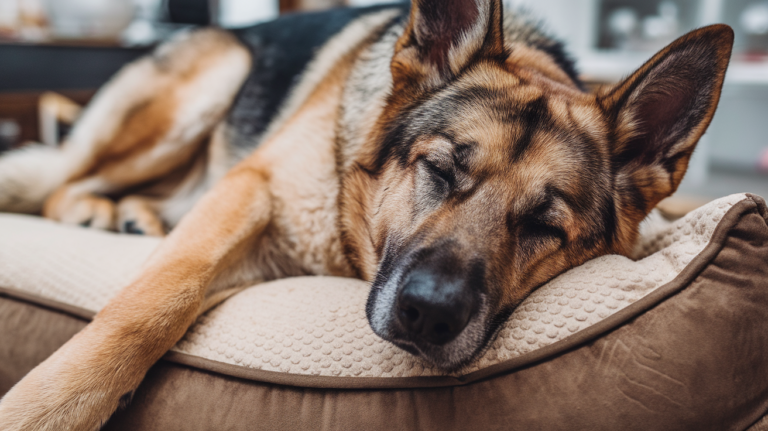
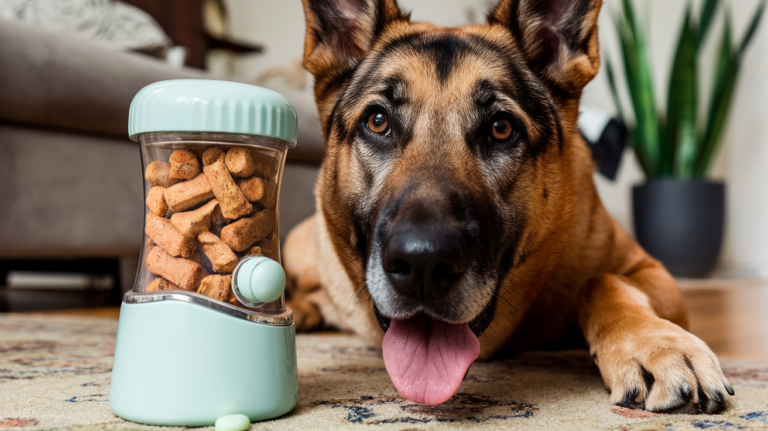
A peaceful night starts with the right routine. These bedtime habits help your German Shepherd relax, settle faster, and sleep through the night.
Your German Shepherd is pacing the hallway at 2 AM again. You can hear those clickety-clack nails on the hardwood, and you’re wondering if you’ll ever get a full night’s sleep. Sound familiar? You’re not alone in this midnight struggle.
Here’s the good news: German Shepherds aren’t trying to drive you crazy with their nighttime antics. These intelligent, high-energy dogs simply need the right evening routine to help them settle down. Once you crack the code, you’ll both be sleeping like puppies in no time.
1. The Power Hour: Exercise That Actually Exhausts
Here’s where most people get it wrong. They think any exercise will do, but German Shepherds need purposeful physical activity that actually tires them out. We’re talking about the kind of workout that leaves them pleasantly exhausted, not just mildly interested.
Timing is everything here. You want to schedule intense exercise about 2-3 hours before bedtime. Why not right before bed? Because exercise actually pumps up adrenaline and cortisol, which can make your dog more wired initially. Give their body time to process that workout and naturally wind down.
What qualifies as proper exercise for a German Shepherd? Forget the lazy stroll around the neighborhood. We’re talking:
- A vigorous 45-60 minute hike with varied terrain
- Intense fetch sessions with sprinting involved
- Swimming (if available), which is incredibly tiring
- Agility training or obstacle courses
- Bike rides where they can really run
The difference between a tired German Shepherd and an exercised German Shepherd is the difference between peaceful sleep and midnight chaos. One has burned through their energy reserves; the other just got warmed up.
Here’s a comparison of exercise types and their effectiveness:
| Exercise Type | Duration Needed | Effectiveness for Nighttime Calm | Mental Stimulation |
|---|---|---|---|
| Casual walk | 30-45 min | Low | Low |
| Vigorous fetch | 30-40 min | High | Medium |
| Swimming | 20-30 min | Very High | Medium |
| Hiking (varied terrain) | 45-60 min | Very High | High |
| Agility training | 30-45 min | High | Very High |
The beauty of this approach? You’re not just tiring out their body; you’re satisfying their working dog instincts. German Shepherds were bred to have jobs, and intense physical activity mimics that purpose-driven work they crave.
2. Mental Gymnastics: Tire Out That Big Brain
Physical exercise alone won’t cut it. German Shepherds are ridiculously intelligent, and if their brain isn’t tired, neither is the rest of them. It’s like trying to sleep when you’ve had too much coffee… your body might be still, but your mind is racing.
Mental stimulation about 1-2 hours before bed is crucial. This is when you break out activities that make them think. Puzzle feeders are pure gold here. Instead of just dumping dinner in a bowl, make them work for it. Snuffle mats, Kong toys stuffed with frozen treats, or puzzle boards that require them to slide pieces around create the kind of mental exhaustion that leads to deep sleep.
Training sessions are another secret weapon. Spend 15-20 minutes practicing commands, learning new tricks, or working on challenging behaviors. The concentration required is surprisingly draining. Plus, ending on a successful note gives them that satisfied feeling of a job well done (remember, they’re working dogs at heart).
Here’s the thing about mental stimulation: it’s cumulative. One puzzle toy won’t necessarily do it, but combine that with a training session, add in some hide-and-seek with treats, and suddenly you’ve got a dog whose brain is pleasantly fried.
3. The Wind-Down Window: Creating Calm Before the Storm
About an hour before bed, it’s time to actively create a calm environment. This is where you shift gears from stimulating to soothing. Think of it as the canine equivalent of putting on pajamas and dimming the lights.
Start by lowering the energy in your home. Dim the lights, turn off stimulating TV shows (seriously, those high-pitched noises and fast movements can keep them alert), and switch to calm activities. This might be when you settle in with a book or watch something mellow.
Your German Shepherd will pick up on these environmental cues. Dogs are incredibly attuned to routine and patterns. When the same sequence happens every night, their body starts to anticipate sleep. It’s like Pavlov’s bells, but for bedtime.
Consistency transforms random activities into powerful sleep signals. When your German Shepherd sees the same sequence every single night, their brain starts releasing sleep hormones right on schedule.
Consider adding calming activities during this window:
- Gentle brushing or massage (physical touch can be incredibly soothing)
- Quiet time in their designated sleeping area
- Chewing on an appropriate long-lasting chew (like a bully stick), which has a naturally calming effect
- Playing soft classical music or white noise
Some German Shepherd owners swear by calming supplements or pheromone diffusers during this time. While these aren’t magic bullets, they can complement your routine nicely. Just check with your vet first.
4. The Bathroom-to-Bedtime Protocol: Eliminate the Midnight Wake-Ups
Let’s talk about something nobody wants to discuss at 3 AM: bathroom emergencies. Nothing ruins a peaceful night faster than a German Shepherd who needs to go right now. The solution? A rock-solid pre-bedtime bathroom routine.
About 30 minutes before lights out, take your dog outside for their final bathroom break of the night. This isn’t a quick pop outside; make sure they actually go. Sometimes dogs get distracted by interesting smells or sounds, so you might need to walk them around a bit to encourage business.
Here’s the pro tip: keep this outing calm and boring. No playing, no excitement, just business. Use a specific phrase like “last call” or “bedtime potty” so they start associating those words with the purpose of this particular trip outside.
After they’ve done their business, bring them back inside and go straight into your bedtime routine. No detours for play, no stopping for treats (unless treats are part of your specific routine). You want a clear pathway from bathroom to bed.
For puppies or dogs still learning bladder control, you might need to limit water intake about an hour before bed. This doesn’t mean denying them water all evening (that’s not healthy), just being strategic about timing. Make sure they have plenty of access to water throughout the day and early evening.
5. The Sacred Sleep Space: Make Their Bed Irresistible
Where your German Shepherd sleeps matters enormously. These dogs are den animals at heart; they crave a space that feels safe, secure, and undeniably theirs. Getting this right can be the difference between a dog who settles immediately and one who roams all night.
First, location, location, location. German Shepherds are protective by nature and often prefer sleeping where they can monitor entry points. Many do best in or near their owner’s bedroom. This satisfies their guarding instincts while keeping them close to their pack. If bedroom sleeping isn’t your thing, choose a quiet area away from high-traffic zones and windows where they might see or hear things that trigger their alert response.
The actual sleeping surface matters too. Invest in a quality orthopedic bed, especially for adult dogs. German Shepherds are prone to hip and joint issues, and a supportive bed isn’t a luxury; it’s a health necessity. Memory foam options that provide cushioning for pressure points can significantly improve sleep quality.
Temperature control is another often overlooked factor. With that thick double coat, German Shepherds can overheat easily. Keep their sleeping area cool (around 65-70°F is ideal). Some dogs appreciate elevated beds that allow air circulation, especially in warmer months.
Create positive associations with their sleep space. Feed them occasional treats there, place their favorite toys nearby, and never use it as a punishment spot. You want them to genuinely want to go to their bed. When bedtime comes, a simple “go to bed” command should have them heading there willingly.
Consider using a crate if your German Shepherd is crate trained. Many dogs find crates incredibly comforting (that den instinct again). Just make sure it’s large enough for them to stand, turn around, and stretch out comfortably. Cover it with a blanket to create that cozy cave feeling.
The Consistency Factor
Here’s the brutal truth: these routines only work if you actually stick to them. German Shepherds thrive on predictability. When bedtime happens at roughly the same time every night, following the same sequence of events, their internal clock syncs up beautifully. Skip the routine one night, and you might be back at square one.
Think of yourself as a sleep coach for your German Shepherd. You’re not just going through motions; you’re building powerful neurological pathways that signal “it’s time to rest.” Every single repetition strengthens those pathways until calm nighttime behavior becomes automatic.
The payoff? A German Shepherd who settles peacefully, sleeps through the night, and wakes up refreshed and ready (but not TOO ready) for the next day. You get your sleep, they get theirs, and everyone’s happier for it. Now that’s what we call a win-win situation.