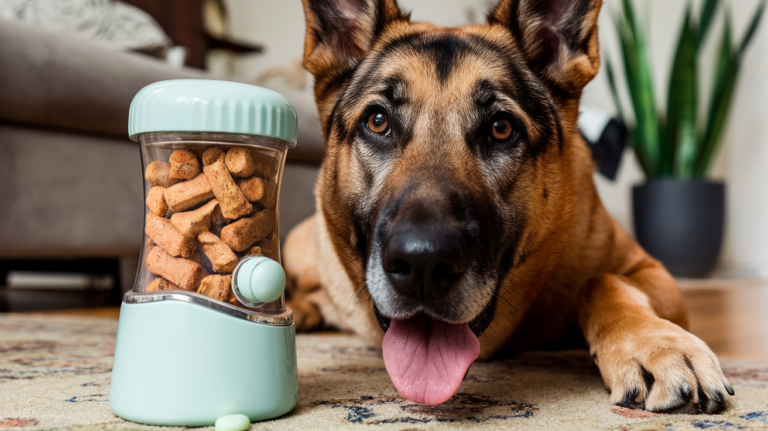
Vitamins play a crucial role in canine health. These essentials support immunity, joints, coat condition, and long-term vitality for German Shepherds.
Ever wonder why your German Shepherd seems to have unlimited energy one day and then limps slightly the next? Or why their once-shiny coat suddenly looks dull? The culprit might be hiding in plain sight: vitamin deficiencies.
These dogs were bred to herd sheep across German mountains, not lounge around eating whatever’s cheapest at the pet store. Their bodies are high-performance machines that demand high-performance nutrition. Getting their vitamins right isn’t just important; it’s absolutely critical for their wellbeing. Ready to become your dog’s personal nutritionist? Let’s get started.
1. Vitamin A: The Vision and Immunity Powerhouse
Vitamin A doesn’t mess around. This fat-soluble vitamin is absolutely crucial for maintaining your German Shepherd’s eyesight, especially as they age. Think about how often your GSD relies on their vision: tracking that suspicious squirrel, making eye contact during training, or giving you those irresistible puppy dog eyes when you’re eating dinner.
But vision is just the opening act. Vitamin A also plays a starring role in keeping your shepherd’s immune system battle ready. It maintains the integrity of their skin and mucous membranes, which serve as the first line of defense against nasty pathogens trying to invade their body.
Your German Shepherd’s skin and coat quality often reflect their vitamin A status. A deficiency can manifest in dull fur long before more serious symptoms appear.
The catch? Too much vitamin A can be toxic. German Shepherds need a Goldilocks amount: not too little, not too much, but just right. High-quality commercial dog foods usually nail this balance, but if you’re preparing homemade meals or adding supplements, you’ll want to consult your vet to avoid overshooting.
Foods naturally rich in vitamin A include liver (a favorite among dogs), carrots, and sweet potatoes. However, dogs convert beta-carotene to vitamin A less efficiently than humans do, so they need preformed vitamin A from animal sources for optimal health.
2. Vitamin D: The Bone Builder Extraordinaire
German Shepherds are prone to hip dysplasia and other skeletal issues, which makes vitamin D absolutely non-negotiable. This sunshine vitamin works hand in hand with calcium and phosphorus to build and maintain strong bones throughout your dog’s life.
Unlike humans who can synthesize vitamin D from sunlight, dogs have a much harder time doing this through their fur. They rely almost entirely on dietary sources to meet their needs. This means that indoor dogs or those living in cloudier climates face even greater risks of deficiency.
Vitamin D also influences muscle function, which matters tremendously for athletic breeds like GSDs. Weak muscles combined with a large frame? That’s a recipe for injury and chronic pain. Proper vitamin D levels help ensure your shepherd can run, jump, and play without their body betraying them.
| Vitamin D Benefits | What It Does for Your GSD |
|---|---|
| Bone Health | Promotes calcium absorption and bone mineralization |
| Muscle Function | Supports strong, coordinated movement |
| Immune Support | Regulates immune system responses |
| Cell Growth | Controls healthy cell division and growth |
The tricky part about vitamin D is that deficiency symptoms can be subtle at first. Your dog might seem a bit less energetic or have minor joint stiffness that you chalk up to a hard play session. By the time obvious problems appear, deficiency has often been ongoing for months.
3. Vitamin E: The Antioxidant Defender
If vitamins had superhero names, vitamin E would be Captain Antioxidant. This nutrient swoops in to neutralize free radicals, those troublemaking molecules that damage cells and accelerate aging. For German Shepherds, who hopefully live long lives, this protection becomes increasingly valuable over time.
Vitamin E supports multiple body systems simultaneously. It keeps your GSD’s skin healthy, their coat luxuriously shiny, and their immune system functioning at peak performance. It’s also essential for muscle development and maintenance, which matters for a breed that’s basically made of muscle.
Think of vitamin E as your German Shepherd’s internal rust prevention system. It protects cells from oxidative damage the same way a coating protects metal from corrosion.
German Shepherds with vitamin E deficiency might develop muscle weakness or vision problems. In severe cases, reproductive issues can occur. The good news? Vitamin E deficiency is relatively uncommon in dogs eating quality commercial diets, as it’s found in various plant oils, nuts, and leafy greens.
One fascinating aspect of vitamin E is how it works synergistically with selenium and vitamin C. Together, these nutrients form an antioxidant dream team that’s greater than the sum of its parts. This is why balanced nutrition beats random supplementation every single time.
4. B Vitamins: The Energy Production Complex
The B vitamin family is like a well-oiled crew working together to keep your German Shepherd energized and healthy. This group includes thiamine (B1), riboflavin (B2), niacin (B3), pantothenic acid (B5), pyridoxine (B6), biotin (B7), folate (B9), and cobalamin (B12). Each member has specific jobs, but they all contribute to energy metabolism.
These water-soluble vitamins need to be replenished regularly since your dog’s body doesn’t store them long term. They’re involved in converting food into usable energy, which is pretty important for a breed that treats every walk like an Olympic event.
B vitamins also support nervous system function, helping maintain those lightning-fast reflexes German Shepherds are famous for. They’re crucial for healthy skin and coat too, which explains why biotin supplements are often marketed for coat quality (though a deficiency is rare in balanced diets).
Different B vitamins come from different sources. Meat provides excellent B12, while whole grains offer B vitamins across the board. This diversity is one reason why varied protein sources and quality carbohydrates both have places in your GSD’s diet.
5. Vitamin K: The Clotting Champion
Vitamin K might not get as much attention as its alphabetical cousins, but it’s absolutely vital for blood clotting. Without adequate vitamin K, your German Shepherd could experience dangerous bleeding from even minor injuries. This vitamin activates proteins that help blood clot properly, essentially acting like your dog’s internal emergency response team.
There are different forms of vitamin K. K1 comes from leafy green vegetables, while K2 is produced by bacteria in your dog’s gut. Healthy dogs typically synthesize enough K2 internally, but those on long term antibiotics might need supplementation since antibiotics can disrupt beneficial gut bacteria.
Vitamin K works quietly in the background until it’s desperately needed. You’ll never notice adequate levels, but you’ll definitely notice a deficiency if bleeding won’t stop.
Beyond clotting, emerging research suggests vitamin K plays roles in bone metabolism and heart health. For large breed dogs like German Shepherds, who face increased risks of both skeletal and cardiac issues, these additional benefits could prove significant.
The main dietary sources include leafy greens, broccoli, and certain vegetable oils. Most commercial dog foods contain sufficient vitamin K, but if you’re preparing homemade meals, incorporating appropriate vegetables becomes important.
6. Vitamin C: The Immune System Booster
Here’s where things get interesting: unlike humans, healthy dogs can synthesize their own vitamin C in their livers. Does this mean German Shepherds don’t need dietary vitamin C? Not quite. While they can produce it, supplemental vitamin C may offer benefits during times of stress, illness, or intense physical activity.
Vitamin C is a powerful antioxidant that protects cells from damage and supports collagen production. Collagen is the structural protein in connective tissues, making it essential for healthy joints, tendons, and ligaments. Given German Shepherds’ predisposition to joint problems, anything supporting connective tissue health deserves attention.
Some evidence suggests that vitamin C supplementation might help reduce hip dysplasia severity, though research remains ongoing. At minimum, it certainly doesn’t hurt during growth phases when skeletal development is in overdrive.
| Life Stage | Potential Vitamin C Benefit |
|---|---|
| Puppyhood | Supports rapid growth and development |
| Adulthood | Maintains joint and immune health |
| Senior Years | Provides antioxidant protection against aging |
| High Stress | Compensates when internal production may be insufficient |
The beautiful thing about vitamin C is that it’s water soluble, meaning excess amounts are simply excreted rather than building up toxically. This gives it a wide safety margin, though megadoses still aren’t recommended without veterinary guidance.
7. Choline: The Brain and Liver Supporter
Technically part of the B vitamin complex but often discussed separately, choline deserves its own spotlight. This essential nutrient supports brain function, liver health, and muscle movement. For intelligent, active breeds like German Shepherds, choline helps maintain the cognitive sharpness they’re known for.
Choline is crucial for creating acetylcholine, a neurotransmitter involved in memory, mood, and muscle control. It also helps transport fats and cholesterol, supporting liver function and preventing fatty liver disease. Think of it as your GSD’s brain and liver maintenance crew, working around the clock.
Pregnant or nursing German Shepherds have especially high choline needs since it’s critical for fetal brain development and milk production. Deficiency during these life stages could impact puppies’ cognitive development, which is definitely something breeders need to consider.
Excellent dietary sources include eggs (especially yolks), organ meats, fish, and poultry. Most quality dog foods incorporate these ingredients, providing adequate choline without supplementation. However, homemade diet enthusiasts should ensure they’re including choline-rich foods regularly.
Symptoms of choline deficiency can include fatty liver, poor growth in puppies, and potential cognitive issues. Fortunately, deficiency is uncommon in dogs eating complete and balanced commercial diets, but it’s something to monitor if you’re going the homemade route.