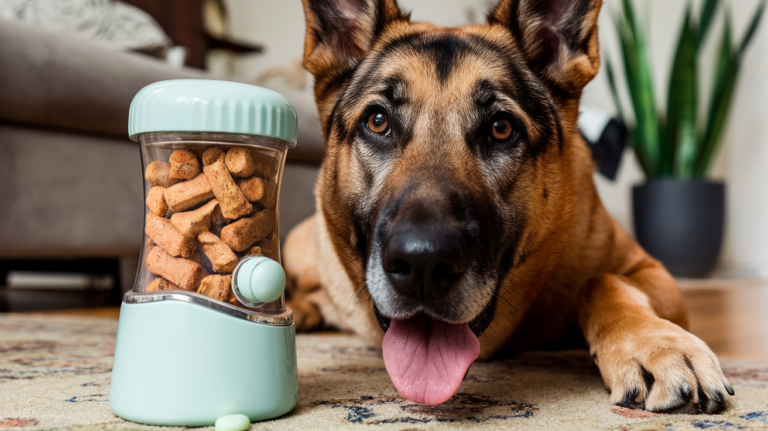
Some foods are safe, others dangerous. This clear guide explains exactly what your German Shepherd can eat and what to avoid.
Your German Shepherd thinks they’re a food critic. Every meal you prepare gets the full sensory inspection: intense staring, strategic positioning near the table, and perhaps a gentle paw on your leg as a “friendly reminder” that sharing is caring. But unlike actual food critics, your GSD doesn’t understand that some menu items are strictly off limits.
The truth is, the line between safe snacks and dangerous foods is thinner than you might think. That innocent looking grape? Potentially deadly. A plain piece of chicken? Totally fine. Understanding what’s safe transforms you from a nervous snack gatekeeper into a confident pet parent who can treat their pup without the panic.
The Green Light Foods: Safe and Healthy Options
Lean Proteins That Pack a Punch
German Shepherds are active, muscular dogs that thrive on protein. The good news? Many protein sources from your kitchen are perfectly safe for your furry friend. Cooked chicken (boneless and skinless) tops the list as a fantastic training treat or meal supplement. Turkey follows close behind, offering similar benefits without added fats or seasonings.
Plain cooked fish like salmon delivers omega fatty acids that keep your GSD’s coat shiny and supports joint health. Just make sure all bones are removed, because cooked bones can splinter and cause serious internal damage. Eggs are another protein powerhouse, and you can serve them scrambled, hard boiled, or even raw (though cooked eggs are easier to digest).
Lean beef and pork work well in moderation, but always cook them thoroughly and skip the seasonings. Your German Shepherd doesn’t need garlic butter or Montreal steak seasoning to enjoy their treat. Keep it plain, keep it simple, and keep those portions reasonable.
Fruits: Nature’s Sweet Treats
When offering fruit to your German Shepherd, think of them as occasional treats rather than dietary staples. Moderation is the name of the game.
Apples make excellent crunchy snacks that help clean teeth while providing vitamins A and C. Just remove the seeds and core first, as apple seeds contain trace amounts of cyanide. Blueberries are like tiny vitamin bombs packed with antioxidants, and their small size makes them perfect training rewards.
Watermelon is over 90% water, making it a refreshing summer treat that helps with hydration. Remove all seeds and rind before serving. Bananas offer potassium and fiber, but their high sugar content means they should be occasional treats rather than daily snacks. A few slices go a long way.
Strawberries, mangoes, and pears all get the green light too. The key with any fruit is removing seeds, pits, and rinds that could cause choking or intestinal blockages. Your German Shepherd’s enthusiasm for food sometimes exceeds their judgment about what’s actually chewable.
Vegetables: Crunchy Goodness
Raw carrots are basically nature’s toothbrush for dogs. They’re low calorie, high fiber, and satisfyingly crunchy. Many GSDs love them frozen during teething or hot weather. Green beans (plain, not from a casserole) are another winner, packed with vitamins and minerals while being low in calories.
Sweet potatoes deserve special mention. Cooked and served plain, they’re loaded with vitamins, fiber, and complex carbohydrates that provide sustained energy. Some dog owners swear by dehydrated sweet potato slices as chewy training treats. Pumpkin (plain, not pie filling) is legendary for helping with digestive issues and adding fiber to your dog’s diet.
Cucumbers, celery, and bell peppers round out the veggie approved list. These watery vegetables make excellent summer snacks and add variety to your GSD’s treat rotation without packing on pounds.
The Red Light Foods: Keep These Away
The Toxic Twelve
Some foods aren’t just unhealthy for German Shepherds; they’re genuinely dangerous. Chocolate tops every veterinarian’s danger list. It contains theobromine, which dogs metabolize much slower than humans. Dark chocolate and baking chocolate are especially concentrated and dangerous. Even small amounts can cause vomiting, diarrhea, rapid heart rate, seizures, or death.
Grapes and raisins cause kidney failure in dogs through a mechanism scientists still don’t fully understand. There’s no safe amount; even a single grape has caused severe reactions in some dogs. The same goes for currants. If your German Shepherd snags a grape, contact your vet immediately rather than waiting for symptoms.
| Toxic Food | Why It’s Dangerous | Symptoms to Watch For |
|---|---|---|
| Chocolate | Contains theobromine that dogs can’t metabolize | Vomiting, increased heart rate, seizures |
| Grapes/Raisins | Causes kidney failure | Lethargy, decreased urination, vomiting |
| Onions/Garlic | Damages red blood cells | Weakness, pale gums, breathlessness |
| Xylitol | Causes liver failure and low blood sugar | Collapse, seizures, weakness |
| Macadamia Nuts | Unknown toxin affects nervous system | Weakness, tremors, hyperthermia |
Onions and garlic (in all forms: raw, cooked, powdered) damage red blood cells and can cause anemia. This includes foods cooked with these ingredients, so that leftover spaghetti sauce is a no go. The artificial sweetener xylitol causes a rapid insulin release leading to hypoglycemia and potential liver failure. It’s found in sugar free gum, candy, peanut butter, and baked goods. Always check labels.
Fatty, Salty, and Problematic Foods
Avocados contain persin, which can cause vomiting and diarrhea in dogs. While the flesh is less toxic than the pit and skin, it’s better to skip this trendy food entirely. Macadamia nuts cause weakness, tremors, and hyperthermia. Walnuts can harbor mold that produces tremorgenic mycotoxins.
Fatty foods might seem harmless, but they can trigger pancreatitis in German Shepherds, a painful and potentially life threatening condition that requires immediate veterinary care.
Bacon, sausage, and other fatty meats spell trouble. The high fat content can trigger pancreatitis, an inflammation of the pancreas that causes severe abdominal pain, vomiting, and requires hospitalization. Even if your GSD has handled fatty foods before, pancreatitis can develop suddenly after years of no problems.
Salty snacks like chips, pretzels, and popcorn with butter and salt can lead to excessive thirst, urination, and sodium ion poisoning in extreme cases. Plain, air popped popcorn in small amounts is fine, but the movie theater butter bucket is not your dog’s friend.
Alcohol should be obvious, but it’s worth stating: never let your German Shepherd consume any alcoholic beverages or foods cooked with alcohol. Dogs are far more sensitive to alcohol’s effects, and even small amounts can cause serious intoxication, respiratory failure, or death.
Dairy Dilemma: It’s Complicated
Many German Shepherds are lactose intolerant to varying degrees. Unlike puppies, adult dogs produce less lactase (the enzyme that breaks down lactose), meaning dairy can cause gas, diarrhea, and stomach upset. That doesn’t mean all dairy is off limits, but proceed with caution.
Plain yogurt and cottage cheese are lower in lactose than milk and many dogs tolerate them well in small amounts. They provide protein, calcium, and probiotics that support digestive health. Start with tiny portions to see how your GSD reacts. Cheese is another gray area; most dogs love it, and small amounts make excellent training treats. Hard cheeses like cheddar have less lactose than soft varieties.
Skip the ice cream despite those pleading eyes. The combination of dairy, sugar, and often chocolate or artificial sweeteners makes it a poor choice. If you want to give your GSD a frozen treat, freeze plain yogurt or pureed fruit instead.
Grains and Carbohydrates: The Middle Ground
Plain rice (white or brown) is easy on the stomach and often recommended for dogs with digestive upset. Oatmeal provides fiber and can help dogs with bowel irregularity. Both should be cooked and served plain without butter, sugar, or other additions.
Bread won’t harm your German Shepherd in small amounts, but it offers little nutritional value and adds empty calories. Raw bread dough, however, is extremely dangerous. It can expand in the stomach causing bloat and potentially life threatening obstruction. The fermentation process also produces alcohol that can poison your dog.
Pasta is fine occasionally, but like bread, it’s mostly empty carbs. If you’re mixing a small amount with lean meat and vegetables to stretch a meal, that’s acceptable. Making pasta a regular part of your GSD’s diet isn’t ideal.
Portion Control and Common Sense
Even safe foods should follow the 90/10 rule: 90% of your German Shepherd’s daily calories should come from complete and balanced dog food, while treats and extras make up no more than 10%. German Shepherds are large dogs, but they’re also prone to hip dysplasia and joint issues that excess weight exacerbates.
A few baby carrots or apple slices won’t derail their diet, but half a rotisserie chicken plus sides definitely will. Consider the size of the treat relative to your dog’s size. What seems like a small portion to you might be proportionally huge for them.
Choking hazards are real. German Shepherds eat enthusiastically and don’t always chew thoroughly. Cut foods into appropriate sizes, especially for items like apples or carrots. Remove pits, seeds, and bones that could cause obstructions. Monitor your dog when introducing new foods to ensure they’re not having adverse reactions.
When In Doubt, Call Your Vet
Your veterinarian knows your German Shepherd’s specific health history, including allergies, sensitivities, and conditions that might make certain foods riskier than they’d be for other dogs.
If your GSD eats something questionable, don’t wait to see what happens. The ASPCA Animal Poison Control Center (888) 426-4435 operates 24/7 and can provide guidance. Keep hydrogen peroxide on hand in case your vet instructs you to induce vomiting (never do this without professional guidance, as some substances cause more damage coming back up).
Watch for symptoms like vomiting, diarrhea, lethargy, excessive drooling, difficulty breathing, or seizures after your dog eats something new. Some toxins act quickly while others take hours or days to cause problems. When it comes to your German Shepherd’s health, it’s always better to be overly cautious than to dismiss warning signs.
German Shepherds are incredible companions who deserve the best care we can provide. Understanding which human foods are safe means you can share appropriate treats without guilt or anxiety. Your GSD might still give you those pleading eyes during every meal (it’s basically their superpower), but now you’ll know exactly when you can indulge them and when you need to stand firm. Smart choices today mean more healthy years together tomorrow, and that’s worth saying no to those puppy dog eyes occasionally.