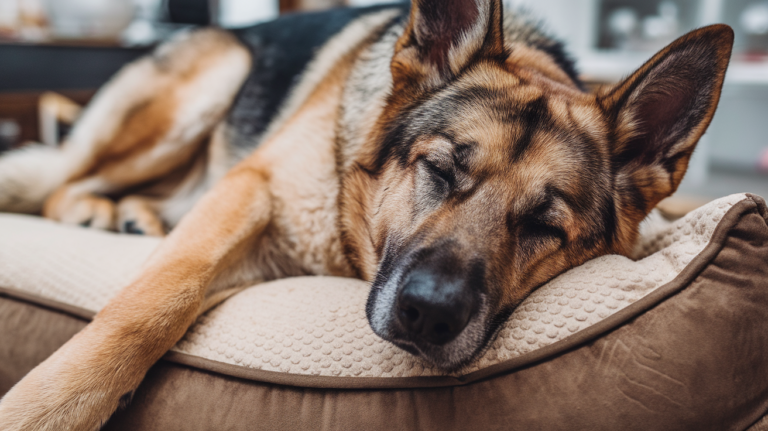
Yes, cuddles can be trained. This adorable method builds calm affection and turns snuggle time into a sweet shared ritual.
Some dogs are natural cuddlers. Others… well, let’s just say they show their love through intense staring and the occasional tail wag from across the room. If your German Shepherd falls into the latter category, don’t worry! You can absolutely train even the most independent GSD to become a snuggle champion. The secret lies in making cuddle time so rewarding that your dog actively seeks it out.
What makes this training particularly special is that it taps into your German Shepherd’s natural desire to be close to you while giving them clear structure and expectations. You’re not forcing affection; you’re simply creating a framework that lets your dog understand exactly what you want. Before you know it, you’ll have a 70 pound furball draped across your lap, and you’ll wonder how you ever lived without it.
Understanding Your German Shepherd’s Cuddle Personality
Before jumping into training, take a moment to observe your dog’s natural affection style. Some German Shepherds are velcro dogs who already stick close, while others maintain a more independent streak. Neither personality is better or worse; they just require slightly different approaches.
Watch how your GSD shows affection currently. Do they lean against your legs? Rest their head on your knee? Bring toys and sit nearby? These behaviors are your building blocks. You’re going to capture and shape these natural tendencies into a reliable cuddle command.
Recognizing Readiness Signs
Your dog will tell you when they’re open to affection. Look for:
- Soft, relaxed eyes
- Loose body posture
- Voluntary proximity (choosing to be near you)
- Gentle tail wags
- Leaning or pressing into you
On the flip side, respect when your shepherd isn’t in the mood. Forcing cuddles when your dog is energized, stressed, or focused on something else will only create negative associations.
Step 1: Create Positive Cuddle Associations
Start by making physical closeness the best thing ever. This foundation is absolutely critical for long term success.
The Proximity Reward Game
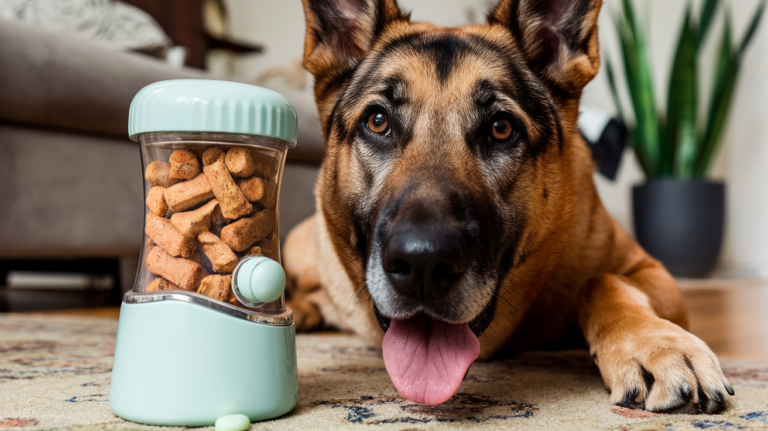
Sit on the floor or couch in a relaxed position. Have incredibly tasty treats ready (think tiny pieces of chicken, cheese, or whatever makes your GSD lose their mind). Every time your dog voluntarily comes close to you, mark the behavior with “yes!” and deliver a treat.
Don’t call them over. Don’t pat the couch. Just wait and reward when they choose closeness. This builds intrinsic motivation, which is pure gold in dog training.
Training isn’t about forcing behaviors. It’s about making the right choice so rewarding that your dog offers it enthusiastically, again and again.
Gradually Increase Contact Duration
Once your shepherd reliably approaches, start requiring them to stay close for a second before treating. Then two seconds. Then five. Build duration slowly, celebrating small wins. If your dog moves away, that’s fine! Just reset and wait for them to return.
Step 2: Introduce Physical Touch Gradually
Now that your GSD loves being near you, it’s time to add gentle touch into the equation.
Touch and Treat Protocol
| Duration | Action | Reward Timing |
|---|---|---|
| 1-2 seconds | Light hand on shoulder/side | Immediately after touch |
| 3-5 seconds | Gentle stroke along back | During and after contact |
| 5-10 seconds | Hand resting on body | Multiple treats during contact |
| 10+ seconds | Full gentle petting | Continuous low-level treating |
Keep your movements slow and predictable. If your shepherd leans into the touch, jackpot! Give several treats in quick succession. You’re teaching that leaning in equals amazing things.
Reading Your Dog’s Body Language
Pay attention to subtle signals. Does your dog’s body soften when you touch their shoulder versus their head? Do they prefer scratches behind the ears or long strokes down their back? Tailor your approach to your individual dog’s preferences. This isn’t one size fits all.
Step 3: Add Your Cuddle Cue
Time to attach a word or signal to this beautiful behavior you’ve been building!
Choose something that feels natural to you. “Cuddle,” “snuggle,” “close,” or even “love” all work perfectly. The specific word doesn’t matter; consistency does.
The Cue Introduction Process
Wait until your dog is already approaching and settling close to you (this is key!). Just as they make contact or lean in, say your chosen cue word in a warm, happy tone. Then immediately reward with treats and affection.
You’re creating an association: the word predicts the action, and the action predicts rewards. After about 20-30 repetitions over several days, you can start saying the cue slightly before your dog initiates the cuddle, testing whether they understand.
The magic of positive reinforcement training is that your dog becomes an active, enthusiastic participant rather than a passive recipient of commands.
Step 4: Shape the Perfect Cuddle Position
What does your ideal cuddle look like? Head in your lap? Full body lean against your legs? Draped across your chest while you’re on the couch? Get specific!
Position-Specific Shaping
If you want lap cuddles, pat your lap while saying your cue. When your dog puts even just their front paws up, reward immediately. Gradually require more (chest on lap, then full weight) before treating.
For side cuddles, reward when your dog positions themselves alongside you. Use gentle guidance if needed, but let your shepherd figure it out as much as possible. Dogs learn better when they solve the puzzle themselves.
Duration Building Strategies
Start with just five seconds in position, then release with a clear “okay!” or “free!” Give your dog a break, then practice again. Slowly extend the duration:
- Week 1: 5-10 seconds
- Week 2: 15-30 seconds
- Week 3: 30-60 seconds
- Week 4+: Several minutes
Always release before your dog gets restless. You want them thinking “aw, I could have stayed longer!” rather than “finally, I’m free!”
Step 5: Practice in Different Contexts
Your German Shepherd might be a cuddle champion on the living room couch but completely confused when you give the cue in the bedroom. Dogs don’t generalize well, so you need to practice everywhere.
Location Variety Training
Start with easy locations where your dog already feels comfortable, then gradually introduce:
- Different rooms in your house
- Various furniture pieces
- Indoor versus outdoor spaces (yes, backyard cuddles are a thing!)
- Different times of day
- When other family members are present
Each new context is essentially a mini retraining session. Expect to go back to easier criteria (shorter duration, higher treat rate) in new situations.
Distraction Proofing
Begin in quiet environments, then slowly add distractions:
- Calm household sounds
- Other people in the room (not interacting)
- Other pets nearby
- Mild outdoor distractions
- More challenging scenarios as your dog succeeds
If your shepherd breaks the cuddle to investigate something, that distraction was too challenging. Scale back and build up more gradually.
Step 6: Maintain and Enhance the Behavior
Congratulations! Your German Shepherd now cuddles on command. But training doesn’t stop here. You need to maintain this lovely behavior for the long haul.
The Power of Variable Reinforcement
Initially, you treated every single successful cuddle. Now transition to unpredictable rewards. Sometimes treat immediately, sometimes after a few seconds, sometimes give extra scratches instead of food, sometimes jackpot with multiple treats.
This randomness actually strengthens behavior. Your dog keeps trying because they never know when the next reward is coming. It’s the same psychology behind slot machines, and it works beautifully in dog training.
Keeping It Fresh and Fun
Add variety to prevent boredom:
- Alternate between different cuddle positions
- Practice at unexpected times
- Combine cuddling with other activities (gentle massage, reading aloud to your dog, watching TV together)
- Make some cuddle sessions short and sweet, others long and luxurious
Troubleshooting Common Challenges
“My German Shepherd Gets Too Excited”
If your GSD turns into a whirling dervish of enthusiasm when you cue cuddle time, you’ve accidentally created too much arousal around the behavior. Go back to basics with calmer energy. Practice when your dog is naturally tired (after exercise or mental stimulation). Reward only calm approaches and stillness.
“My Dog Cuddles But Then Immediately Leaves”
This usually means you’re asking for too much duration too quickly. Drop your expectations way down. Reward for three seconds of contact, release, repeat. Build duration over weeks, not days.
“It Works at Home But Nowhere Else”
Perfectly normal! As mentioned earlier, dogs struggle with generalization. Treat each new location like you’re starting over, but you’ll progress much faster each time.
Patience isn’t just a virtue in dog training. It’s the entire foundation. Every dog learns at their own pace, and comparing your journey to others’ only breeds frustration.
Advanced Cuddle Variations
Once your basic cuddle is solid, why not get creative?
- The Head Pillow: Train your shepherd to rest their head on your lap or a designated pillow. Perfect for movie watching!
- The Bookend: Teach your dog to settle alongside you with their back pressed against your leg. Ideal for reading or working from the couch.
- The Full Body Lean: For true devotees, the complete lean where your GSD presses their entire side against you, maximum contact achieved.
The Science Behind the Snuggles
Physical contact with your dog isn’t just emotionally satisfying; it’s biochemically beneficial. When you cuddle with your German Shepherd, both of you experience increased oxytocin (the bonding hormone) and decreased cortisol (the stress hormone).
Studies show that regular positive physical interaction with dogs can lower blood pressure, reduce anxiety, and improve overall wellbeing. So this training isn’t merely adorable; it’s genuinely therapeutic for both species involved.
Tips for Success
- Timing is everything. Reward the instant your dog offers the desired behavior. Even a one second delay can confuse the lesson.
- Short sessions win. Five minutes of focused training beats an hour of scattered attempts. German Shepherds are smart but can get mentally fatigued.
- End on success. Always finish your training session with something your dog does well, even if it’s a simple sit. This keeps motivation high for next time.
- Celebrate progress, not perfection. Your shepherd doesn’t need to execute a flawless ten minute cuddle to be successful. Every step forward deserves recognition.
- Make it a lifestyle, not just training. The beauty of cuddle training is that practice feels like quality time together. Unlike teaching heeling or recalls, this is training that enriches your daily life from day one.
Now grab some treats, find a comfy spot, and start building the cuddle relationship of your dreams with your German Shepherd!