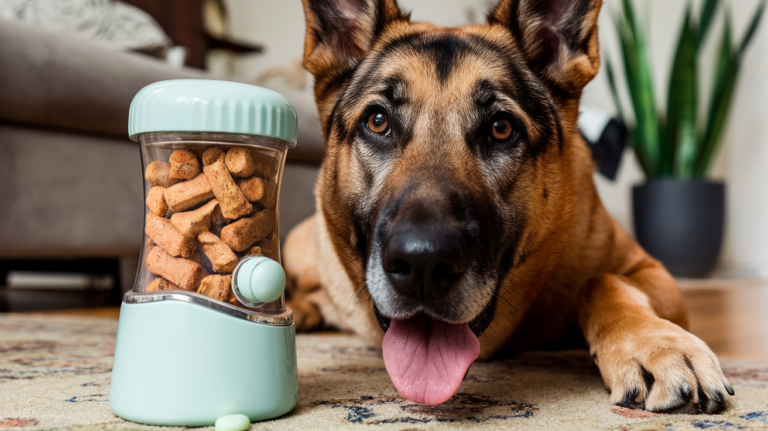
Many owners make this one major mistake without realizing it. Learn how to fix it fast and transform your German Shepherd’s behavior immediately.
Owning a German Shepherd isn’t for the faint of heart. These dogs are brilliant, loyal, and absolutely stunning. They’re also intense, demanding, and need way more than the average Labrador lounging on your couch. You probably already know this, which is why you’re here, reading this article instead of binge watching another Netflix series.
But here’s the uncomfortable truth. Even dedicated GSD owners who think they’re doing everything right often miss one massive element of proper German Shepherd care. This isn’t about whether you brush their coat enough or if you’ve trained them to sit. This goes deeper, affecting behavior, health, and your dog’s mental wellbeing in ways you might not expect.
The German Shepherd Mind
Before we dive into the mistake itself, you need to understand what makes German Shepherds tick. These aren’t your average companion dogs bred purely for snuggles (though they definitely enjoy those too). German Shepherds were meticulously developed as working dogs with specific jobs: herding sheep, protecting property, serving in police and military roles, and performing complex tasks that require intelligence and drive.
This heritage matters more than you think. Your GSD’s ancestors spent their days making independent decisions, solving problems, and working closely with handlers on important tasks. That genetic programming doesn’t just disappear because your dog now lives in a suburban home instead of a Bavarian farm.
The Mental Stimulation Gap
And here it is: The biggest mistake German Shepherd owners make is failing to provide adequate mental stimulation.
Yes, really. It’s that simple, yet that profound. Most owners focus obsessively on physical exercise while completely overlooking their dog’s need for mental engagement. You might be walking your GSD for an hour every day, throwing the ball until your arm hurts, and still wondering why your dog seems restless, anxious, or destructive.
Mental exhaustion is just as important as physical exhaustion for German Shepherds, perhaps even more so. A tired body means nothing if the mind is still racing.
Think about it from your dog’s perspective. Imagine being an incredibly intelligent creature with problem solving abilities, pattern recognition skills, and a genuine desire to work, but spending your entire day with nothing challenging to do. It would be like asking a chess grandmaster to spend eight hours a day watching paint dry. Frustrating doesn’t even begin to cover it.
The Physical Exercise Trap
Let’s address the elephant in the room: physical exercise absolutely matters for German Shepherds. These are athletic dogs who need to move, run, and burn energy. Nobody’s disputing that. The problem arises when owners think physical exercise alone is sufficient.
Why Walking Isn’t Enough
Many GSD owners proudly announce they walk their dog twice a day, assuming this checks all the boxes. Here’s the reality check: walking is the bare minimum. It’s like eating plain rice for every meal. Sure, you won’t starve, but you’re missing out on essential nutrients.
Your German Shepherd needs variety in physical activities, including:
| Activity Type | Mental Engagement Level | Physical Intensity | Recommended Frequency |
|---|---|---|---|
| Basic Walking | Low | Low to Medium | Daily |
| Running/Jogging | Low to Medium | High | 3 to 4 times weekly |
| Fetch/Retrieve Games | Medium | High | Several times weekly |
| Agility Training | Very High | Medium to High | 2 to 3 times weekly |
| Nose Work/Tracking | Very High | Low to Medium | 2 to 3 times weekly |
| Obedience Training | High | Low | Daily practice sessions |
Notice how the activities with the highest mental engagement don’t necessarily require the most physical exertion? That’s the key insight many owners miss.
What Mental Stimulation Actually Looks Like
Okay, so you’re convinced your German Shepherd needs more mental stimulation. Great! But what does that actually mean in practical, everyday terms?
Problem Solving Activities
German Shepherds are natural problem solvers. In the wild (or on a farm), they’d spend their days figuring out how to move stubborn sheep, navigate obstacles, and make decisions. Your modern GSD still craves these challenges.
Puzzle toys are an obvious starting point, but don’t just buy one and call it a day. Rotate through different puzzles to keep things fresh. Some dogs solve these so quickly that you need to level up constantly. Food dispensing toys, hide and seek games with treats, and DIY puzzle boxes made from cardboard and tennis balls can all engage that problem solving brain.
Training new commands is another phenomenal mental workout. Notice I said “new” commands. Your dog already knows “sit”? Fantastic. Now teach them to close doors, find specific toys by name, or perform a complex sequence of behaviors. The learning process itself is what fires up their neurons.
The Power of Nose Work
Here’s something many owners completely ignore: your German Shepherd’s nose is an incredibly sophisticated tool that desperately wants to be used. Dogs experience the world primarily through scent, and scent work provides mental stimulation that’s hard to match with other activities.
Fifteen minutes of focused nose work can tire out a German Shepherd more effectively than an hour of mindless fetch. The concentration required for scent discrimination and tracking engages the brain in ways that pure physical activity simply cannot.
You don’t need expensive classes to start. Hide treats around your house or yard and encourage your dog to find them. Graduate to hiding specific objects. Eventually, you can train your GSD to find particular scents (like essential oils on cotton balls) and indicate when they’ve located them. This taps directly into their working dog heritage.
The Job Question
German Shepherds need a job. This sounds dramatic, but it’s absolutely true. The job doesn’t have to be herding sheep or detecting explosives. It just needs to be something your dog perceives as important and purposeful.
Some ideas for giving your GSD a job:
- Carrying a backpack on walks (with appropriate weight)
- Retrieving specific items when asked (newspaper, slippers, their leash)
- Alert behaviors like notifying you when the timer goes off
- Helping with chores such as carrying in light groceries
- Protection work or tracking (with proper training)
- Therapy or service work if your dog has the temperament
The job creates structure and purpose, satisfying that deep seated need to be useful that’s hardwired into the breed.
Signs Your GSD Isn’t Mentally Stimulated
How do you know if your German Shepherd is suffering from this mental stimulation deficit? The symptoms aren’t always obvious, which is why so many owners miss them.
Behavioral Red Flags
Destructive chewing in adult dogs often signals boredom rather than teething or spite. If your three year old GSD is demolishing your furniture, they’re probably not being adequately challenged mentally.
Excessive barking can stem from frustration and pent up mental energy. German Shepherds are naturally vocal, yes, but constant barking at every little stimulus suggests an understimulated mind seeking engagement.
Hyperactivity seems counterintuitive. You’d think a tired dog would be calm, but an exhausted yet mentally unstimulated dog often becomes more frantic, not less. They’re physically tired but mentally wired.
The Anxiety Connection
Lack of mental stimulation directly contributes to anxiety in German Shepherds. These dogs need to feel competent and useful. When they don’t have outlets for their intelligence and drive, anxiety fills the void.
You might notice:
- Pacing or inability to settle
- Excessive licking or other repetitive behaviors
- Separation anxiety
- Reactivity to normal stimuli
- Obsessive behaviors like tail chasing
Many owners treat these symptoms with medication or behavior modification without addressing the root cause: a brilliant dog dying of boredom.
Creating a Mental Enrichment Plan
Ready to fix this mistake? Here’s how to build mental stimulation into your German Shepherd’s daily routine without completely overhauling your life.
Daily Non Negotiables
Every single day, your GSD needs:
- Training practice (even just 10 minutes of reinforcing known behaviors or teaching new ones)
- Food enrichment (feeding from puzzle toys instead of bowls, scatter feeding, etc.)
- Novel experiences (new walking routes, different textures to walk on, novel objects to investigate)
Weekly Additions
Aim for these activities at least once or twice a week:
- Extended training sessions working on complex behaviors
- Nose work or scent games
- Social enrichment with other dogs (if your GSD enjoys it)
- Agility or physical problem solving activities
Monthly Variety
Keep things fresh by introducing new challenges regularly. This could mean a new puzzle toy, a trip to a novel environment like a pet friendly store, or starting to work toward a trick dog title.
| Time Investment | Activity Examples | Impact Level |
|---|---|---|
| 5 to 10 minutes | Quick training session, scatter feeding, hide and seek | Moderate, cumulative |
| 20 to 30 minutes | Extended training, nose work, puzzle solving session | High, noticeable |
| 1+ hours | Agility class, tracking workshop, advanced training | Very high, sustained |
The Physical Plus Mental Sweet Spot
The magic happens when you combine physical and mental challenges. A long hike where your dog also needs to navigate obstacles, make decisions, and respond to commands is exponentially more satisfying than the same hike where they just walk beside you.
Agility training is perhaps the ultimate combo. Your dog needs to be physically fit to run the course, but they also need to listen, make split second decisions, and learn complex sequences. It’s chess and marathon rolled into one.
Interactive play beats solo exercise every time. Fetch where your dog needs to wait for permission, search for the toy, or perform a behavior before you throw again engages both body and mind.
The Temperament Factor
Not every German Shepherd has identical needs. Some lines are bred for calmer temperaments and may need slightly less intense stimulation. Working line GSDs, on the other hand, are intense and need significantly more mental challenge than show lines.
Pay attention to your individual dog. If they still seem restless despite your enrichment efforts, they probably need more. If they seem stressed or overwhelmed, you might need to dial it back slightly or change your approach.
Common Obstacles and Solutions
“I don’t have time” is the most common excuse, and honestly? It’s not a great one. Your German Shepherd didn’t ask to live in a human home with a full time job and Netflix subscription. You chose to bring a working breed into your life.
That said, let’s be practical. Efficiency is your friend. Feed every meal from puzzle toys instead of bowls (zero extra time). Practice training while you watch TV (minimal extra time). Take a different route on your daily walk (literally no extra time).
Tired owners with demanding jobs can still enrich their dogs’ lives by being strategic. Freeze Kong toys the night before so your dog has mental stimulation while you’re at work. Set up puzzle toys before you leave. Use automatic treat dispensers that release rewards at random intervals.
Budget concerns? Mental enrichment doesn’t require expensive equipment. Cardboard boxes, empty water bottles, old towels for tug games, and free YouTube tutorials for training can keep your GSD challenged without breaking the bank.
The Transformation You Can Expect
When you finally provide adequate mental stimulation, the changes can be dramatic. Owners report dogs who:
- Settle more easily and seem genuinely calm
- Display fewer destructive behaviors
- Respond better to training
- Seem happier and more content
- Sleep more soundly
- Show reduced anxiety
A mentally fulfilled German Shepherd isn’t just better behaved. They’re genuinely happier, more confident, and become the incredible companion you imagined when you first brought them home.
Your German Shepherd has an incredible mind. That brain is an asset, not a liability. The mistake isn’t owning a smart, driven dog. The mistake is failing to honor that intelligence with appropriate challenges.
So, are you guilty of this common error? If so, you’re definitely not alone. The good news? You can start fixing it today. Your German Shepherd is waiting for you to unlock their full potential. What are you waiting for?