Your home setup affects your dog’s happiness more than you think. These simple changes create a calm, enriching space your German Shepherd will love.
Your German Shepherd deserves more than just a roof over their head. These magnificent dogs need a thoughtfully designed environment that caters to their intelligence, energy levels, and loyal nature.
Creating the perfect home setup isn’t about expensive gadgets or fancy accessories; it’s about understanding what makes your furry friend truly thrive. When you get it right, you’ll notice the difference in their behavior, health, and that trademark GSD smile they flash when they’re content.
Creating the Perfect Sleep Sanctuary
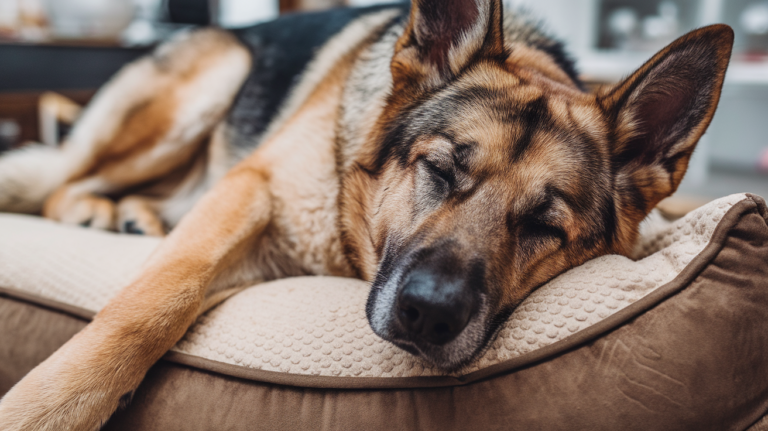
German Shepherds take their rest seriously, and where they sleep impacts everything from their joint health to their anxiety levels. These dogs are den animals at heart, which means they crave a space that feels secure and definitively theirs.
The ideal sleeping area should be away from high traffic zones but not isolated from the family. German Shepherds are velcro dogs who want to keep tabs on their people, even while napping. A corner of your living room or bedroom works perfectly. Temperature matters too; these double coated beauties prefer cooler environments, so avoid placing their bed near heating vents or in direct afternoon sunlight.
Consider investing in an orthopedic bed designed for large breeds. German Shepherds are prone to hip dysplasia and arthritis as they age, and a quality bed provides crucial support for their joints. Memory foam options distribute weight evenly and reduce pressure points. Size matters here: your GSD should be able to stretch out completely without hanging off the edges. Add a washable cover because, let’s face it, these dogs shed like it’s their job.
The Crate Question
Many people resist crate training, viewing it as imprisonment. But here’s the reality: properly introduced crates become your German Shepherd’s favorite retreat. It’s their personal sanctuary when the world gets overwhelming, whether that’s during thunderstorms, when guests visit, or when they just need downtime.
Choose a crate that allows your adult GSD to stand, turn around, and lie down comfortably. Wire crates offer better ventilation, while plastic crates feel more den-like. Place a comfortable mat inside, toss in a favorite toy, and never use the crate as punishment. When done right, your dog will voluntarily hang out in their crate with the door wide open.
Exercise and Mental Stimulation Zones
A tired German Shepherd is a happy German Shepherd. But here’s what many owners miss: these dogs need mental exhaustion as much as physical exercise. Your home setup should accommodate both.
A German Shepherd’s mind is a terrible thing to waste. Boredom doesn’t just lead to destructive behavior; it leads to an unhappy, unfulfilled dog who’s basically bouncing off the walls with unused potential.
Indoor Activity Spaces
Designate a room or area where your GSD can burn energy when outdoor exercise isn’t possible. This might include:
- A tug toy station with various rope toys mounted at different heights
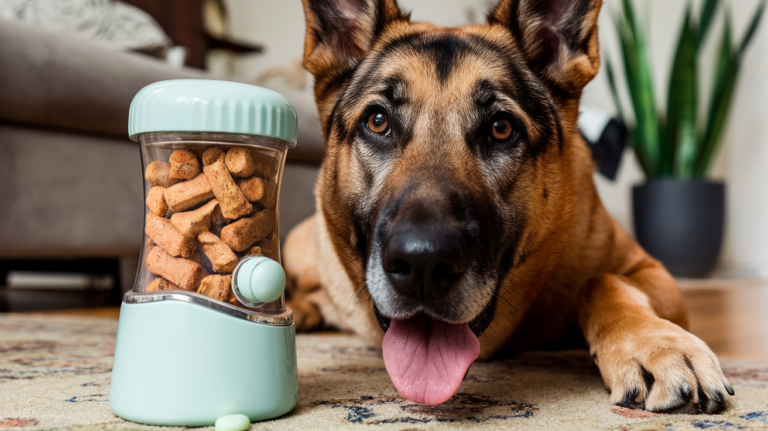
- Puzzle feeders and interactive toys that dispense treats
- A flirt pole (if you have enough space for safe use)
- Indoor agility equipment like small jumps or weave poles
Rotation is key. Don’t leave all toys out all the time. German Shepherds are brilliant enough to get bored with the same old stuff. Keep some toys in storage and rotate them weekly to maintain novelty and interest.
| Activity Type | Time Investment | Mental Stimulation Level | Physical Exertion Level |
|---|---|---|---|
| Puzzle Feeders | 15-30 minutes | High | Low |
| Tug of War | 10-15 minutes | Medium | High |
| Hide and Seek | 20-30 minutes | Very High | Medium |
| Indoor Fetch | 15-20 minutes | Low | High |
| Training Sessions | 10-15 minutes | Very High | Low to Medium |
The Training Corner
Set up a dedicated training space equipped with treats, a clicker, and various props. German Shepherds thrive on learning new commands and tricks. Even five minutes of focused training can tire them out mentally more than a 30 minute walk. This space doesn’t need to be large; a corner of any room works perfectly. The key is consistency: using the same space helps your dog switch into “learning mode” more quickly.
Feeding Station Setup
Your German Shepherd’s dining area deserves thoughtful consideration. These dogs can be prone to bloat, a dangerous condition where the stomach twists. Your feeding setup can help minimize this risk.
Elevated feeders remain controversial, but many veterinarians recommend them for large, deep chested breeds. The bowls should be at a height where your dog’s neck is roughly parallel to the ground while eating. This promotes better posture and easier swallowing.
Use stainless steel bowls rather than plastic. They’re easier to clean, don’t harbor bacteria in scratches, and won’t cause allergic reactions. Have multiple sets so you always have clean bowls ready. Place a washable mat underneath to catch spills and protect your floors.
Feed your German Shepherd in a calm, low stress environment. These observant dogs pick up on household energy, and a chaotic feeding time can contribute to rushed eating and digestive issues.
Consider using a slow feeder bowl or puzzle feeder for meals. German Shepherds often inhale their food, which increases bloat risk and provides zero mental stimulation. A puzzle feeder turns mealtime into a 15 to 20 minute brain workout.
Managing the Shedding Reality
Let’s address the elephant in the room: German Shepherds shed constantly, and twice a year they “blow their coat” in a fur apocalypse that will make you question your life choices. Your home setup needs a strategy.
Strategic Furniture Choices
If you’re still in the furniture shopping phase, choose materials wisely. Leather and tightly woven fabrics repel fur better than anything else. Avoid tweed, corduroy, or anything with a loose weave that fur can embed itself into.
Designate specific furniture pieces as “dog friendly” and teach your GSD these are their spots. Washable covers are your best friend here. Having boundaries doesn’t mean your dog can’t be on furniture; it means everyone knows the rules and you can manage the fur situation more effectively.
The Grooming Station
Create a permanent grooming area, preferably in a garage, mudroom, or bathroom. Essential supplies include:
- A high quality undercoat rake
- A slicker brush
- Deshedding tool
- Nail clippers or grinder
- Dog specific shampoo
- Towels designated for dog use only
Groom your GSD at least twice weekly during normal seasons and daily during coat blowing season. Having a dedicated space with all supplies ready makes this routine easier to maintain. Plus, containing the fur explosion to one area beats having tumbleweeds of German Shepherd fluff rolling through every room.
Security and Safe Spaces
German Shepherds are natural guardians, but this instinct needs proper channeling. Your home setup should give them appropriate ways to fulfill their protective nature without creating anxiety or aggression problems.
Window Access
These dogs need to see what’s happening outside. It’s not optional; it’s hardwired into their DNA. Provide window access where they can observe the street or yard. However, this comes with a caveat: if your GSD becomes overly reactive to every passing dog or person, you may need to manage this access or provide additional training.
A comfortable perch near a window becomes your dog’s favorite spot. Some owners install window seats or place furniture strategically to give their GSD a perfect vantage point. This satisfies their surveillance instincts in a controlled way.
Boundaries Within the Home
Baby gates or exercise pens help create boundaries without complete isolation. Maybe you don’t want your GSD in the kitchen while you’re cooking, or perhaps you need to keep them separate from certain rooms. Physical barriers that still allow visual contact work better than closed doors for these social dogs.
Outdoor Space Optimization
If you have a yard, maximize it for your German Shepherd’s benefit. These dogs need outdoor time daily, and a boring backyard leads to escape attempts or destructive digging.
Fencing requirements are non negotiable. German Shepherds can clear a four foot fence without breaking stride. Six feet is the minimum recommended height, and the fence should be secure at ground level (these clever dogs will test for digging opportunities).
Create varied terrain in your yard. A completely flat, empty lawn is boring. Add different elements:
- A digging pit filled with sand where digging is encouraged
- Agility obstacles like jumps or tunnels
- Elevated platforms for surveying their territory
- Shaded areas for hot days
- A water source for staying hydrated during play
The Potty Protocol
Establish a specific bathroom area and maintain it properly. German Shepherds are clean dogs who prefer having a designated spot. Regular cleanup isn’t just about aesthetics; it’s about hygiene and preventing parasite issues.
Temperature Control Throughout Your Home
That gorgeous double coat makes German Shepherds well suited for cooler climates but vulnerable to heat. Your home’s temperature management directly impacts their comfort and health.
During summer months, maintain cooler indoor temperatures (ideally 68 to 72 degrees Fahrenheit). Provide multiple water stations throughout the house. Consider a cooling mat for their sleeping area; these gel filled pads provide relief without electricity.
In winter, despite their thick coats, senior German Shepherds or those with health issues may appreciate heated beds. However, most healthy adult GSDs prefer cooler temperatures year round. Don’t be surprised if your dog chooses to sleep on tile floors rather than their bed during warmer months; they’re thermoregulating.
Toy Organization That Actually Works
German Shepherds are smart enough to have favorite toys and the memory to notice when one goes missing. But leaving every toy scattered creates clutter and reduces their value through over familiarity.
Use a designated toy box or basket that your dog can access independently. Teaching your GSD to “clean up” by putting toys away isn’t just cute; it’s mental stimulation. Start with one or two toys and gradually increase difficulty.
Keep three to five toys in rotation for daily access. Store the rest and swap them out weekly. This maintains novelty without requiring constant purchases of new toys. Different toy types serve different purposes:
| Toy Type | Primary Purpose | Best For |
|---|---|---|
| Rubber chew toys | Dental health, solo entertainment | Unsupervised chewing |
| Rope toys | Interactive play, teeth cleaning | Tug sessions with owner |
| Puzzle toys | Mental stimulation, slow feeding | Independent problem solving |
| Balls/Fetch toys | Physical exercise, retrieval training | Outdoor or large indoor spaces |
| Plush toys | Comfort, gentle play | Supervised quiet time |
Household Safety Considerations
German Shepherds are both powerful and curious, a combination that requires safety precautions beyond what smaller or less athletic dogs need.
Secure cabinets containing cleaning supplies, medications, or anything potentially harmful. These intelligent dogs can learn to open standard cabinets. Childproof locks aren’t just for kids.
Electrical cord management prevents both chewing hazards and tripping risks. Young German Shepherds especially might view cords as interesting chew toys. Use cord covers or route them behind furniture where possible.
Trash management requires industrial strength solutions. German Shepherds can easily knock over standard trash cans and will absolutely investigate interesting smells. Use heavy, locking trash cans or store trash in a secured cabinet.
Check your houseplants. Common varieties like lilies, sago palms, and azaleas are toxic to dogs. Either remove these completely or place them in areas your GSD cannot possibly access (and remember, these dogs can reach surprisingly high surfaces when motivated).
The Socialization Setup
German Shepherds bond intensely with their families but can be aloof or suspicious of strangers without proper socialization. Your home should facilitate positive social experiences.
Create a greeting area near your front door where your GSD can observe visitors without being overwhelmed. This might include:
- A comfortable spot where they can watch the door from a slight distance
- Easy access to their crate if they need retreat space
- Treats stored nearby for rewarding calm behavior around guests
Consider the layout when guests visit. Some German Shepherds do better when they can approach new people on their own terms rather than having strangers immediately in their space. Others prefer structured introductions. Know your dog’s preferences and set up your space accordingly.
Essential Supply Storage
Keeping German Shepherd supplies organized prevents that frantic search for the nail clippers or favorite treat when you need them. Designate specific storage areas:
A command center near your main door holds leashes, poop bags, a towel for muddy paws, and a brush for quick grooming before car rides. Everything in one spot means smoother transitions when heading out.
A medical supply kit should include first aid basics, copies of vaccination records, your vet’s contact information, and any regular medications. Keep this in an accessible location that you can grab quickly in an emergency.
Food storage requires airtight containers that hold an entire bag of kibber. This maintains freshness and prevents pantry moths or other pests. Store in a cool, dry location away from your dog’s reach (they will attempt to self serve if given the opportunity).
Creating Calm in a Busy Household
German Shepherds are sensitive to their environment’s energy levels. In homes with children, multiple pets, or frequent activity, your GSD needs spaces where they can decompress.
Quiet zones are non negotiable. This might be their crate, a specific bedroom, or a corner that household members know is off limits when the dog is there. Teach children especially to respect these boundaries. Even the most tolerant German Shepherd needs breaks from interaction.
Use white noise machines or calming music in your dog’s rest areas. This can mask startling sounds that might trigger alert barking and creates a more relaxing atmosphere. There’s even music specifically designed for canine relaxation, though some German Shepherds are just as happy with classical music or nature sounds.
Making It All Work Together
The perfect home setup for your German Shepherd isn’t about checking off a shopping list. It’s about creating an environment where their natural instincts are honored, their physical needs are met, and their intelligent minds stay engaged. When you nail this balance, you’re not just housing a dog; you’re partnering with one of the most capable, loyal breeds on the planet.
Your German Shepherd will tell you what’s working and what needs adjustment. That contentedly sleeping dog who greets you with calm enthusiasm rather than frantic energy? That’s your sign you’ve created something special. And that’s worth every bit of effort you put into getting it right.