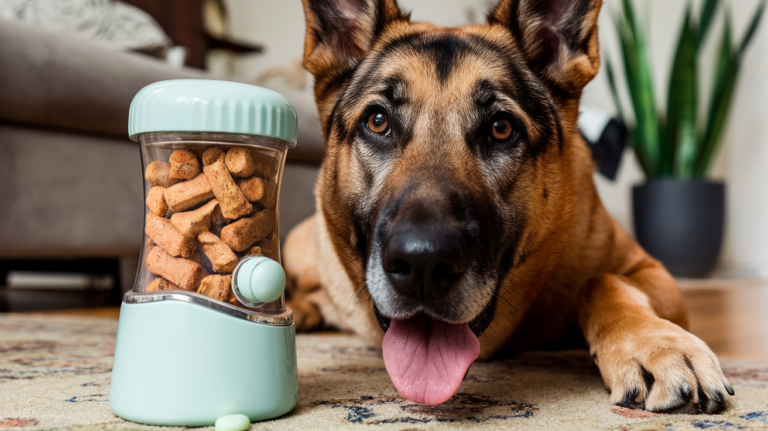
Confused by feeding advice? Clear, simple diet rules help support energy, joints, and long-term health without overthinking every meal.
German Shepherds are basically furry garbage disposals who would happily devour an entire pizza if you let them. But just because they will eat anything doesn’t mean they should. These athletic powerhouses deserve a diet that matches their incredible strength, intelligence, and unwavering devotion to their families.
The difference between a merely adequate diet and an optimal one shows up in every aspect of your dog’s life. We’re talking shinier coat, better energy levels, fewer vet visits, and potentially years added to their lifespan. Sound worth it? Absolutely. Let’s dive into the seven essential rules that’ll have your German Shepherd thriving.
Rule 1: Prioritize High-Quality Protein Sources
Protein isn’t just important for your German Shepherd; it’s the foundation of everything. These muscular dogs need substantial amounts of quality protein to maintain their impressive physique, support their immune system, and keep their energy levels consistent throughout the day.
Look for dog foods where real meat appears as the first ingredient. Chicken, beef, lamb, fish, or turkey should top that ingredient list, not vague terms like “meat meal” or “animal byproducts.” Your GSD needs approximately 18% to 22% protein as an adult, while puppies require even more, around 22% to 28%, to support their rapid growth.
The quality of protein matters just as much as the quantity. Whole meat sources provide essential amino acids that keep your German Shepherd’s muscles strong and their body functioning optimally.
Here’s something interesting: different protein sources offer different benefits. Fish provides omega-3 fatty acids for joint health and a lustrous coat. Chicken is easily digestible and lean. Beef offers rich iron content. Rotating between different protein sources (gradually, of course) can give your dog a broader spectrum of nutrients.
Avoid foods that rely heavily on plant-based proteins like corn gluten or soy as their primary protein source. While these aren’t inherently dangerous, they’re simply not as bioavailable or complete for your carnivorous companion.
Rule 2: Balance Fats for Energy and Health
Fats get a bad rap in human nutrition, but for German Shepherds, they’re absolutely essential. These compounds provide concentrated energy, support brain function, keep skin healthy, and make food taste irresistible to your pup.
Adult German Shepherds thrive on diets containing 12% to 15% fat, while puppies can handle 15% to 18%. But here’s the catch: not all fats are created equal. You want to see named fat sources like chicken fat, fish oil, or flaxseed oil on that ingredient label.
Omega-3 and omega-6 fatty acids deserve special attention, particularly because German Shepherds are prone to hip dysplasia and other joint issues. Fish oil and flaxseed provide anti-inflammatory omega-3s that can help protect those vulnerable joints. The ideal omega-6 to omega-3 ratio falls somewhere between 5:1 and 10:1.
Watch out for excessive fat content, though. While German Shepherds are active, overfeeding fats can lead to weight gain and pancreatitis. If your dog is less active or getting older, you might need to dial back the fat percentage slightly.
Rule 3: Include Joint-Supporting Nutrients
Let’s talk about the elephant in the room: German Shepherds and hip dysplasia. This breed’s genetic predisposition to joint problems means their diet should actively work to protect their skeletal system from puppyhood onward.
Glucosamine and chondroitin are your best friends here. These compounds help maintain cartilage health and can slow the progression of joint deterioration. Many premium dog foods now include these supplements, but you can also add them separately with your vet’s guidance.
| Nutrient | Benefit | Common Sources |
|---|---|---|
| Glucosamine | Cartilage repair and maintenance | Shellfish shells, animal cartilage |
| Chondroitin | Joint lubrication, reduces inflammation | Animal cartilage, fish |
| Omega-3 Fatty Acids | Anti-inflammatory properties | Fish oil, flaxseed |
| Calcium & Phosphorus | Bone strength (proper ratio crucial) | Meat, bones, supplements |
| Vitamin C | Collagen production | Fruits, vegetables |
Here’s something crucial: calcium and phosphorus ratios matter tremendously during puppyhood. Too much calcium can actually increase the risk of developmental orthopedic diseases. The ideal ratio is approximately 1.2:1 (calcium to phosphorus). Large breed puppy formulas are specifically designed with this in mind.
Don’t go overboard with supplementation without veterinary guidance. More isn’t always better, and you can actually cause harm by throwing off the delicate mineral balance your dog needs.
Rule 4: Feed According to Life Stage
A six-month-old German Shepherd puppy and a ten-year-old senior have vastly different nutritional requirements. Feeding the same food to both is like expecting a toddler and a retiree to thrive on identical meal plans.
Puppies (birth to 12-18 months) are growing machines. They need calorie-dense food with higher protein and fat to fuel their development. Large breed puppy formulas are specifically designed to support controlled growth, which helps prevent joint problems later. Feed puppies three to four times daily until six months, then transition to twice daily.
Adults (18 months to 7 years) need maintenance-level nutrition. Most German Shepherds do well on two meals per day, with portions adjusted based on activity level. An active working dog will need more calories than a couch potato companion.
Seniors (7+ years) often benefit from reduced calories to prevent weight gain as their metabolism slows. They might also need enhanced joint support and easily digestible ingredients as their systems become less efficient.
Transitioning between life stages should happen gradually over 7 to 10 days, mixing increasing amounts of the new food with decreasing amounts of the old to avoid digestive upset.
Rule 5: Control Portions and Prevent Bloat
German Shepherds love their food. Like, really love it. Left to their own devices, many would eat until they exploded like furry balloons. This makes portion control absolutely critical for maintaining a healthy weight and preventing serious health issues.
Use the feeding guidelines on your dog food as a starting point, not gospel. These recommendations are based on average dogs, and your individual GSD might need more or less depending on their metabolism, activity level, and whether they’re spayed or neutered.
The body condition score is your best friend. You should be able to feel your dog’s ribs with light pressure but not see them prominently. Looking from above, your GSD should have a visible waist. From the side, the belly should tuck up behind the rib cage.
Here’s something scary: German Shepherds are prone to gastric dilatation volvulus (GDV), commonly known as bloat. This life-threatening condition happens when the stomach fills with gas and twists. Reduce the risk by:
- Feeding two or three smaller meals instead of one large meal
- Avoiding vigorous exercise immediately before or after eating
- Using a slow-feeder bowl if your dog inhales their food
- Keeping mealtimes calm and stress-free
- Avoiding elevated food bowls (contrary to popular belief, these may increase bloat risk)
Monitor your dog’s weight regularly. Obesity creates a cascade of health problems, particularly for those already vulnerable joints.
Rule 6: Limit Fillers and Artificial Ingredients
Flip over that dog food bag and take a hard look at the ingredient list. If you see more chemicals than recognizable foods, keep shopping. Your German Shepherd’s digestive system wasn’t designed to process a chemistry experiment.
Common fillers to avoid or limit:
- Corn, wheat, and soy (common allergens with minimal nutritional value)
- Meat byproducts (ambiguous and low-quality)
- Artificial colors (Red 40, Blue 2, Yellow 5)
- Chemical preservatives (BHA, BHT, ethoxyquin)
- Excessive carbohydrates from cheap grains
Instead, look for whole food ingredients you can actually pronounce. Sweet potatoes, brown rice, oats, and quinoa provide quality carbohydrates. Blueberries, cranberries, spinach, and carrots add antioxidants and vitamins.
Some German Shepherds have sensitive stomachs or food allergies. Grain-free diets can help some dogs, but be cautious. Recent research has suggested potential links between grain-free diets heavy in legumes and heart issues in some breeds. This is still being studied, so discuss options with your vet if you’re considering grain-free.
Natural preservatives like mixed tocopherols (vitamin E), vitamin C, and rosemary extract are safer alternatives to chemical preservatives while still keeping food fresh.
Rule 7: Ensure Constant Access to Fresh Water
This might seem obvious, but water is arguably the most important nutrient your German Shepherd consumes. These active dogs can drink significant amounts, especially after exercise or during warm weather.
Fresh, clean water should be available 24/7. German Shepherds typically need about one ounce of water per pound of body weight daily. That means a 70-pound GSD should drink roughly 70 ounces (about 2 liters) of water each day, though this varies with activity level, weather, and diet.
Dehydration happens faster than you might think. Watch for warning signs like:
- Dry or sticky gums
- Loss of skin elasticity
- Sunken eyes
- Lethargy
- Reduced appetite
Monitor water intake, especially if you’ve recently changed foods. Dry kibble requires more water consumption than wet food. Some owners add water to kibble to increase hydration and make meals more aromatic and appealing.
Consider the water bowl itself. Stainless steel bowls are easiest to clean and don’t harbor bacteria like plastic can. Wash the bowl daily, not just when you refill it. Bacteria and biofilm accumulate quickly, creating a gross slime that can make your dog sick.
For outdoor German Shepherds or those who spend significant time outside, multiple water stations prevent dehydration. In winter, check frequently to ensure water hasn’t frozen. In summer, place bowls in shaded areas to keep water cool and prevent algae growth.
| Life Stage | Meals Per Day | Protein % | Fat % | Special Considerations |
|---|---|---|---|---|
| Puppy (0-6 months) | 3-4 | 22-28% | 15-18% | Large breed formula, controlled calcium |
| Puppy (6-18 months) | 2-3 | 22-28% | 15-18% | Continued growth support |
| Adult (18 months – 7 years) | 2 | 18-22% | 12-15% | Activity-based portions |
| Senior (7+ years) | 2 | 18-20% | 10-12% | Joint support, digestible ingredients |
Your German Shepherd depends on you to make informed decisions about their nutrition. These seven rules create a framework for feeding that supports longevity, vitality, and overall wellbeing. Remember that individual dogs may have unique needs, so maintaining open communication with your veterinarian ensures you’re making the best choices for your specific companion. With proper nutrition as their foundation, your German Shepherd can live their best, most energetic life by your side.