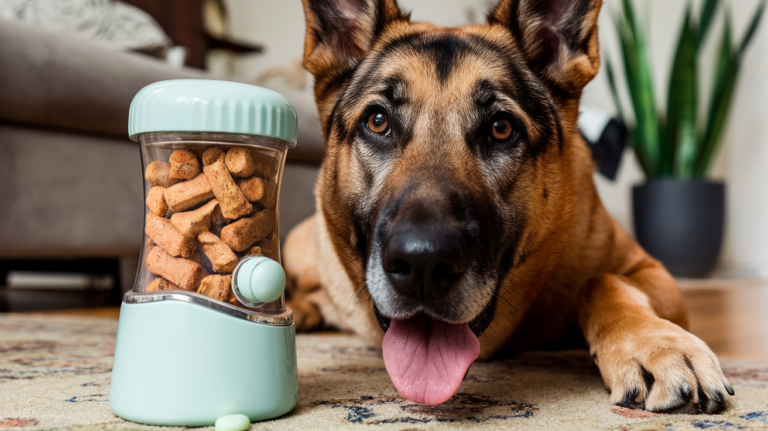
Every German Shepherd fits a personality pattern. These five types explain quirks, energy, and why your dog acts exactly the way they do.
If dogs had resumes, German Shepherds would have the most impressive ones. Police work? Check. Search and rescue? Absolutely. Professional couch warmer? Sometimes, yes! The versatility of this breed means their personalities can vary dramatically.
Think of German Shepherds as coming in different “flavors,” each with their own strengths, challenges, and adorable quirks. Whether you’ve got a velcro dog who follows you to the bathroom or an independent thinker who questions every command, understanding their personality type is the secret weapon for a happier life together.
1. The Velcro Dog: Your Personal Shadow
Meet the German Shepherd who believes personal space is a myth invented by cats. This personality type forms such intense bonds with their favorite human that they’ve essentially appointed themselves as your permanent bodyguard, therapist, and bathroom attendant all rolled into one.
The Velcro Dog needs to know where you are at all times. Working from home? They’re under your desk. Making dinner? They’re monitoring every chop and stir. Trying to shower in peace? Good luck with that. This isn’t just clingy behavior; it’s their way of showing ultimate devotion and staying ready to protect you from any threat, real or imagined.
These dogs thrive on constant interaction and can develop separation anxiety if left alone too frequently. They’re incredibly responsive to training because pleasing you is their life’s mission. The downside? They might follow you so closely that you’ve tripped over them at least seventeen times this week.
When your German Shepherd’s entire existence revolves around being within three feet of you at all times, you haven’t just adopted a dog; you’ve gained a furry stalker who happens to be extremely good at puppy dog eyes.
Training tip: Velcro Dogs excel at obedience work and love learning new tricks because it means quality time with you. However, gradually teaching them to be comfortable alone is crucial for their emotional health.
2. The Working Warrior: All Business, All the Time
This is the German Shepherd who was born with a briefcase and a to do list. The Working Warrior doesn’t just want a job; they need one with every fiber of their being. Without regular mental and physical challenges, they’ll create their own employment opportunities (and you probably won’t approve of their career choices).
The Working Warrior personality type is what most people imagine when they think “German Shepherd.” These dogs are focused, driven, and possess an almost supernatural ability to learn new tasks. They’re the straight A students who actually enjoy homework.
You’ll recognize this type by their intense focus during training sessions, their excitement when you pull out their work harness or vest, and their general air of “I’m ready for my mission, sir!” They live for structure, purpose, and the satisfaction of a job well done.
| Characteristic | Working Warrior | Velcro Dog | Social Butterfly |
|---|---|---|---|
| Energy Level | Very High | Medium to High | High |
| Training Focus | Excellent | Excellent (when with owner) | Good (if interesting) |
| Independence | Moderate | Low | High |
| Best Activities | Agility, Protection Work, Scent Work | Obedience, Tricks, Rally | Group Classes, Dog Parks |
These dogs aren’t content with a simple walk around the block. They want obstacle courses, scent work, advanced obedience, or even actual jobs like therapy work or search and rescue training. A bored Working Warrior will redesign your backyard landscaping, reorganize your shoe collection (by chewing), or herd your children whether you asked for it or not.
Training tip: Channel their drive into productive activities. Puzzle toys, regular training sessions, and dog sports aren’t just fun; they’re essential for this personality type’s wellbeing.
3. The Social Butterfly: Everybody’s Best Friend
Surprise! Not every German Shepherd is naturally suspicious of strangers. The Social Butterfly is the GSD who thinks every person they meet is a potential friend who simply hasn’t been properly greeted yet (with enthusiastic jumping and kisses, naturally).
This personality type loves attention from anyone willing to give it. They’re the greeters at the dog park, the ones who drag you toward every person on your walks, and the reason your neighbors know your dog’s name but not yours. While traditional German Shepherd temperament includes aloofness with strangers, the Social Butterfly missed that memo entirely.
The Social Butterfly makes an excellent therapy dog candidate because they genuinely enjoy meeting new people and spreading joy. They’re typically confident, outgoing, and relatively easy to socialize since they naturally want to be everyone’s friend anyway.
Some German Shepherds are born with a suspicious, protective nature. Others are born convinced that stranger danger is fake news and everyone in the world is just a friend they haven’t licked yet.
The challenge with Social Butterflies? They might not make the best guard dogs since they’re more likely to welcome an intruder with tail wags than warnings. They also need careful training around jumping and over exuberant greetings, especially since a full grown GSD launching themselves at someone is… a lot.
Training tip: Focus on polite greeting behaviors early and often. These dogs benefit greatly from regular socialization opportunities like group training classes or supervised dog park visits.
4. The Thinker: Chess Master in a Fur Coat
The Thinker is the German Shepherd who’s always three steps ahead of you, calculating angles, probabilities, and exactly how to get that treat you think you’ve hidden. This isn’t just a smart dog; this is a strategic dog who treats every interaction like a puzzle to solve.
You’ll notice The Thinker because they pause before responding to commands, as if considering whether your request makes logical sense. They’re not being stubborn (okay, maybe a little stubborn), but they’re actually evaluating the situation. “Sit? But why? What’s the benefit to me right now? Is there a more efficient solution to this scenario?”
These dogs are incredible problem solvers. They can figure out how to open doors, gates, and containers with surprising ease. They remember patterns and routines with precision, often anticipating what comes next before you even move. The Thinker personality type excels at advanced training and complex tasks that challenge their considerable intellect.
When your German Shepherd sits and stares at you with those intense eyes, they’re not being stubborn. They’re running calculations, assessing variables, and determining if your command aligns with their current strategic objectives.
The flip side? Thinkers can become bored easily with repetitive training and might “check out” if they don’t find the activity mentally stimulating. They’re also excellent at finding loopholes in your rules. Tell them to stay off the couch? They’ll technically follow the rule while draping themselves across the arm of the couch instead.
Training tip: Keep training sessions varied and intellectually challenging. Thinkers love learning new things but hate drilling the same basic commands endlessly. Puzzle toys and scent work are perfect outlets for their analytical minds.
5. The Goofball: Class Clown with Four Paws
And then there’s this German Shepherd. The one who seems to have missed the memo about being a serious, dignified working breed. The Goofball is the dog who trips over their own feet, makes ridiculous faces, and finds joy in the absolute silliest things.
The Goofball personality type keeps life entertaining. They’re the ones doing zoomies at completely random moments, playing with toys in the most absurd ways possible, and making you laugh daily with their antics. They might be smart (they’re still German Shepherds, after all), but they choose to use their intelligence for comedic purposes.
These dogs are often incredibly resilient and adaptable because they don’t take things too seriously. They bounce back quickly from scary experiences, approach new situations with playful curiosity, and generally maintain an optimistic outlook that’s downright infectious.
Common Goofball behaviors include: dramatic play bows at inappropriate times, “talking” with an impressive range of weird noises, insisting on carrying ridiculously large sticks, and performing what can only be described as interpretive dance when excited.
| Personality Type | Ideal Owner | Potential Challenges |
|---|---|---|
| Velcro Dog | Homebodies, Work from home folks | Separation anxiety |
| Working Warrior | Active people, Dog sport enthusiasts | Needs constant stimulation |
| Social Butterfly | Social people, Families | May lack protective instinct |
| Thinker | Patient trainers, Problem solvers | Can be manipulative |
| Goofball | Fun loving owners, First time GSD owners | May not take training seriously |
The challenge with Goofballs is getting them to focus during training sessions. Why practice “heel” when there’s a leaf blowing in the wind that clearly needs to be investigated? Their playful nature is wonderful but requires patience and creativity in training approaches.
Training tip: Use their love of fun to your advantage. Turn training into games, use lots of praise and play as rewards, and keep sessions short and upbeat. Goofballs often respond better to positive, fun training methods than serious, strict approaches.
Understanding Your Unique German Shepherd
Here’s a secret: your German Shepherd probably doesn’t fit perfectly into just one category. Most GSDs are delightful combinations of these personality types, with one or two traits dominating their overall temperament. You might have a Thinker who’s also a bit of a Goofball, or a Working Warrior with strong Velcro Dog tendencies.
The beauty of the German Shepherd breed lies partly in this personality diversity. While they share common traits like intelligence, loyalty, and trainability, each dog brings their own special flavor to the mix. Some are serious and task oriented from puppyhood, while others maintain a goofy, playful demeanor well into their senior years.
Recognizing your dog’s primary personality type helps you tailor your training approach, choose appropriate activities, and set realistic expectations. A Social Butterfly needs different socialization strategies than a naturally aloof Working Warrior. A Thinker requires more mental stimulation than a straightforward Goofball who’s happy just playing fetch for hours.
Pay attention to what motivates your individual dog. Does yours work hardest for food, toys, praise, or simply the satisfaction of completing a task? Do they prefer one on one time with you, or do they light up around other dogs and people? Are they happiest with a job to do, or do they live for silly play sessions?
Understanding these nuances transforms your relationship with your German Shepherd from good to extraordinary. Instead of fighting against their natural tendencies, you work with them. Instead of wondering why your training methods aren’t clicking, you adjust your approach to match their personality.
Remember, there’s no “best” personality type. The Velcro Dog isn’t superior to the Social Butterfly, and the Working Warrior isn’t better than the Goofball. Each type brings unique joys and challenges to your life. The key is appreciating your specific German Shepherd for exactly who they are, quirks and all.
So which personality type is your German Shepherd? Chances are, you’re smiling right now thinking about all the ways your dog perfectly exemplifies one (or several) of these categories. And that’s the magic of German Shepherds: they’re consistently loyal, intelligent, and devoted, yet wonderfully, uniquely individual.