Owning a German Shepherd comes with important unwritten rules. These ten essentials guide you to raise a confident, happy, well balanced dog you’ll be proud of.
German Shepherds have a reputation, don’t they? Police dogs. Military heroes. That dog from your favorite movie who saved everyone. But here’s what Hollywood doesn’t show you: the 3 AM zoomies, the judging stare when you’re eating snacks without sharing, and the absolutely ridiculous amount of fur that appears out of nowhere.
The truth is, these dogs are incredible, but they’re not for everyone. They’re smart (sometimes too smart), loyal to a fault, and have more energy than a toddler on a sugar rush. Ready to learn what it really takes to live with one of these beautiful beasts?
1. Thou Shalt Exercise Daily (And We Mean DAILY)
Your German Shepherd didn’t come with an off switch. These dogs were bred to work all day herding sheep across German hillsides, and that genetic programming doesn’t care that you just worked a double shift. Skipping exercise isn’t an option unless you want to come home to a redesigned living room courtesy of boredom and pent up energy.
We’re talking at least an hour of real exercise each day. Not a casual stroll around the block where Fluffy sniffs every mailbox. We mean running, hiking, playing fetch until your arm falls off, or agility training. Mental stimulation counts too, and honestly, a tired brain is just as important as tired legs for this breed.
A bored German Shepherd is a destructive German Shepherd. When their minds and bodies aren’t engaged, they’ll find creative ways to entertain themselves, and you probably won’t like their choices.
Here’s what a good exercise routine might look like:
| Time of Day | Activity | Duration |
|---|---|---|
| Morning | Brisk walk or jog | 30 minutes |
| Midday | Training session or puzzle toys | 15-20 minutes |
| Evening | Fetch, running, or dog park | 30-45 minutes |
| Night | Short potty walk | 10 minutes |
2. Thou Shalt Train With Consistency and Purpose
German Shepherds are wickedly smart. Like, could probably do your taxes if they had opposable thumbs smart. But intelligence without direction is just a recipe for a dog who outsmarts you at every turn. Training isn’t optional; it’s absolutely critical for this breed.
Start early and never really stop. These dogs crave structure and clear boundaries. They want to know the rules and they want to follow them (mostly). Use positive reinforcement, be consistent with your commands, and for the love of all things holy, make sure everyone in your household is on the same page. Nothing confuses a German Shepherd more than Dad allowing couch privileges while Mom banishes them to the floor.
Basic obedience is just the beginning. These dogs excel at advanced training: tracking, protection work, agility, nosework, you name it. Give them a job and watch them absolutely shine. Even something as simple as teaching them to bring you specific items by name can provide the mental workout they desperately need.
3. Thou Shalt Socialize Early and Often
Here’s the thing about German Shepherds: they’re naturally protective. It’s in their DNA. Without proper socialization, that protective instinct can morph into suspicion, reactivity, or outright aggression. Nobody wants a dog that treats every visitor like a home invader or loses their mind at the sight of another dog.
The socialization window is critical and it closes fast. From about 3 to 14 weeks, your puppy’s brain is like a sponge, soaking up experiences and forming opinions about the world. Expose them to everything: different people (tall, short, wearing hats, using wheelchairs), various animals, new environments, weird sounds, and strange surfaces.
But here’s the catch: every experience needs to be positive. One bad encounter can create a lasting fear. Take it slow, bring treats, and never force your dog into a situation where they’re clearly overwhelmed. Think of yourself as their confident tour guide through a sometimes scary world.
4. Thou Shalt Accept the Fur (So Much Fur)
Let’s talk about the elephant in the room. Or rather, the fur. Everywhere. German Shepherds don’t shed; they explode fur. Twice a year, they “blow their coat,” which is a polite way of saying your house becomes a fur factory and tumbleweeds of hair become part of your décor.
You’ll need a good vacuum. Actually, you’ll need a great vacuum, probably a pet specific one that won’t wheeze and die after three uses. Invest in a quality brush and learn to love grooming sessions. Regular brushing (we’re talking several times a week, daily during shedding season) helps manage the chaos and keeps your dog’s coat healthy.
Pro tip: embrace it. Buy furniture that matches your dog’s coloring. Wear their fur like a badge of honor. Develop a sense of humor about finding dog hair in places it has no business being (your coffee, your car’s glove compartment, somehow inside sealed Tupperware). Fighting it will only lead to madness.
5. Thou Shalt Provide Mental Stimulation
A German Shepherd’s brain is their most powerful asset and their biggest curse if you don’t keep it occupied. These dogs get bored easily, and a bored German Shepherd becomes a problem solving genius who applies their skills to things like: figuring out how to open the pantry, teaching themselves to unlock doors, or orchestrating elaborate escapes from the yard.
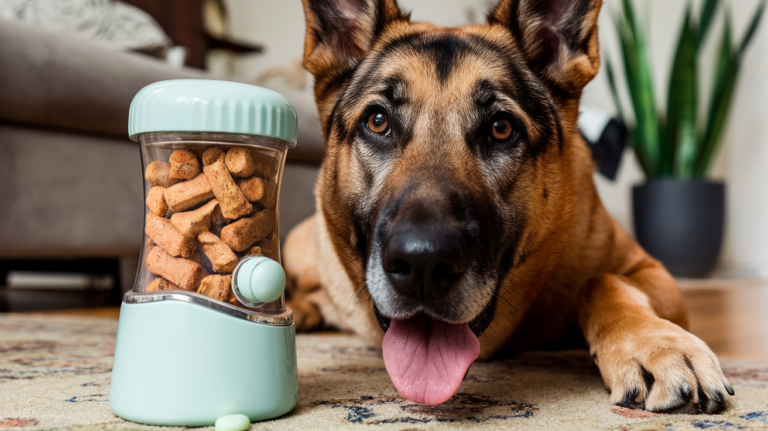
Puzzle toys are your best friend. Interactive feeders that make them work for their meals, hide and seek games with treats, teaching new tricks, even just rotating their toys so there’s always something “new” to investigate. Some owners swear by snuffle mats or DIY scent games where you hide treats around the house for them to find.
Intelligence in a dog isn’t always convenient. Your German Shepherd will figure out your routines, anticipate your actions, and occasionally outsmart you. Stay one step ahead by keeping their brilliant mind engaged in productive ways.
Training sessions aren’t just about obedience; they’re mental workouts. Teach your dog the names of their toys, practice complex command chains, or try nosework classes. The goal is simple: a mentally exhausted dog is a happy, well behaved dog.
6. Thou Shalt Budget for Health Care
German Shepherds are prone to certain health issues, and pretending otherwise won’t make them go away. Hip and elbow dysplasia are unfortunately common in the breed. Bloat (gastric dilatation volvulus) is a serious, life threatening emergency. Degenerative myelopathy can affect older dogs. The list goes on.
Quality veterinary care isn’t cheap, and with a large breed dog, everything costs more. More anesthesia for surgeries, higher medication doses, bigger crates for overnight stays. Consider pet insurance before you need it, because once a condition is diagnosed, it’s often excluded from coverage.
Regular vet checkups are non negotiable. Annual exams, staying current on vaccinations, preventative care for fleas, ticks, and heartworms. Many breeders recommend specific health screenings like hip X-rays starting around two years old. It might seem excessive, but catching problems early can save you money, heartache, and potentially extend your dog’s life.
7. Thou Shalt Respect Their Protective Nature
German Shepherds are guardian dogs. They take their jobs seriously, sometimes a little too seriously. This isn’t a bad thing; it’s literally what they were bred to do. But you need to manage it appropriately so protection doesn’t become a problem.
Your dog should be protective of the family, not possessive. There’s a difference. They should alert you to potential threats but defer to your judgment on whether something is actually dangerous. They shouldn’t be lunging at every person who walks past your house or treating guests like intruders.
Proper training and socialization help balance their protective instincts with good judgment. Teach a solid “leave it” command. Practice calm greetings with visitors. Create positive associations with the mail carrier, delivery people, and regular visitors. Your German Shepherd can be both a great watchdog and a well mannered member of society.
8. Thou Shalt Create Strong Bonds
German Shepherds are Velcro dogs. They bond intensely with their families and want to be involved in everything you do. Bathroom privacy? What’s that? They’ll follow you from room to room, always keeping tabs on where you are and what you’re doing.
This intense bonding is beautiful but comes with responsibility. These dogs don’t do well being left alone for long periods. They’re not backyard dogs who can entertain themselves. Separation anxiety is a real risk if you’re gone too much or don’t properly prepare them for alone time.
Spend quality time together beyond just exercise. Training sessions, grooming time, even just hanging out on the couch (if you allow that) all strengthen your relationship. The stronger your bond, the more eager your dog will be to please you and the easier training becomes. Plus, there’s something pretty special about having a 90 pound shadow who thinks you hung the moon.
9. Thou Shalt Feed Quality Nutrition
Large breed dogs need quality fuel, especially during their growth phases. German Shepherds grow fast, and improper nutrition during puppyhood can contribute to joint problems down the road. Cheap grocery store kibble loaded with fillers isn’t doing your dog any favors.
Look for foods formulated specifically for large breeds, especially for puppies. These diets have controlled calcium and phosphorus levels to support healthy bone development without encouraging too rapid growth. Adult dogs need balanced nutrition with quality protein sources, healthy fats, and appropriate calorie levels for their activity.
Bloat risk means you should avoid exercising immediately after meals and consider feeding multiple smaller meals instead of one large one. Some owners use slow feeder bowls or elevated feeders (though evidence on elevated feeders is mixed). Pay attention to your individual dog’s needs and adjust accordingly.
10. Thou Shalt Commit for the Long Haul
Here’s the reality check: German Shepherds typically live 9 to 13 years. That’s almost a decade and a half of daily walks, training sessions, vet appointments, vacations planned around dog care, and furniture covered in fur. They’re not starter dogs or dogs you get on a whim because they look cool.
These dogs need you to show up every single day. Tired? Too bad, the dog needs exercise. Busy? Great, but training still needs to happen. Finances tight? Sorry, vet care isn’t optional. This breed is not forgiving of half hearted ownership.
A German Shepherd will give you unwavering loyalty, endless entertainment, and unconditional love. In return, they ask for your consistency, your time, and your commitment. It’s not an equal trade, because you’ll always get more than you give.
But here’s what you get in return: a dog who reads your emotions, protects your family, makes you laugh daily, and loves you with an intensity that’s almost overwhelming. A partner for adventures, a coworker if you train them for tasks, and a friend who never judges your worst moments. That’s worth every challenge, every early morning walk, and every single piece of fur you’ll vacuum up.
The German Shepherd life isn’t easy, but it’s incredibly rewarding for those willing to put in the work. Welcome to the pack.