Some bulldogs are natural social butterflies, while others act like they own the dog park. If your pup gets too excited, too stubborn, or just doesn’t play well with others, don’t worry—it’s completely fixable. With this step-by-step plan, you’ll have your bulldog playing nicely and making new furry friends in no time!
Step 1: Know Your Bulldog’s Personality – The True Bulldog Nature
Before diving into training, it’s crucial to understand your bulldog’s character. Bulldogs are known for their strong-willed, affectionate, and sometimes stubborn tendencies. Knowing whether your bulldog tends to be more social or reserved can heavily influence your training approach.
Observe Their Behavior
- Play Styles: Does your bulldog prefer playing tug-of-war alone or enjoys chasing a ball with you? Understanding their play style gives you insights into how they may interact with other dogs.
- Social Tendencies: Some bulldogs may be standoffish, while others might be eager for social interactions. Gauge your dog’s reactions when encountering other dogs.
Use This Knowledge
- Create a training plan that caters to your bulldog’s personality. A shy bulldog might need more encouragement and patience, while a more social one may respond better to direct play interactions.
Step 2: Basic Commands – Building the Foundation of Good Behavior
Before allowing your bulldog to play with other dogs, ensure that they master the basic commands. These commands provide structure and help manage your dog’s behavior during interactions.
Essential Commands
- Sit: The cornerstone command which aids in controlling excitement.
- Stay: Teaching your bulldog to stay in place prevents them from rushing towards another dog.
- Leave It: Useful for redirecting their attention when someone or something catches their eye.
Training Tips
- Train in short sessions of about 5-10 minutes.
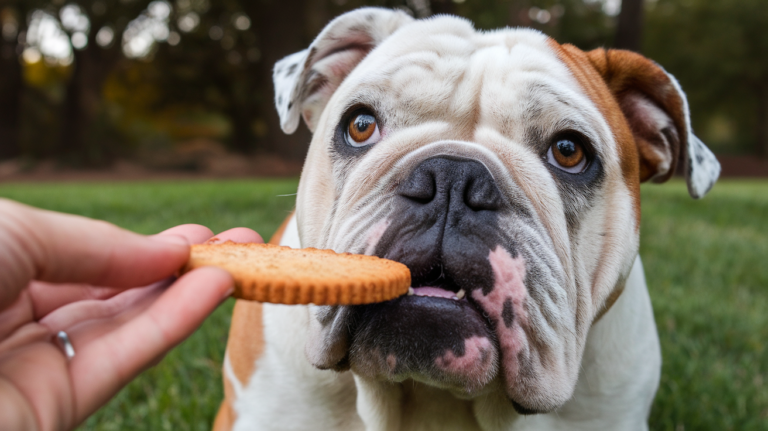
- Use positive reinforcement methods like treats and praise to reward good behavior.
- Practice in different environments to help your bulldog adapt to various distractions.
| Command | Purpose | Cue for Response |
|---|---|---|
| Sit | Establish control | Hand signal + “Sit” |
| Stay | Prevent impulsive movements | “Stay” + duration |
| Leave It | Focus on you, not distractions | “Leave it” or “Drop” |
Step 3: Controlled Meet and Greet – Introducing Friends
With some basics under your bulldog’s belt, it’s time for their first controlled meet and greet with another dog. This step should be approached with care and professionality.
Choose the Right Buddy
- Select a calm, friendly dog for the introductory session. The right dog can greatly influence your bulldog’s behavior.
- Ensure the other dog is also trained to behave and follow commands.
Meet in Neutral Ground
- Opt for a neutral location, such as a park, where neither dog has territorial claims. This decreases the chances of aggressive behavior.
- Keep both dogs on leashes to control their movements during the meeting.
Step 4: Read Dog Signals – The Body Language of Canines
Knowing how dogs communicate is crucial for a successful interaction. Puppies and adult dogs alike use body language to convey messages.
Key Signals to Watch For
- Tail Wagging: A wagging tail generally indicates happiness but pay attention to the intensity and direction.
- Ears Position: Ears pointing forward can indicate interest, whereas pinned back ears usually suggest submission or fear.
- Play Bows: If a dog bows with its front legs, it’s often a play invitation!
Posture Awareness
- Keep an eye out for signs of aggression like growling or showing teeth. If you observe these behaviors, calmly separate the dogs until they settle down. Always be ready to intervene!
Step 5: Supervised Play Sessions – Let the Games Begin
Now that your bulldog is familiar with social cues and basic commands, it’s time for supervised play sessions! Keep a close watch, but also allow for some freedom.
Create a Fun Environment
- Use toys to encourage interactions (think squeaky balls or ropes), making it easier for the dogs to engage with each other positively.
- Opt for an enclosed area where the dogs cannot run off or become too distracted.
Monitor and Intervene
- Pay attention to your bulldog’s behavior and the other dog’s signals.
- If play becomes too rough or aggressive, intervene and take a break to calm the dogs down.
Step 6: Reinforcement and Relationship Building – Everyone Gets Treats!
Positive reinforcement is the key to successful training, and during play sessions, this should be a focus for both you and your bulldog. Remember, you’re not just training your dog; you’re also building their relationship with other furry pals!
Create Positive Associations
- Reward your bulldog with treats when they engage gently and interact well with their playmate. This will help them associate playtime with good feelings.
- Use praise, petting, or their favorite toy as a reward too!
Frequent Play Dates
- Schedule regular playdates with the same dog to build familiarity and comfort. Consistent interactions promote a robust friendship and better behavior over time.
- Mix up the locations and settings to expose your dog to different environments, enhancing their adaptability and sociability.
Step 7: Advanced Socialization – Expanding the Circle
As your bulldog becomes more comfortable with a friend, it’s time to invite more dogs into the mix. Wash away any tension and turn it into joy!
Group Play Sessions
- Start with a small group, ideally consisting of 3-4 dogs, ensuring they all have good temperaments.
- Each dog should be familiar with basic commands and ideally comfortable with your bulldog.
Maintain Control
- Keep the leashes on hand to maintain some control, especially if play gets a tad intense.
- Designate a canine referee among friendly owners to supervise, allowing you to focus on observing your bulldog’s behavior.
Step 8: Keep It Fun – The Bulldog Play Ethos
Though training is serious work, remember to keep playtime lighthearted and joyous! Training sessions and play dates should be a source of fun for both your bulldog and yourself.
Tips for Ongoing Fun
- Frequently change play sessions to avoid boredom for your bulldog. Rotate in new dogs and activities.
- Consider small trick training sessions before or after play, which keeps the brain engaged and makes for a happy pup.
Celebrate Achievements
- Acknowledge milestones in your bulldog’s social journey. Whether it’s interacting calmly with a new dog or mastering a new trick, celebrate each little victory!
By following these steps and keeping playdates both structured and enjoyable, you’ll help your bulldog not only learn how to play nicely with other dogs but also enrich their life with new friendships. Remember, patience is key, and a big dose of fun will make the journey oh-so-worthwhile!