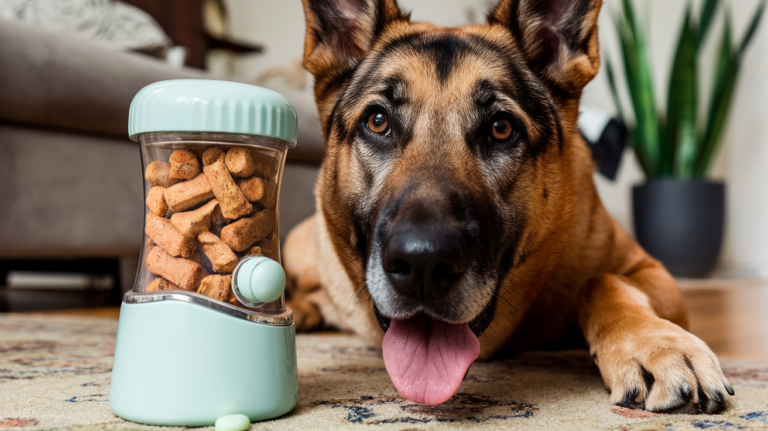
Stubborn moments can test your patience, but they don’t have to win. These smart techniques turn challenges into breakthroughs and strengthen your bond instantly.
Your German Shepherd just stared at you for a full thirty seconds after you told them to sit. They know the command. You know they know the command. They know you know they know. And yet, here we are in the world’s most frustrating standoff. If this scenario plays out daily in your home, congratulations! You’ve got a classic stubborn GSD on your hands.
But before you start questioning your life choices, understand this: that stubbornness is precisely what makes German Shepherds exceptional working dogs, loyal protectors, and incredible companions. The trick isn’t breaking their spirit or winning some imaginary dominance contest. It’s about channeling that iron will into cooperation through strategies that respect their intelligence while establishing clear boundaries.
1. Understand That Stubbornness Is Actually Intelligence in Disguise
Your German Shepherd isn’t being stubborn for the fun of it (okay, sometimes maybe a little). What looks like defiance is often your dog’s brain working overtime, analyzing whether your command makes sense in the current context. GSDs were bred to be thinking dogs who could make split decisions while herding sheep or working in police units. That means they’ve got serious cognitive horsepower under the hood.
When your GSD refuses to come when called at the dog park, they’re not necessarily blowing you off. They might be processing whether the fun they’re having outweighs the benefit of obeying, or they might not see an immediate reason to comply. This is actually a sign of intelligence, not stupidity or spite.
The key to working with a stubborn GSD is recognizing that their brain is always calculating cost versus benefit. Make obedience worth their while, and watch that stubbornness transform into eager cooperation.
The solution? Make yourself more interesting than whatever they’re currently focused on. Use high value rewards, enthusiastic praise, and consistent consequences. Show them that listening to you is always the best option available.
2. Establish Yourself as the Benevolent Leader (Not a Dictator)
German Shepherds need leadership, but they’ll rebel against tyranny faster than you can say “alpha roll.” The outdated dominance theory doesn’t work with these intelligent dogs. Instead, you need to become the leader they want to follow, someone who provides structure, safety, and clear communication.
Think of it like being a good boss at work. The best managers aren’t the ones screaming orders; they’re the ones who set clear expectations, provide resources for success, and create an environment where people want to perform well. Your GSD is no different. They need to trust that you’ve got things under control and that following your lead brings good outcomes.
This means being consistent with rules (no sleeping on the couch means never, not just when you remember to enforce it), following through on commands every single time, and making sure that good behavior gets rewarded while unwanted behavior gets redirected. When your GSD knows what to expect from you, their stubbornness decreases dramatically.
3. Make Training Sessions Short, Fun, and Mentally Stimulating
Here’s a dirty little secret about German Shepherds: they get bored easily, and a bored GSD is a stubborn GSD. If your training sessions feel like pulling teeth, you’re probably drilling the same commands over and over until your dog’s brain has checked out completely.
| Training Session Length | Optimal Frequency | Focus Areas |
|---|---|---|
| 5 to 10 minutes | 2 to 3 times daily | New commands, challenging skills |
| 15 to 20 minutes | Once daily | Physical exercise combined with training |
| 2 to 3 minutes | Throughout the day | Quick reinforcement of known commands |
Instead of marathon training sessions, keep things short and sweet. Five to ten minutes of focused training is worth way more than thirty minutes of your dog tuning you out. End each session on a high note, preferably with something your GSD already knows and does well. This keeps them wanting more instead of dreading the next training time.
Mix up what you’re working on, too. Don’t just drill sits and downs until everyone involved wants to scream. Add in tricks, scent work, problem solving games, or agility elements. German Shepherds thrive on mental challenges, and when their brain is engaged, that stubbornness melts away into enthusiasm.
4. Use High Value Rewards That Actually Motivate Your Dog
Not all treats are created equal in the eyes of your German Shepherd. That dry kibble you’re offering? Your dog can get that any day in their food bowl. If you want to compete with the squirrel across the yard or the interesting smell by the fence, you need to bring out the big guns.
High value rewards are whatever makes your individual dog lose their mind with excitement. For some GSDs, that’s tiny pieces of chicken or cheese. For others, it might be a favorite toy or a quick game of tug. Some German Shepherds will work for nothing but enthusiastic verbal praise (though these are rare unicorns).
The more challenging the environment or difficult the behavior you’re asking for, the higher value your reward needs to be. Save the absolute best rewards for the absolute best behavior.
Here’s the thing: you need to figure out what YOUR dog finds valuable, not what the internet says German Shepherds should like. Experiment with different treats, toys, and praise styles. Create a hierarchy of rewards in your mind, and pull out the appropriate level for what you’re asking. Basic sit in the living room? Regular treats are fine. Perfect recall away from other dogs at the park? That’s premium chicken time, baby.
5. Practice Impulse Control Exercises Daily
Much of what we label as stubbornness is actually poor impulse control. Your GSD wants to listen, but their desire to chase that cat or grab that dropped food is overwhelming their training. The good news? Impulse control is a skill you can build through specific exercises.
Start with simple games like “wait” before meals, “leave it” with treats on the floor, or having your dog hold a sit/stay while you bounce a ball. These exercises teach your GSD that good things come to those who wait and that controlling their impulses leads to rewards.
The “nothing in life is free” protocol works wonders here. Your dog wants to go outside? They sit first. They want their dinner? They lie down and wait for release. They want to play with their favorite toy? They make eye contact first. This isn’t about being mean; it’s about teaching your GSD that a split second of self control gets them what they want faster than bulldozing ahead.
As your dog gets better at impulse control, their general stubbornness will decrease. They’ll have more mental bandwidth to actually process and respond to your commands instead of being completely ruled by whatever impulse hits them in the moment.
6. Address Physical and Mental Exercise Needs First
A tired German Shepherd is a compliant German Shepherd. I cannot stress this enough: if your GSD is being impossibly stubborn, check whether they’ve had adequate exercise before you do anything else. These are working dogs bred to go all day long. A twenty minute walk around the block isn’t going to cut it.
German Shepherds need both physical and mental exercise to be at their best. Physical exercise alone might tire out their body, but their brain will still be buzzing with unused energy, looking for an outlet (usually in the form of stubbornness or destructive behavior). Mental exercise alone will engage their mind but leave them physically restless.
Here’s what a well exercised GSD day might look like:
- Morning: 30 to 45 minute walk or jog with training commands mixed in
- Midday: 10 minute training session or puzzle toy
- Afternoon: Fetch, swimming, or dog park play
- Evening: Another walk plus some obedience practice
Adjust based on your dog’s age, health, and individual energy level. Puppies and seniors need modified exercise plans, but the principle remains: meet their physical and mental needs, and watch the stubbornness disappear like magic.
7. Never Repeat Commands (Seriously, Stop Saying “Sit, Sit, Sit”)
This is where most German Shepherd owners shoot themselves in the foot. You say “sit,” your dog doesn’t respond immediately, so you say it again. And again. And again. Congratulations! You’ve just taught your dog that “sit” actually means “ignore me for a while, then maybe consider sitting after the fifth repetition.”
GSDs are smart enough to learn that commands don’t really count until you’ve said them multiple times or until your voice reaches a certain frustrated pitch. Don’t train this behavior. Say the command once, in a normal tone of voice, then wait. If your dog doesn’t comply within a few seconds, calmly enforce the command by luring them into position or gently guiding them.
The rule is simple: one command, one opportunity to comply. If they don’t follow through, you help them into position without repeating yourself, then reward them as if they’d done it on their own. This teaches your GSD that commands mean something the first time they’re given, not the fifth time in a louder voice.
8. Stay Calm and Never Train Angry
German Shepherds are incredibly attuned to human emotions. They can sense your frustration, anger, or impatience from a mile away, and it makes them more stubborn, not less. When you’re upset, your body language changes, your voice gets tense, and your training becomes inconsistent. Your GSD picks up on all of this and either shuts down or digs in their heels harder.
If you find yourself getting frustrated during training, stop immediately. Do something your dog already knows well, reward them heavily, and end the session. Walk away, take some deep breaths, and come back to training when you’re in a better headspace. Your dog will learn faster from three minutes of calm, positive training than from thirty minutes of tense, frustrated attempts.
The energy you bring to training is the energy you’ll get back from your German Shepherd. Approach with patience, humor, and consistency, and you’ll find that stubbornness transforms into willing partnership.
Remember that your German Shepherd isn’t trying to ruin your day or prove they’re the boss. They’re just being a German Shepherd: smart, independent, and needing clear communication from a leader they trust. When you approach their “stubbornness” with understanding instead of frustration, everything shifts. These strategies aren’t quick fixes, but they’re proven methods that work with the GSD brain instead of against it.
Your stubborn German Shepherd has the potential to be an absolutely incredible companion. That iron will that drives you crazy right now? It’s the same trait that makes them loyal protectors, tireless workers, and devoted family members. Channel it properly, and you’ll have a dog that’s not just obedient, but genuinely eager to work with you as a team.