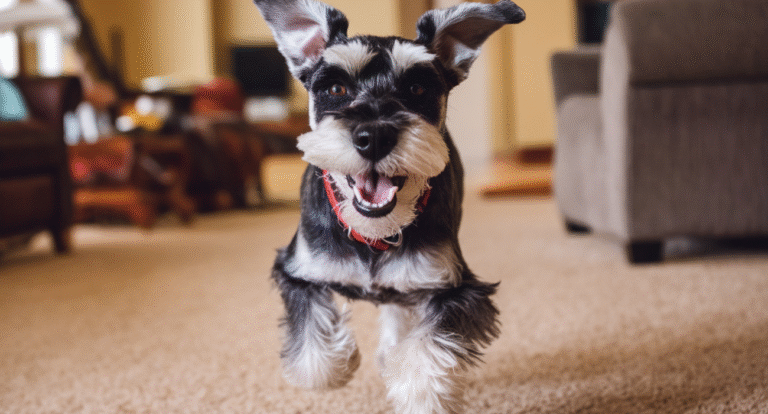
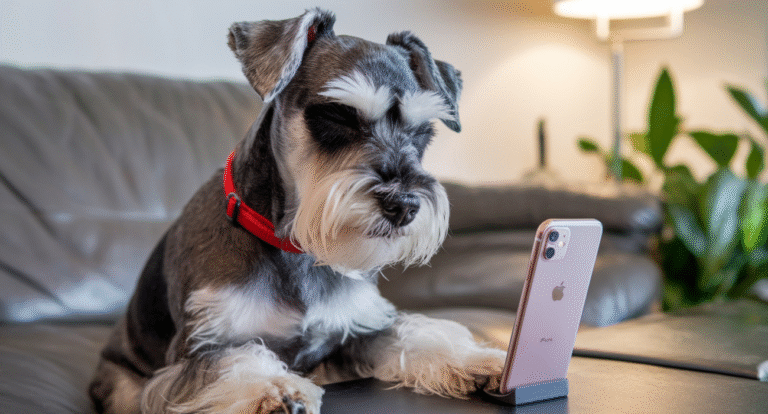
If begging for food is an issue, these ten creative solutions help your Schnauzer learn better mealtime manners without stress.
Schnauzers think about food approximately 97% of their waking hours. The other 3%? They’re probably dreaming about food. These bearded charmers have somehow convinced themselves that every meal you eat is technically their meal, generously being held in your temporary custody.
If your Schnauzer has perfected the “starving orphan” look despite being perfectly well fed, you’ve probably wondered if this is just their personality or if there’s actually something you can do about it. The truth is, that relentless begging is a learned behavior, and with the right approach, you can transform your furry little beggar into a polite dining companion.
1. Establish a Strict Feeding Schedule
Consistency is your secret weapon against a begging Schnauzer. When meals appear at random times throughout the day, your dog lives in a constant state of food anticipation. Every moment becomes a potential mealtime, which means every moment is an opportunity to beg.
Set specific feeding times and stick to them religiously. Most adult Schnauzers thrive on two meals per day, typically in the morning and evening. Puppies might need three smaller meals. The magic happens when your dog’s internal clock syncs with this schedule. They’ll learn when food is coming and relax during other times.
When your Schnauzer knows exactly when dinner arrives, the hours between meals transform from constant negotiation into peaceful coexistence.
Keep the schedule consistent on weekends too. Yes, even when you want to sleep in. Your Schnauzer doesn’t recognize the concept of Saturday, and breaking routine confuses the very system you’re trying to build. Within a few weeks, you’ll notice the begging decreases significantly during non meal hours simply because your dog understands that 3 PM is not dinner time, no matter how convincing their performance.
2. Measure Every Single Meal
Eyeballing your Schnauzer’s portions is a recipe for disaster. These dogs are master manipulators who’ll convince you they’re underfed even when they’re actually overweight. Investing in a proper measuring cup or kitchen scale takes the guesswork out of feeding.
Check the recommended portions on your dog food bag, but remember these are starting points, not gospel. Every Schnauzer has different caloric needs based on age, activity level, and metabolism. A miniature Schnauzer who runs agility courses burns calories differently than one whose main exercise is walking from the couch to the food bowl.
When you measure consistently, you maintain your dog’s ideal weight, which naturally reduces hunger driven begging. Overfeeding creates a vicious cycle where excess weight makes exercise uncomfortable, leading to less activity, which increases boredom based begging. Break the cycle with precision.
3. Ignore the Begging Completely
This sounds simple but feels impossible when those brown eyes are melting your resolve. Here’s the counterintuitive truth: any attention you give a begging Schnauzer, even negative attention, reinforces the behavior. Yelling “no” is still engagement. Looking at them is acknowledgment. Giving in “just this once” teaches them that persistence pays off.
True ignoring means becoming a statue. No eye contact. No speaking. No pushing them away. Turn your body away if necessary. If you’re eating at the table and your Schnauzer starts the begging routine, act as if they’ve become invisible.
The behavior will likely get worse before it improves. This is called an extinction burst, where your dog escalates their tactics because the old method isn’t working. They might paw more insistently, whine louder, or try new attention grabbing behaviors. Stay strong. If you cave during this phase, you’ve just taught them that super intense begging eventually works, making future training infinitely harder.
Consistency isn’t just important with ignoring begging behavior. It’s literally the only thing that works.
4. Create a “Place” Command During Human Mealtimes
Teaching your Schnauzer to go to a designated spot during your meals gives them a job and you some peace. This could be a dog bed, a mat, or a specific area of the room. The key is making this spot more rewarding than hovering near the table.
Start training “place” away from mealtimes when distractions are minimal. Use high value treats to lure your dog to their spot, then reward them for staying there. Gradually increase the duration they remain on their place before getting the reward. Practice until they can hold the position for at least 15 to 20 minutes.
When you’re ready to implement this during actual meals, send your Schnauzer to their place before you start eating. Periodically reward them with a small treat or piece of their kibble (not your food) for remaining there calmly. Over time, reduce the frequency of treats as the behavior becomes habit.
Some Schnauzers respond beautifully to having a special puzzle toy or frozen Kong available only during human mealtimes. This gives them something engaging to do in their designated spot, transforming mealtime from “when I beg” to “when I get my special enrichment activity.”
5. Exercise Before Feeding Times
A tired Schnauzer is a less demanding Schnauzer. These energetic dogs were originally bred as working farm dogs, ratters, and guard dogs. That heritage means they have energy to burn, and boredom often manifests as food fixation.
Schedule vigorous exercise sessions before your main meal times. A 20 to 30 minute walk, a game of fetch, or some training exercises can work wonders. The physical activity burns energy while mental stimulation from sniffing, exploring, or learning commands satisfies their intelligent brains.
The post exercise window is perfect for feeding because your Schnauzer’s body actually needs fuel. They’re experiencing genuine hunger rather than boredom or habit driven appetite. After eating following exercise, most dogs are content to rest and digest, giving you several hours of beg free existence.
Morning routines might look like: wake up, quick potty break, 25 minute walk exploring the neighborhood, return home for breakfast, followed by your dog napping while you get ready for work. Evening routines could include: arrive home, immediate play session in the backyard, dinner for the dog, then peaceful family dinner without an audience.
6. Switch to Puzzle Feeders and Slow Bowls
When your Schnauzer inhales their meal in 47 seconds flat, their brain doesn’t register satiation before the bowl is empty. This leaves them feeling unsatisfied despite consuming adequate calories, fueling the begging behavior.
Puzzle feeders transform mealtime into a 15 to 20 minute activity. These devices make your dog work for each piece of kibble by pawing, nudging, or manipulating the feeder. The extended eating time allows satiation signals to reach the brain, leading to a more satisfied pup.
Slow feeder bowls offer similar benefits with raised obstacles that force your Schnauzer to eat around barriers. This isn’t just about slowing down speed eaters; it’s about creating a more fulfilling meal experience. Plus, these feeders provide mental enrichment, which addresses the boredom component that often drives begging.
Rotate between different puzzle feeders to keep things interesting. A Schnauzer who solves the same puzzle daily will eventually speed through it, negating the benefits. Variety maintains the challenge and keeps meals engaging enough to satisfy both their stomach and their clever mind.
7. Train an Incompatible Behavior
Your Schnauzer can’t simultaneously lie calmly on their bed and paw at your leg for food. This is the genius of training incompatible behaviors. You’re not just stopping the begging; you’re replacing it with something else entirely.
Popular alternatives include teaching your dog to go to their crate or bed when you’re eating, training a “settle” command where they lie down at your feet without interaction, or having them hold a “place” on a mat several feet away. The behavior you choose should be physically impossible to perform while begging.
The key is proactively cueing the desired behavior before your Schnauzer starts begging. If you wait until they’re already in full beg mode, you’re essentially rewarding the begging (they begged, then you asked for an alternative behavior, then they got treats). Instead, as you prepare food or sit down to eat, immediately cue the incompatible behavior and reward your dog for performing it.
The best way to stop an unwanted behavior isn’t to punish it. It’s to teach your dog what they should be doing instead.
8. Address Potential Medical Issues
Sometimes what looks like bratty behavior actually signals a health problem. Certain medical conditions cause increased appetite or feelings of hunger that drive genuine begging rather than learned manipulation.
Diabetes, thyroid issues, Cushing’s disease, and intestinal parasites can all trigger excessive hunger. If your previously well mannered Schnauzer suddenly becomes food obsessed, or if their begging intensifies dramatically despite no changes in routine, schedule a veterinary checkup.
Some medications also increase appetite as a side effect. Prednisone and other steroids are notorious for this. If your Schnauzer requires medication that affects appetite, talk to your vet about management strategies. You might need to increase their vegetable intake (low calorie bulk), spread meals into smaller, more frequent portions, or adjust their overall diet composition.
Age related cognitive decline can also manifest as food fixation in senior Schnauzers. They might forget they’ve eaten or become confused about meal schedules. This requires compassion and potentially different management strategies than typical begging behavior in younger dogs.
9. Never Feed From Your Plate
This seems obvious, yet it’s where most people sabotage their own efforts. Every single time you share food from your plate, you’re essentially buying a lottery ticket for your Schnauzer. And dogs love gambling.
From your dog’s perspective, if begging works even occasionally, it’s worth doing constantly. Variable reinforcement (where a behavior is rewarded unpredictably) is actually more powerful than consistent reinforcement. It’s the same psychological principle that keeps people pulling slot machine levers.
When grandma visits and sneaks your Schnauzer bits of her sandwich, she’s undoing weeks of training. When you cave because it’s a special occasion, you’re teaching your dog that persistence through multiple refusals eventually pays off. When different family members have different rules, your Schnauzer learns to target the weak links.
Family meetings about this rule are crucial. Everyone in the household must commit to zero table scraps, zero exceptions. If you want to give your Schnauzer special treats, place them in their regular food bowl away from human eating areas. This breaks the association between human food and begging rewards.
10. Provide Adequate Mental Stimulation Throughout the Day
Bored Schnauzers fixate on food because, frankly, it’s the most interesting thing happening. These intelligent dogs need jobs, challenges, and mental engagement. Without it, they create their own entertainment, and pestering you for snacks becomes a fulfilling hobby.
Incorporate training sessions into your daily routine. Even five minutes of practicing commands or learning new tricks provides mental stimulation that rivals a long walk. Schnauzers excel at learning, and the mental effort of concentrating and problem solving leaves them satisfied and tired.
Rotate toys regularly so your Schnauzer always has something “new” to investigate. Hide treats or kibble around the house for scavenger hunts. Set up cardboard boxes or paper bags (handles removed) for exploratory play. Freeze treats in ice cubes for summer entertainment. These activities occupy their mind and body, reducing the mental space available for plotting their next begging campaign.
Consider activities beyond your home too. Schnauzer meetups, group training classes, or even just changing up your walking routes provides novelty and stimulation. A Schnauzer who’s had an enriching day focused on various activities doesn’t obsess over food the way an under stimulated dog does. Their world becomes bigger than just the kitchen.