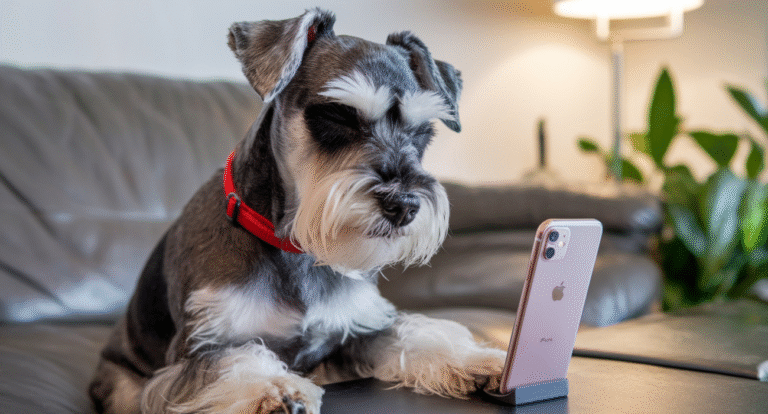
Turn your Schnauzer into everyone’s favorite dog with these quick social tips and confidence boosters for any personality.
Walk into any room with a well trained Schnauzer and watch what happens. Conversations pause. Hands reach out. Smiles spread across faces. These dogs possess an undeniable magnetism that, when properly cultivated, makes them absolutely irresistible.
The journey from “spirited handful” to “everyone’s favorite” isn’t about suppressing your Schnauzer’s feisty nature. It’s about teaching them when to unleash that personality and when to dial it back. It’s about confidence without chaos, friendliness without overwhelming enthusiasm, and charm that doesn’t come with a side of ankle nipping.
The Schnauzer Personality
Before we dive into training techniques, let’s talk about what makes these bearded wonders tick. Schnauzers were originally bred as ratters and guard dogs on German farms. This heritage gave them a particular cocktail of traits: intelligence, fearlessness, and a healthy dose of I know best attitude.
These aren’t Labradors who live to please. Schnauzers are more like that brilliant coworker who’s incredibly capable but needs to understand the “why” behind every request. They’re problem solvers, which means they’ll figure out how to open cabinets, escape yards, and manipulate you into extra treats if you’re not careful.
The upside? This intelligence makes them remarkably trainable once you crack the code. Schnauzers want mental stimulation. They’re bored by mindless repetition but thrive on challenges and variety. Understanding this is your first step toward having a Schnauzer that impresses everyone.
Socialization: The Foundation of Likability
Start Early (But It’s Never Too Late)
The window for prime puppy socialization is between 3 and 14 weeks, but here’s some good news: adult Schnauzers can still learn to be social butterflies. It just takes more patience and consistency.
Expose your Schnauzer to everything. Different people (tall, short, wearing hats, using wheelchairs), various environments (parks, cafes, busy streets), other animals, and strange sounds. The goal isn’t just exposure; it’s creating positive associations with novelty.
The more diverse experiences your Schnauzer has during their formative months, the more confident and adaptable they’ll become in any situation life throws their way.
The Right Way to Meet and Greet
Schnauzers can be territorial and suspicious of strangers. This trait made them excellent farm guardians but can make them seem standoffish at the dog park. Teaching proper greeting behavior is non negotiable.
Practice the “sit for pets” routine religiously. Your Schnauzer doesn’t get attention from new people until their bottom hits the ground. No jumping, no excessive barking, no aggressive sniffing. At first, this will require treats, patience, and enlisting friends as training partners.
With other dogs, watch your Schnauzer’s body language carefully. Some are naturally social; others need slow introductions. Never force interactions, but do reward calm, appropriate behavior around other dogs with high value treats and praise.
Training Techniques That Actually Work
Make It a Game
Remember: Schnauzers bore easily. Traditional repetitive training sessions will have them mentally checking out faster than you can say “sit, stay, come.” Instead, turn everything into a challenge or game.
Hide and seek with treats teaches “come” better than calling them twenty times in the backyard. Setting up obstacle courses teaches “jump,” “through,” and “around” while keeping their intelligent minds engaged. The more fun they’re having, the more they’ll cooperate.
| Training Method | Schnauzer Engagement Level | Best For |
|---|---|---|
| Repetitive Drills | Low | Basic obedience (use sparingly) |
| Game Based Learning | Very High | Recall, agility, problem solving |
| Clicker Training | High | Precise behaviors, trick training |
| Scent Work | Extremely High | Mental stimulation, natural instincts |
| Group Classes | Medium to High | Socialization, distraction training |
The Power of Consistency
Here’s where many Schnauzer owners fail: inconsistency. These dogs are smart enough to notice when rules change depending on who’s enforcing them or what mood you’re in. If jumping on the couch is forbidden on Monday but acceptable on Friday, your Schnauzer will constantly test boundaries.
Every family member needs to use the same commands, enforce the same rules, and reward the same behaviors. Yes, this means having actual conversations about whether the dog is allowed on furniture or gets fed table scraps. United front = well behaved Schnauzer.
Grooming and Presentation Matter
Let’s address the elephant (or rather, the bearded dog) in the room: Schnauzers require regular grooming. A scruffy, matted Schnauzer with crusty eye stains and overgrown nails won’t win any popularity contests, no matter how sweet their personality.
Professional grooming every 6 to 8 weeks keeps that iconic Schnauzer look sharp. Between appointments, brush several times weekly to prevent matting, especially around the legs and beard. Clean their beard daily (yes, daily) after meals. Those magnificent face furnishings are food magnets.
A well groomed Schnauzer doesn’t just look better; they feel better, act more confident, and naturally attract more positive attention from admirers.
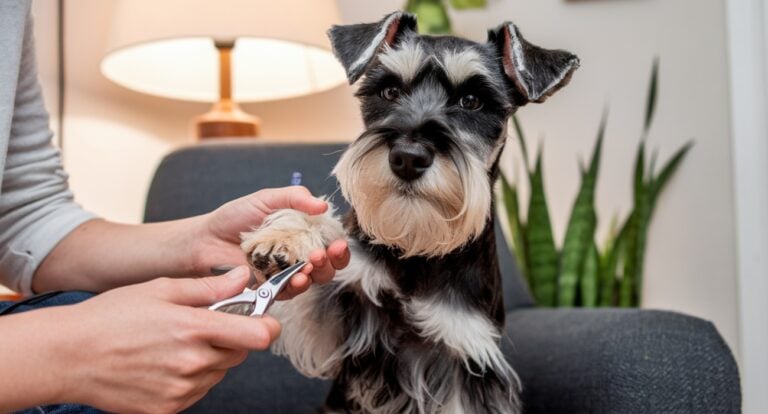
Nail trims, teeth brushing, and ear cleaning round out the maintenance routine. This isn’t vanity; it’s respect for the breed and consideration for everyone who interacts with your dog. Nobody wants to pet a dog that smells like old cheese and has nails that scratch like razor blades.
Teaching Tricks and Commands That Impress
Basic obedience is expected. Teaching your Schnauzer impressive tricks? That’s what separates the “good dogs” from the “everyone’s favorite dogs.”
Beyond Sit and Stay
Start with shake/high five. This simple trick makes your Schnauzer appear friendly and engaging. Move on to spin or twirl, which showcases their agility and coordination. Play dead always gets laughs and demonstrates impressive impulse control.
For advanced students, try bring me a tissue, close the door, or find my keys. Schnauzers excel at task oriented tricks that let them feel useful. Their herding and hunting background makes them natural retrievers and problem solvers.
Public Performance
Practice commands in distracting environments progressively. Start in your quiet living room, then your yard, then a quiet park, then a busy park. This gradual increase in difficulty builds reliability.
Your Schnauzer should respond to basic commands even when there are squirrels, other dogs, or interesting smells competing for attention. This is what impresses people: a Schnauzer who listens amid chaos.
Managing That Signature Schnauzer Sass
The Barking Issue
Schnauzers were bred to alert their humans to everything unusual. Unfortunately, they consider many things unusual: the mailman’s daily arrival, leaves blowing past the window, neighbors existing in their own yards.
You’ll never eliminate barking entirely (nor should you want to), but you can teach “quiet” commands and redirect excessive alert barking. The key is acknowledging what they’re alerting you to (“I see it, thank you!”) and then requiring silence.
Rewarding quiet behavior is equally important as correcting excessive noise. When your Schnauzer could bark but chooses not to, that deserves major praise and treats.
Stubbornness Versus Independence
There’s a fine line between a confident, independent dog and one who simply ignores you. Schnauzers walk this line daily. The solution isn’t dominance or force; it’s making cooperation more rewarding than stubbornness.
High value treats (real chicken, cheese, special dog treats) should be reserved for moments when your Schnauzer chooses to listen despite really wanting to do something else. Make the reward so good that next time, they’ll think twice before ignoring you.
Creating Positive Interactions with Everyone
Teaching Gentle Behavior with Children
Schnauzers can be wonderful with kids, but their natural bossiness means they might try to herd or correct children they perceive as “unruly pack members.” Supervised interactions and teaching both the dog and children appropriate behavior prevents problems.
Your Schnauzer should understand that children are higher in the family hierarchy. Kids should learn not to tease, grab beards, or shriek directly in the dog’s face (surprisingly common). When both parties follow rules, beautiful friendships form.
Welcoming Guests Without Chaos
Nothing ruins a Schnauzer’s reputation faster than aggressive door greetings. That combination of loud barking and jumping creates an impression of an out of control dog, even if they’re just excited.
Practice doorbell desensitization. Ring the bell, reward calm behavior, repeat approximately seven thousand times. Teach “place” command where your Schnauzer goes to a specific bed or mat when guests arrive. They can greet people after demonstrating self control.
The difference between an annoying Schnauzer and a beloved one often comes down to five seconds of impulse control at the front door.
Exercise and Mental Stimulation
A tired Schnauzer is a well behaved Schnauzer. These aren’t couch potatoes; they need both physical exercise and mental challenges to prevent destructive or annoying behaviors.
Daily walks aren’t enough. Add fetch sessions, swimming if possible, agility training, or interactive puzzle toys. Schnauzers particularly excel at scent work; hide treats around your house or yard and let them hunt. This taps into their natural instincts while burning energy.
Bored Schnauzers become problem Schnauzers. They’ll bark excessively, dig, chew inappropriate items, or develop obsessive behaviors. A well exercised, mentally stimulated Schnauzer is calm, focused, and pleasant to be around.
Health and Wellness for Peak Performance
Even the best trained Schnauzer won’t be anyone’s favorite if they’re struggling with health issues. Regular vet checkups, proper nutrition, and attention to breed specific concerns keep your dog feeling their best.
Schnauzers are prone to certain conditions: pancreatitis (avoid high fat foods), bladder stones (monitor water intake and bathroom habits), and eye issues. Preventive care costs less than emergency treatments and keeps your pup comfortable and happy.
A healthy Schnauzer has energy for training, patience for interactions, and the physical comfort needed to be social and engaged. Don’t skimp on healthcare; it’s foundational to everything else.
The Long Game: Consistency Over Time
Transforming your Schnauzer into everyone’s favorite isn’t a weekend project. It’s months and years of consistent training, socialization, and reinforcement. Some days you’ll feel like a brilliant dog trainer. Other days your Schnauzer will ignore everything you’ve taught them because a particularly interesting bird flew by.
This is normal. Progress isn’t linear with any dog, especially not with independent thinking breeds like Schnauzers. What matters is the overall trajectory. Are they better behaved than last month? More social than last year? That’s success.
The payoff, though? Absolutely worth it. A well trained, properly socialized Schnauzer isn’t just tolerated; they’re actively sought out. People request their company. Other dogs want to play with them. They become ambassadors for the breed, changing minds about these sometimes misunderstood dogs.
Your Schnauzer already has the raw materials: intelligence, personality, and enough confidence for three dogs. Your job is simply to shape those qualities into something that makes everyone’s day a little brighter when your bearded friend trots into view.