A clean face matters. Learn how to keep your Schnauzer’s beard soft, fresh, and odor-free without much hassle.
Introduction 1:
What do food particles, dirt, drool, and mystery gunk all have in common? They absolutely love taking up residence in your Schnauzer’s magnificent facial fur. That adorable beard and those expressive eyebrows weren’t designed with easy maintenance in mind, which is why so many Schnauzer parents find themselves battling crusty, smelly, or stained facial hair on what feels like a daily basis.
Fortunately, there’s a better way than constantly scrubbing your pup’s face or accepting that “eau de wet dog” is just your new normal. Let’s dive into the practical strategies that’ll keep your Schnauzer looking and smelling their absolute best.
The Schnauzer Facial Fur Challenge
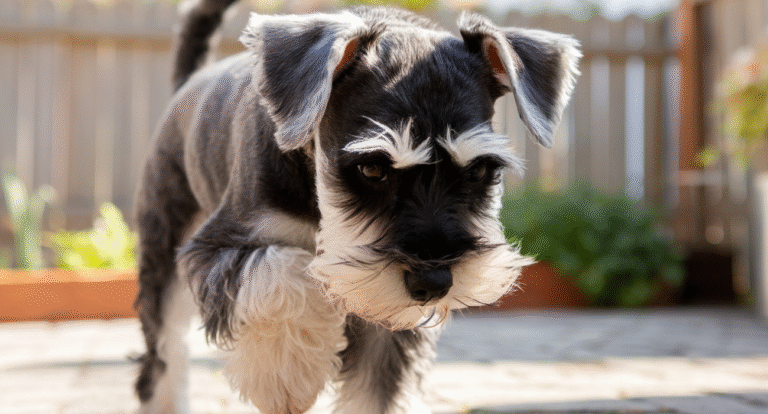
Schnauzers come equipped with a double coat that’s as functional as it is fashionable. That wiry outer layer protects them from the elements, while the softer undercoat provides insulation. Their facial fur, however, operates in its own special category of high maintenance. The beard grows long and dense, perfect for trapping every morsel of food, drop of water, and outdoor adventure memento your dog encounters.
The eyebrows, meanwhile, can grow long enough to obstruct vision if left unchecked. This isn’t just about aesthetics; it’s about your dog’s comfort and health. Dirty, matted facial fur can harbor bacteria, cause skin irritation, and create those notorious tear stains that plague lighter colored Schnauzers. The moisture that gets trapped in beard hair creates the perfect breeding ground for yeast and bacteria, which explains that distinctive funky smell that develops between baths.
Understanding why Schnauzer faces get so grimy helps you tackle the problem strategically rather than just reactively wiping and hoping for the best.
Daily Maintenance Makes Everything Easier
Here’s the secret that separates struggling Schnauzer owners from successful ones: daily facial maintenance beats weekly deep cleaning every single time. Spending five minutes each day on basic care prevents the buildup that leads to major grooming sessions and unhappy dogs.
After every meal, take a damp cloth or pet safe wipe and gently clean around your Schnauzer’s mouth and beard. Focus on the areas closest to the lips where food residue accumulates most heavily. This simple habit prevents food from drying and hardening into crusty deposits that become exponentially harder to remove later.
Water bowl maintenance deserves equal attention. Each time your Schnauzer drinks, pat their beard dry with a clean towel. Yes, this might feel excessive at first, but that constant dampness is your enemy. Think of it like leaving a wet towel on your bathroom floor; eventually, it’s going to smell funky and potentially develop mildew.
Consistency beats intensity when it comes to facial grooming. Small daily efforts prevent the major problems that require aggressive intervention.
Consider keeping grooming supplies in multiple locations throughout your home. A package of pet wipes near the food bowls, a dedicated towel in the living room, and a grooming kit in your main bathroom ensures you’re never more than a few steps away from a quick cleanup.
The Right Tools Transform Your Routine
Not all grooming tools are created equal, and using the wrong implements can actually make your job harder. Let’s break down what actually works for Schnauzer facial maintenance:
| Tool | Purpose | Why It Works |
|---|---|---|
| Stainless Steel Comb | Detangling and removing debris | Smooth teeth glide through wiry fur without snagging; easy to clean |
| Pet Safe Wipes | Quick cleanups after meals and drinks | Gentle on skin, convenient for multiple daily uses |
| Slicker Brush | Removing loose undercoat from beard area | Reaches through top coat to prevent matting underneath |
| Tearless Facial Shampoo | Weekly or biweekly washing | pH balanced for sensitive facial skin, won’t sting eyes |
| Microfiber Towels | Drying after cleaning or drinking | Highly absorbent, gentle texture won’t irritate skin |
Invest in quality versions of these basics rather than accumulating dozens of specialty products. A truly good stainless steel comb will outlast cheap alternatives by years and work better from day one.
For the beard specifically, a fine tooth metal comb works wonders for daily debris removal. Comb through the beard before it dries completely after meals or drinks; wet or damp hair releases trapped particles much more easily than fully dried, matted fur.
Washing Techniques That Actually Work
When it’s time for a proper facial wash, technique matters more than the specific products you’re using. Start by thoroughly wetting the entire facial area with lukewarm water. Temperature matters here; water that’s too hot can irritate sensitive facial skin, while cold water won’t effectively remove oils and grime.
Apply a small amount of tearless facial shampoo specifically formulated for dogs. Human products, even baby shampoo, can disrupt the pH balance of canine skin and lead to irritation or dryness. Work the shampoo into a lather, paying special attention to the beard, mustache area, and around the eyes where tear stains accumulate.
Use circular motions with your fingertips to really work the shampoo down to the skin level. Surface cleaning won’t address the root causes of odor and buildup. Many Schnauzer owners make the mistake of only washing the outer layer of fur, leaving the undercoat and skin still dirty.
Rinsing requires patience and thoroughness. Leftover shampoo residue attracts dirt like a magnet and can cause skin irritation. Keep rinsing until the water runs completely clear and you can’t feel any slippery shampoo texture in the fur. This usually takes longer than you think it should.
The drying process is just as important as the washing. Trapped moisture in the undercoat leads directly to that characteristic “wet dog” smell and creates conditions for bacterial growth.
Use a clean microfiber towel to blot and squeeze excess water from the beard and facial fur. Avoid aggressive rubbing, which can tangle the fur and irritate skin. If your Schnauzer tolerates it, a pet safe blow dryer on the cool setting can help thoroughly dry the deeper layers of facial fur. Keep the dryer moving and maintain several inches of distance from the skin.
Tackling Tear Stains and Discoloration
Those reddish brown streaks under the eyes are more than just cosmetic issues; they indicate excess tearing that needs attention. Several factors contribute to tear staining in Schnauzers: genetics, eye shape, blocked tear ducts, allergies, or even low quality diet ingredients.
Start by identifying the cause. Schedule a vet visit to rule out blocked tear ducts or eye infections. If health issues are cleared, examine your dog’s diet. Low quality foods with lots of fillers and artificial additives can increase tearing and make stains worse. Many Schnauzer owners report significant improvement after switching to higher quality, grain free options.
For existing stains, consistency is key. Daily cleaning with a tear stain remover solution (or a homemade mixture of equal parts filtered water and hydrogen peroxide for lighter stains) gradually lightens discoloration. Apply with a cotton pad, working from the inner corner outward, and keep the solution away from the actual eye.
Some Schnauzer parents swear by adding a small amount of apple cider vinegar to drinking water, claiming it changes the pH of tears and reduces staining. While evidence is mostly anecdotal, it’s worth trying under veterinary guidance.
Keeping Things Soft and Touchable
Wiry doesn’t have to mean coarse or brittle. Maintaining softness in Schnauzer facial fur requires proper hydration from both inside and outside. Ensure your dog drinks plenty of fresh water daily; dehydration affects coat quality just like it affects human hair.
After washing and fully drying facial fur, consider using a leave in conditioner spray specifically formulated for dogs. These products add moisture without leaving greasy residue. Spray lightly on the beard and eyebrows, then comb through to distribute evenly.
Natural oils can work wonders for softness. A tiny amount (we’re talking a drop or two) of coconut oil, worked through the beard once or twice weekly, conditions fur without creating that greasy, dirty appearance. The key word here is moderation; too much oil attracts dirt and defeats your cleaning efforts.
Regular trimming also contributes to overall softness. Split ends and overgrown scraggly fur feel coarse and wiry. A professional groomer can maintain the proper Schnauzer cut while removing damaged ends. Between professional appointments, carefully trim any exceptionally long or wild hairs that stick out from the general facial shape.
Preventing Rather Than Fixing
The absolute best approach to Schnauzer facial maintenance is preventing problems before they develop. This mindset shift changes everything. Instead of constantly fighting mats, odors, and stains, you’re maintaining a baseline of cleanliness that’s exponentially easier to uphold.
Consider your dog’s environment and activities. Does your Schnauzer dig in the yard? Those whiskers are going to collect dirt. Create a paw and face cleaning station near your back door with supplies ready for quick cleanups after outdoor adventures.
Evaluate food and water bowl choices. Shallow, wide bowls allow beards to drag through food and water less than deep, narrow ones. Stainless steel or ceramic options clean more thoroughly than plastic and don’t harbor bacteria in scratches.
Prevention costs less time, money, and frustration than constantly addressing advanced grooming problems. Build habits that stop issues from developing in the first place.
Training plays a role too. Teaching your Schnauzer to accept facial handling calmly makes every aspect of grooming easier. Start when they’re young if possible, rewarding calm behavior during face touching and cleaning. Even adult dogs can learn to tolerate or even enjoy grooming time with patient, positive reinforcement.
Addressing Persistent Odor Issues
If you’re maintaining a regular cleaning routine but still battling persistent odors, it’s time to investigate deeper. That smell might be coming from within rather than from surface dirt. Dental problems frequently manifest as facial odor in Schnauzers. Check your dog’s teeth and gums; tartar buildup, gum disease, or tooth decay creates odors that no amount of beard washing will eliminate.
Similarly, ear infections can contribute to overall facial stinkiness, especially if your Schnauzer rubs their face on furniture or carpet due to ear discomfort. Inspect ears regularly for redness, discharge, or unusual smell.
Skin fold dermatitis occasionally occurs where the beard meets the muzzle, particularly in dogs with very full beards. These warm, moist areas can develop bacterial or yeast infections that smell distinctly unpleasant. If you notice redness, inflammation, or especially stinky spots, consult your veterinarian rather than just washing more frequently.
Sometimes persistent odor indicates the need for professional grooming. A groomer can provide deeper cleaning and coat treatments that aren’t practical at home. They can also identify potential skin issues that might be hiding under all that facial fur.
Making It Sustainable
The perfect grooming routine is worthless if you can’t maintain it long term. Be realistic about your schedule and energy levels. A complex, time intensive routine you’ll abandon after two weeks helps nobody.
Start with the absolute basics: post meal wipe downs and weekly washing. Once those become habit, add other elements like daily combing or conditioning treatments. Building gradually creates sustainable habits rather than overwhelming yourself into giving up entirely.
Get the whole family involved. If multiple people share Schnauzer care duties, everyone needs to understand and participate in facial maintenance. Create a simple checklist or routine card that keeps everyone on the same page.
Celebrate small wins. Notice when your Schnauzer’s beard stays cleaner longer or when that smell takes an extra day to develop. Progress, not perfection, is the goal. Some dogs naturally require more maintenance than others due to coat type, activities, or individual chemistry. Comparing your Schnauzer to someone else’s perfectly pristine pup on social media is a recipe for frustration.
Remember that grooming time can be bonding time. Approach it with calm patience rather than viewing it as a chore to rush through. Your Schnauzer picks up on your energy; relaxed, gentle handling creates a positive association with grooming that benefits you both for years to come.