Biting can be confusing and frustrating. Understand why your Schnauzer bites and learn how to stop this behavior for good.
Getting nipped by your Schnauzer hurts both physically and emotionally. You brought home this clever, bushy eyebrowed companion expecting cuddles and companionship, not teeth marks on your favorite shoes or fingers. But here’s the thing about Schnauzers; they’re ridiculously smart, which means they can learn bad habits just as quickly as good ones.
Before you despair, know that biting behavior is incredibly common and almost always fixable. Your Schnauzer isn’t broken or mean spirited. They’re just communicating in the only way they know how, and it’s up to us to teach them better methods.
Understanding the Schnauzer Temperament
Before we dive into solutions, let’s talk about what makes Schnauzers tick. These dogs were originally bred in Germany to guard property and hunt vermin. That means they’re naturally alert, protective, and a bit feisty. It’s in their DNA to react quickly and defend their space.
Schnauzers come in three sizes (Miniature, Standard, and Giant), but they all share similar personality traits. They’re intelligent to the point of being stubborn, loyal to their families, and suspicious of strangers. This combination can sometimes manifest as defensive or reactive behavior, including biting.
Think of your Schnauzer as having the personality of a grumpy professor who’s brilliant but doesn’t suffer fools gladly. They have opinions, and they’re not afraid to express them.
Common Reasons Why Schnauzers Bite
Puppy Mouthing and Teething
If you have a Schnauzer puppy, congratulations! You’re experiencing one of the most common and fixable forms of biting. Puppies explore their world with their mouths, and between 3 to 6 months old, they’re teething like crazy. Those little needle teeth need to chomp on something, and unfortunately, your hands seem like convenient targets.
Puppy mouthing isn’t aggressive; it’s developmental. Your puppy doesn’t understand that human skin is more delicate than their littermate’s fur. In a litter, puppies learn bite inhibition by playing with siblings. When one bites too hard, the other yelps and stops playing. Without that feedback, your puppy doesn’t learn where the line is.
Fear and Anxiety
Schnauzers are naturally wary of unfamiliar situations and people. When a Schnauzer feels threatened or cornered, biting becomes a defensive mechanism. This is especially common in dogs who weren’t properly socialized as puppies or who’ve had negative experiences.
Fear biting often happens during:
- Vet visits
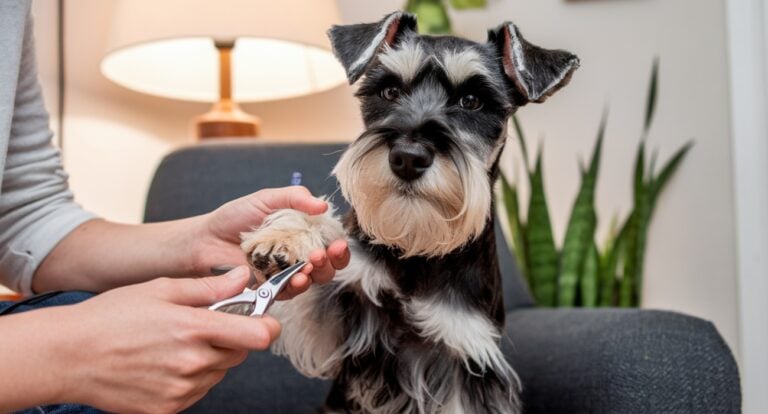
- Grooming sessions
- Encounters with strangers
- Loud or chaotic environments
- When the dog is startled or in pain
A fearful bite isn’t aggression. It’s a panic response from a dog who feels they have no other options. Understanding this difference changes everything about how you approach the solution.
Territorial and Protective Behavior
Remember that guarding heritage? Schnauzers take their job as family protectors seriously. They may bite when they perceive a threat to their home, family, or resources. This can include guarding their food bowl, favorite toys, or even their preferred spot on the couch.
Resource guarding is surprisingly common and doesn’t mean your dog is dominant or bad. It means they’re insecure about losing something valuable. The behavior often worsens if punished, creating a vicious cycle.
Pain or Medical Issues
Sometimes biting is a symptom of an underlying health problem. A Schnauzer who’s normally gentle but suddenly starts snapping might be experiencing pain. Dental issues, arthritis, ear infections, or internal discomfort can all cause a dog to bite when touched in sensitive areas.
If your Schnauzer’s biting behavior appears suddenly or is accompanied by other changes (lethargy, loss of appetite, limping), schedule a vet appointment immediately.
Overstimulation and Overexcitement
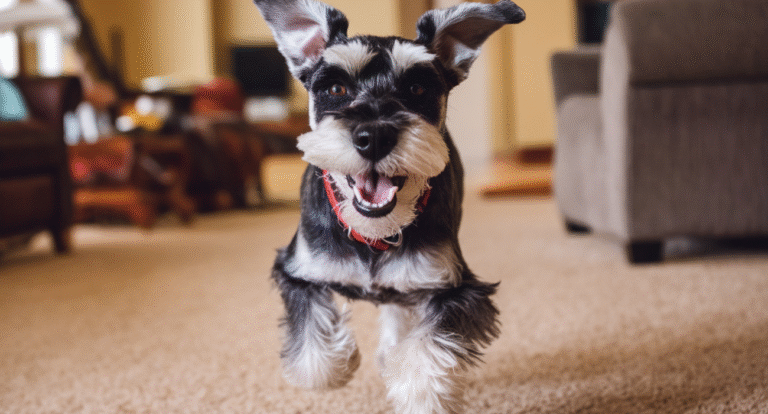
Schnauzers are energetic dogs who can get wound up during play. When they become overexcited, they may start nipping and biting as part of the frenzy. This is different from aggressive biting but still needs addressing because it can escalate and cause injury.
You’ll recognize overstimulation biting by the context: it happens during high energy play, the dog’s body language is loose and wiggly (not stiff), and they’re making playful noises.
How to Prevent and Stop Biting Behavior
Start with Proper Socialization
Socialization is the foundation of good behavior. Expose your Schnauzer to various people, animals, environments, and experiences starting as early as possible (typically after initial vaccinations). The critical socialization window closes around 16 weeks, but adult dogs can still benefit from gradual, positive exposure.
Create positive associations with new experiences by bringing treats and keeping sessions short and upbeat. If your Schnauzer seems overwhelmed, back off and try again later at a lower intensity.
Teach Bite Inhibition
For puppies and young dogs, bite inhibition training is crucial. When your Schnauzer bites during play, immediately yelp loudly (like a puppy would) and stop all interaction. Turn away and ignore them for 10 to 20 seconds. Then resume playing.
The sequence looks like this:
| Step | Action | Purpose |
|---|---|---|
| 1 | Puppy bites too hard during play | Natural behavior occurs |
| 2 | You yelp loudly and stop moving | Mimics littermate response |
| 3 | Turn away and ignore for 10 to 20 seconds | Removes reward (your attention) |
| 4 | Resume play calmly | Shows acceptable play continues when gentle |
| 5 | Repeat consistently every time | Builds association between hard biting and fun stopping |
Consistency is everything. Every family member needs to respond the same way.
Redirect to Appropriate Chew Items
Always have approved chew toys available. When your Schnauzer goes for your hand, immediately redirect them to a toy. Praise enthusiastically when they chew the appropriate item. Over time, they’ll learn that toys bring rewards while hands bring nothing.
Rotate toys regularly to keep them interesting. Schnauzers are smart and get bored easily.
Address Fear Based Biting
Never punish a fearful dog, as this confirms their worst fears and makes the problem worse. Instead, work on building confidence through positive reinforcement training. Desensitization and counterconditioning are your best tools here.
If your Schnauzer bites out of fear, your job isn’t to eliminate the fear object. Your job is to change how your dog feels about that object. This requires patience, treats, and tiny incremental steps.
Gradually expose your dog to the fear trigger at a distance where they notice it but don’t react. Immediately provide high value treats. Over many sessions, slowly decrease the distance. This teaches your dog that the scary thing predicts good stuff.
Manage Resource Guarding
For resource guarding, the trade up method works wonders. When your Schnauzer has something they’re guarding, approach calmly and offer something even better (a special treat or favorite toy). As they drop the original item to take the better one, praise warmly.
Never try to forcefully take items from a resource guarding dog. This escalates the behavior and can result in serious bites.
Exercise and Mental Stimulation
A tired Schnauzer is a well behaved Schnauzer. These dogs need both physical exercise and mental challenges. Aim for at least 30 to 60 minutes of activity daily, split into multiple sessions.
Mental enrichment is equally important:
- Puzzle toys and food dispensing toys
- Training sessions teaching new tricks
- Scent work and hide and seek games
- Agility or other dog sports
Use Positive Reinforcement Training
Reward based training is the gold standard for modifying behavior. When your Schnauzer is calm and gentle, shower them with praise, treats, and attention. Catch them being good and make a big deal about it.
Avoid punishment based methods (yelling, physical corrections, shock collars). These might suppress biting temporarily but don’t address the underlying cause and often create new behavioral problems including increased aggression.
Establish Clear Boundaries
Schnauzers respect consistent rules. Decide what behaviors are acceptable in your household and enforce those rules uniformly. If your Schnauzer isn’t allowed on the furniture, don’t let them up “just this once.” Inconsistency confuses dogs and undermines training.
Use commands like “leave it,” “drop it,” and “gentle” to communicate expectations clearly.
When to Seek Professional Help
Some biting problems require expert intervention. Consider hiring a certified professional dog trainer or veterinary behaviorist if:
- Your Schnauzer’s bites are causing injury
- The biting is escalating in frequency or intensity
- You feel unsafe around your dog
- Fear or aggression based biting doesn’t improve with basic training
- You’re unsure about the cause of the behavior
There’s no shame in asking for help. Professional trainers have tools and experience that can fast track progress and keep everyone safe.
Working with a professional isn’t admitting defeat. It’s taking responsible action to ensure your Schnauzer becomes the best version of themselves. Sometimes we all need a coach.
Prevention for New Schnauzer Owners
If you’re bringing home a new Schnauzer, you can prevent biting problems before they start:
Choose a reputable breeder who prioritizes temperament and provides early socialization. Meet the parents if possible to assess temperament.
Start training immediately. Even eight week old puppies can learn basic commands and appropriate behavior. Early intervention prevents problems from developing.
Handle your puppy regularly. Touch their paws, ears, mouth, and tail gently while providing treats. This desensitizes them to handling and makes grooming and vet visits easier.
Supervise interactions between your Schnauzer and children. Teach kids to respect the dog’s space and recognize stress signals.
The Bottom Line on Schnauzer Biting
Your Schnauzer’s biting behavior didn’t develop overnight, and it won’t disappear instantly either. Change requires patience, consistency, and understanding. These intelligent, spirited dogs have so much to offer when their needs are met and they’re taught appropriate ways to communicate.
Remember that behind every bite is a reason, whether it’s fear, excitement, pain, or simply not knowing better. Your job is detective work: figure out the trigger, address the underlying need, and teach alternative behaviors. With time and effort, those snapping jaws can transform into gentle kisses and that’s a goal worth working toward.