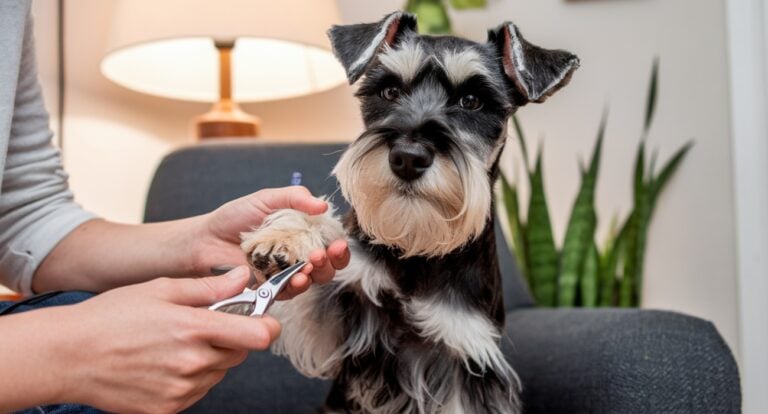
Enjoy a fresh-smelling home even with a furry friend. These expert-approved tricks banish pet odors and make your living space inviting again.
There’s a special kind of panic that sets in when unexpected guests text “be there in 20 minutes!” and your house smells like… well, like a Schnauzer lives there. You love your furry roommate fiercely, but you’d also love to open your front door without immediately apologizing for the smell. Sound familiar?
Your Schnauzer doesn’t have to be synonymous with a stinky house. Really! With the right combination of grooming routines, cleaning hacks, and strategic air freshening, you can create a living space that smells incredible while still giving your pup full run of the place. It’s time to reclaim your home’s fresh scent without sacrificing puppy snuggles.
The Schnauzer Smell Situation
Before you can fix the problem, you need to understand what you’re dealing with. Schnauzers aren’t the stinkiest breed out there (looking at you, Basset Hounds), but they come with their own unique aromatic challenges. That magnificent beard? It’s basically a smell sponge, soaking up everything from food particles to water bowl backwash. Their wiry double coat traps oils and dander like nobody’s business.
Plus, Schnauzers are prone to certain skin conditions that can amplify odor issues. Seborrhea, yeast infections, and excessive oil production all contribute to that “special” Schnauzer funk. Understanding these factors helps you target the real sources instead of just masking symptoms with air freshener.
The Main Culprits Behind Dog Odor
Let’s get specific about where these smells originate. Beard and facial furnishings top the list, collecting food debris, drool, and bacteria throughout the day. The paw pads come next; those little feet track in outdoor funk and develop their own yeasty smell between the toes. Don’t forget the ears, which can harbor infections that produce surprisingly powerful odors, and the anal glands, which occasionally need expressing (yes, it’s as glamorous as it sounds).
Creating a Grooming Schedule That Actually Works
Your first line of defense is regular grooming, but we’re not talking about sporadic baths when things get desperate. You need a consistent, strategic approach that prevents odors from taking hold in the first place.
| Grooming Task | Frequency | Why It Matters |
|---|---|---|
| Full Bath | Every 4-6 weeks | Removes built-up oils and deep-seated odors |
| Beard Washing | 2-3 times per week | Prevents food and bacteria accumulation |
| Brushing | Daily | Distributes oils, removes dead hair and dander |
| Paw Cleaning | After every walk | Stops outdoor smells from entering home |
| Ear Cleaning | Weekly | Prevents infection-related odors |
| Teeth Brushing | 3-4 times per week | Eliminates bad breath at the source |
The Beard: Your Biggest Battle
That glorious Schnauzer beard is basically a portable odor factory if you’re not careful. Food gets trapped in there, water creates a damp environment perfect for bacterial growth, and before you know it, your dog’s face smells like a fermented science experiment. Invest in a good beard shampoo specifically formulated for dogs, and make washing it a routine part of your evening.
Between full washes, use grooming wipes designed for facial furnishings. Keep a towel by the water bowl and dab that beard dry after every drink. Yes, every drink. It sounds excessive until you smell the difference. Some Schnauzer owners swear by beard balms or conditioners that help repel moisture and keep the hair from becoming a bacterial playground.
Strategic House Cleaning for Pet Owners
Regular house cleaning takes on new importance when you share space with a Schnauzer. Their dander settles on every surface, their oils transfer to furniture, and their presence just… lingers. You need to clean smarter, not just harder.
The reality check: If you’re only vacuuming once a week, you’re fighting a losing battle. Pet hair and dander accumulate faster than you think, and they’re the foundation of that pervasive dog smell that seems to live in your carpet.
Vacuum at least three times weekly, focusing on areas your Schnauzer frequents. Use a vacuum with a HEPA filter that actually traps pet dander instead of recirculating it through your air. Wash any fabric your dog touches regularly; those throw blankets and dog beds should hit the washing machine weekly, minimum.
The Power of Strategic Fabric Management
Here’s something most people don’t think about: fabrics are smell magnets. Your curtains, couch cushions, rugs, and even lampshades are absorbing dog odors constantly. Steam cleaning upholstery every few months makes an incredible difference. For items you can’t throw in the washer, enzyme cleaners specifically designed for pet odors work wonders.
Consider covering your furniture with washable throws rather than letting your Schnauzer directly contact your actual couch fabric. It’s so much easier to toss a blanket in the laundry than to deep clean an entire sofa. Some Schnauzer parents keep “dog-friendly zones” with easily washable covers and restrict access to areas with more delicate fabrics.
Air Quality: The Invisible Game Changer
You could clean obsessively and groom daily, but if your air quality stinks (literally), your house will too. Invest in quality air purifiers with activated carbon filters that actually remove odors rather than just circulating air around. Place them strategically in rooms where your Schnauzer spends the most time.
Open your windows regularly, even in winter. Fresh air circulation is shockingly effective at eliminating stale, trapped odors. Running ceiling fans helps keep air moving and prevents that heavy, closed-in smell from developing. If you live somewhere humid, a dehumidifier can prevent that musty, damp dog smell from taking hold.
Natural vs. Chemical Air Fresheners
Skip the plug-in air fresheners that just layer artificial scent over dog smell; you’ll end up with “lavender dog” instead of actual freshness. Instead, simmer herbs and citrus peels on the stove for natural fragrance. Essential oil diffusers (using dog-safe oils only!) add pleasant scents without chemicals. Baking soda boxes in strategic locations absorb odors passively.
The non-negotiable truth: Masking smells never works long-term. You have to eliminate the source, then add pleasant scents as a finishing touch, not a solution.
Floor Care That Makes a Difference
Your floors take the biggest beating from your Schnauzer. Those paws track in outdoor smells, accidents happen occasionally, and dog oils transfer to hard surfaces and settle into carpet fibers. Mopping hard floors with an enzymatic cleaner at least twice weekly prevents buildup of organic matter that creates lingering smells.
For carpets, go beyond regular vacuuming. Sprinkle baking soda across carpeted areas, let it sit for 30 minutes to absorb odors, then vacuum thoroughly. Do this weekly for high-traffic dog areas. Professional carpet cleaning every six months isn’t optional; it’s essential for maintaining truly fresh carpets.
Tackling the Accident Zones
Even house-trained Schnauzers have accidents, and any spot where urine has soaked in becomes a permanent smell zone until properly treated. Nature’s Miracle, Rocco & Roxie, and similar enzyme-based cleaners actually break down the organic compounds in urine rather than just covering the smell. Saturate the area completely (matching the amount of urine that originally soaked in) and let it air dry naturally.
Black lights reveal old accident spots you might not know about. Do a sweep of your house with a UV flashlight; you might discover forgotten problem areas that have been contributing to that “dog smell” you can’t quite locate.
Diet and Its Impact on Dog Odor
Here’s something many Schnauzer owners miss: what goes in your dog affects how they smell. Low-quality foods with lots of fillers can increase gas, create stinkier poop, and even affect skin oil production. Switching to a high-quality, protein-rich diet with minimal fillers often reduces overall dog odor within a few weeks.
Food sensitivities and allergies also cause skin issues that increase smell. If your Schnauzer seems particularly stinky despite good grooming, consider an elimination diet to identify potential triggers. Some dogs do better with grain-free options, while others thrive on limited ingredient diets.
Supplements That Help
Probiotics support digestive health, which means less gas and better-smelling bathroom situations. Omega-3 supplements improve skin and coat health, reducing excessive oil production. Apple cider vinegar added to water (a teaspoon per bowl) can help balance skin pH and reduce yeasty smells. Always consult your vet before adding supplements.
Quick Fixes for When Guests Are Coming
Sometimes you need emergency freshness, and you need it now. Light candles about an hour before guests arrive to build up pleasant scent. Do a speed vacuum of main areas, focusing on visible surfaces. Wipe down your Schnauzer’s beard and paws with grooming wipes. Spray fabric refresher on soft surfaces.
The secret weapon: Simmer vanilla extract in water on the stove for 30 minutes before guests arrive. The smell is universally appealing and impressively powerful. Your house will smell like a bakery, completely masking any dog odor.
Stash your dog’s toys and bowls in a basket or cabinet temporarily. Open windows for cross-ventilation about 15 minutes before people arrive, then close them when guests show up so you’re not heating or cooling the neighborhood. A fresh flower arrangement near the entrance creates an instant impression of cleanliness.
Maintenance: The Real Secret to Success
Consistency beats intensity every time. It’s better to do small maintenance tasks daily than to let things accumulate and then do massive deep cleans monthly. Five minutes of daily effort (wiping the beard, spot vacuuming, airing out rooms) prevents the buildup that leads to overwhelming smell situations.
Create a checklist that covers daily, weekly, and monthly tasks. Daily might include beard washing and floor spot cleaning. Weekly covers laundry, thorough vacuuming, and mopping. Monthly includes deep cleaning tasks like washing curtains or shampooing carpets. When these tasks become routine, maintaining freshness becomes automatic rather than overwhelming.
The truth is, living with a Schnauzer requires accepting that your home will never be quite as pristine as a pet-free space. But with the right systems in place, you can absolutely have a home that smells welcoming and fresh, where your beloved bearded friend is just one element of your space rather than the defining aromatic feature. Your guests shouldn’t immediately know you have a dog the moment they walk through the door, and with these strategies, they won’t.