Fresh, clean, and odor-free. This ultimate guide helps you maintain a home that smells great, even with a German Shepherd inside.
Your German Shepherd thinks they smell absolutely delightful. That rolling in something dead? Perfection. Those post walk sweaty paws? Chef’s kiss. Unfortunately, your human nose (and your visitors’ noses) have drastically different opinions on what constitutes a pleasant aroma. This disconnect creates one of the most common challenges for GSD owners everywhere.
The struggle is real, but it’s also totally manageable. Thousands of German Shepherd parents have cracked the code on maintaining a fresh smelling home without spending every waking moment cleaning or relegating their dogs to the backyard. It’s all about working smarter, understanding the specific challenges that come with this breed, and implementing a few key strategies that actually make a difference.
Why German Shepherds Are Odor Overachievers
Before you can solve a problem, you need to understand what’s causing it. German Shepherds aren’t just being difficult; there are legitimate biological and behavioral reasons why they’re more challenging in the odor department than, say, a Poodle or a Maltese.
The Double Coat Dilemma
That gorgeous, thick coat that makes your GSD look so regal? It’s basically a smell retention system. German Shepherds have a double coat consisting of a dense undercoat and a longer outer coat. This setup is perfect for trapping dirt, moisture, oils, and yes, odors. When your dog gets wet, all those trapped particles release their scent at once, creating that distinctive wet dog smell that can clear a room.
The undercoat also sheds constantly (and we mean constantly), releasing dead hair throughout your home. These loose hairs carry oil and dander, which settle into furniture, carpets, and every corner of your living space.
Oil Production and Skin Health
German Shepherds produce natural oils to keep their coat healthy and weather resistant. While these oils serve an important purpose, they also contribute to that “doggy” smell, especially if your pup has skin issues or allergies. Some GSDs are more prone to yeast infections and other skin conditions that can amplify odor problems significantly.
Activity Level and Outdoor Adventures
Let’s face it: German Shepherds aren’t couch potatoes. They’re working dogs who love to run, play, and investigate everything outdoors. This means more exposure to mud, grass, dirt, and various mysterious substances they find fascinating. Every outdoor adventure is an opportunity to bring new and exciting smells into your home.
Creating Your Fresh Home Battle Plan
Now that you understand the enemy, let’s talk strategy. Keeping your home fresh with a German Shepherd requires a multi pronged approach that addresses the sources of odor rather than just covering them up.
Grooming: Your First Line of Defense
Regular brushing is non negotiable. We’re talking daily during heavy shedding seasons and at least three times per week during lighter periods. This removes loose hair, distributes natural oils, and prevents that hair from settling into every surface of your home.
Brushing your German Shepherd isn’t just about controlling shedding; it’s about intercepting odor causing particles before they infiltrate your living space.
Invest in proper grooming tools. A good undercoat rake, a slicker brush, and a deshedding tool will become your best friends. The initial investment pays for itself in reduced cleaning time and improved air quality.
Bath frequency is a controversial topic, but here’s the reality: most German Shepherds do well with a bath every 6 to 8 weeks, with spot cleaning as needed. Over bathing strips essential oils and can actually worsen odor problems by causing skin irritation. Use a high quality dog shampoo designed for double coated breeds, and make sure you rinse thoroughly. Leftover shampoo residue creates its own funky smell.
Strategic Cleaning Zones
Not all areas of your home are created equal when it comes to dog odor. Identify the high traffic zones where your GSD spends the most time and focus your efforts there.
| Zone | Cleaning Frequency | Key Actions |
|---|---|---|
| Dog’s favorite sleeping spot | Daily | Vacuum, spot clean, air out bedding |
| Main living areas | 3-4 times weekly | Vacuum thoroughly, wipe surfaces |
| Entryway/mudroom | After each walk | Wipe paws, remove debris, mop if needed |
| Food and water station | Daily | Clean bowls, wipe floor, check for spills |
Create a paw cleaning station near your main entrance. Keep towels, pet safe wipes, and a small container of water ready. Making it a habit to clean your dog’s paws after every walk prevents outdoor grime from spreading throughout your home. This simple 30 second routine can reduce odor by an impressive margin.
Fabric Management is Everything
Fabrics are odor magnets, and with a German Shepherd, you’re fighting an uphill battle against fur, dander, and smell embedding themselves into every soft surface.
Washable everything should be your mantra. Choose furniture covers, blankets, and throws that can be tossed in the washing machine weekly. Add a cup of white vinegar to the rinse cycle; it’s a natural odor eliminator that won’t irritate your dog’s skin.
Vacuum at least twice per week, and not just a quick pass. Use attachments to get into crevices, along baseboards, and under furniture. Consider investing in a vacuum specifically designed for pet hair. The difference in effectiveness is genuinely remarkable.
Your vacuum cleaner isn’t just removing visible hair; it’s extracting the microscopic particles and dander that create persistent odors.
For carpets and upholstery, sprinkle baking soda liberally, let it sit for 15 to 20 minutes, then vacuum thoroughly. Baking soda absorbs odors naturally and is completely safe for pets. Do this monthly for maintenance or weekly if you’re battling strong odors.
Air Quality and Ventilation Strategies
You can clean until your arms fall off, but if you’re not addressing air quality, you’re fighting a losing battle. Stagnant air allows odor causing particles to settle and accumulate.
Circulation is Your Friend
Open windows regularly, even for just 15 minutes a day. Fresh air exchange is one of the most effective (and free) ways to reduce indoor odors. Create cross breezes by opening windows on opposite sides of your home.
Ceiling fans and standing fans keep air moving, preventing odor from settling in specific areas. Run them even when you don’t need cooling; the air circulation alone makes a difference.
The Right Tools for the Job
Air purifiers with HEPA filters are worth their weight in gold for German Shepherd owners. They capture dander, hair particles, and odor molecules that vacuuming misses. Place them in rooms where your dog spends the most time. Run them continuously if possible; they’re most effective with consistent use rather than intermittent operation.
Replace HVAC filters monthly instead of quarterly. German Shepherd households put significantly more strain on air systems than the average home. High quality pleated filters capture more particles than basic fiberglass ones.
Natural Odor Absorbers
Chemical air fresheners might mask smells temporarily, but they don’t eliminate odor sources. Instead, use natural absorbers throughout your home:
- Activated charcoal bags placed near dog beds, under furniture, and in closets continuously absorb odors without adding artificial scents
- Fresh coffee grounds in small bowls work surprisingly well in enclosed spaces
- Indoor plants like spider plants, peace lilies, and Boston ferns naturally filter air (just ensure they’re non toxic to dogs)
Diet, Health, and Internal Factors
Sometimes the odor problem isn’t just external. What goes into your German Shepherd affects what comes out, both literally and in terms of skin and coat health.
Nutrition Matters More Than You Think
Low quality dog food with fillers, artificial additives, and poor protein sources can contribute to digestive issues, gas, and skin problems that all increase odor. High quality food with easily digestible proteins, appropriate fat content, and limited ingredients often results in less gas, healthier skin, and a coat that naturally smells better.
Some German Shepherds have food sensitivities that manifest as skin issues. If your dog is constantly itchy, has hot spots, or has an unusually strong odor despite regular grooming, talk to your vet about potential allergies. Switching to a limited ingredient or grain free diet sometimes makes a dramatic difference.
Dental Hygiene
That gross dog breath? It’s not just unpleasant; it’s often a sign of dental problems. Brush your German Shepherd’s teeth several times per week with dog specific toothpaste. Dental chews, appropriate raw bones, and water additives can also help, but nothing beats actual brushing.
Bad breath isn’t just an odor issue; it’s often the first sign of dental disease that can impact your dog’s overall health and contribute to systemic odor problems.
Ear Care
German Shepherds’ upright ears are less prone to infections than floppy eared breeds, but they still need regular checks. Dirty or infected ears smell terrible and can make your whole dog seem smelly even if the rest of them is clean. Check weekly and clean with a vet approved solution if needed.
Creating Designated Dog Zones
Strategic space management prevents odors from permeating your entire home. This doesn’t mean banishing your beloved companion, but rather creating smart boundaries that make maintenance easier.
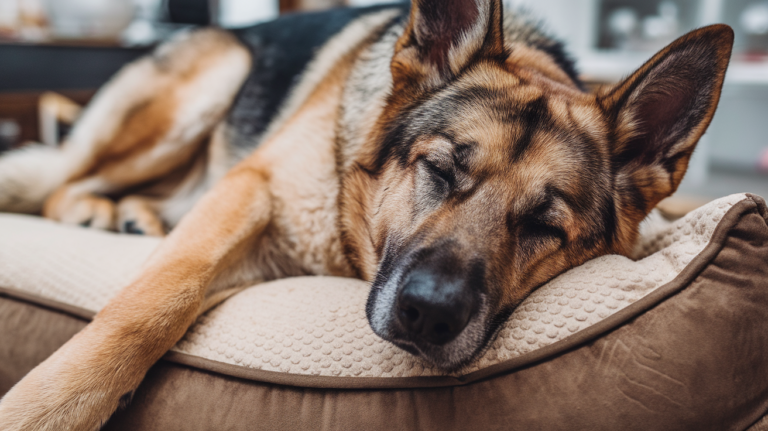
Designate specific furniture pieces for your dog. If they have their own bed or couch that’s “theirs,” you can clean and maintain it intensively without worrying about every piece of furniture in your home. Use waterproof, washable covers that can handle whatever your GSD dishes out.
Consider keeping certain rooms dog free zones. A master bedroom or formal living room that stays relatively dog free will naturally smell fresher and gives you a retreat when you need a break. Use baby gates if your German Shepherd hasn’t mastered the concept of off limits areas.
Hard flooring in high traffic dog areas makes a world of difference. If you’re renovating or have a choice, choose tile, luxury vinyl, or sealed hardwood over carpet in areas where your dog spends time. These surfaces don’t trap odors the way carpet does and are infinitely easier to keep clean.
The Mental Shift: Realistic Expectations
Here’s some truth: your home will never smell exactly like it would without a dog, and that’s okay. German Shepherds are living creatures, not decorative pillows. They play, they explore, they occasionally roll in things you’d rather not identify.
The goal isn’t a sterile, unlivable space that smells like a cleaning product commercial. The goal is a home that smells fresh and clean despite having a large, active dog living there. That’s absolutely achievable with consistent effort and the right strategies.
Accept that maintenance is ongoing. You can’t deep clean once and expect the problem to be solved forever. Building routines makes it manageable: a quick daily vacuum, weekly laundry, monthly deep cleaning sessions. Breaking it into small, regular tasks prevents overwhelming cleaning marathons.
Your German Shepherd brings joy, companionship, loyalty, and yes, a bit of extra work. But with these strategies in place, that work doesn’t have to dominate your life. You can absolutely have a home that both you and your dog love, one that smells fresh and welcoming without requiring superhuman effort. The key is consistency, smart strategies, and remembering why you brought that gorgeous furry face into your life in the first place.