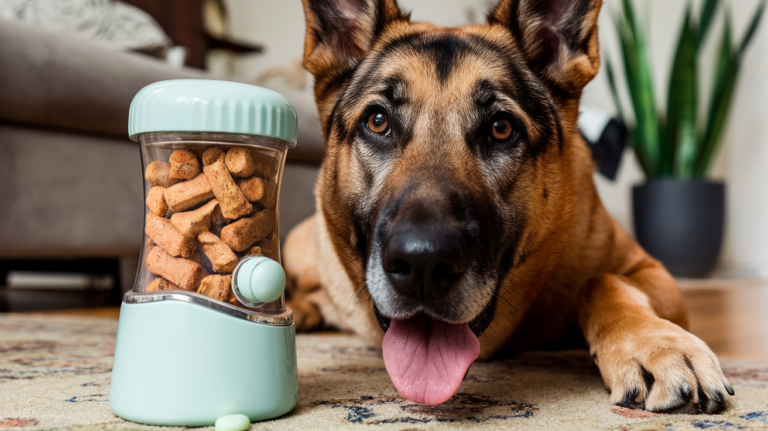
Choosing between raw and kibble can be confusing. Learn the pros, cons, and what truly supports your German Shepherd’s long term health.
Walk into any dog park and mention raw feeding, and watch what happens. Half the owners will light up with evangelical fervor about the transformative power of uncooked meat. The other half will clutch their bags of premium kibble and launch into defenses of modern pet nutrition science. Meanwhile, your German Shepherd just wants dinner.
The truth? Both sides have compelling points, and your magnificent GSD has specific needs that make this decision even more critical. These aren’t tiny lap dogs with forgiving metabolisms. German Shepherds are athletic powerhouses prone to particular health issues that nutrition directly impacts.
Your German Shepherd’s Nutritional Needs
German Shepherds aren’t delicate eaters. These dogs were bred for intense physical work, whether herding sheep across German hillsides or serving in police units. That heritage means they need substantial protein, healthy fats, and carefully balanced nutrients to thrive.
An adult German Shepherd typically requires between 1,700 and 2,400 calories daily, depending on activity level. But calories alone don’t tell the whole story. The quality and bioavailability of those calories determine whether your dog merely survives or genuinely thrives.
Breed-Specific Health Considerations
German Shepherds are unfortunately prone to several conditions that nutrition directly influences:
Hip and elbow dysplasia plague this breed, making joint-supporting nutrients like glucosamine, omega-3 fatty acids, and appropriate calcium ratios crucial during growth and throughout adulthood. Overfeeding puppies or providing incorrect calcium-to-phosphorus ratios can exacerbate developmental orthopedic issues.
Digestive sensitivity is another hallmark of the breed. Many GSDs have notoriously sensitive stomachs, leading to chronic diarrhea, gas, or other gastrointestinal drama. This sensitivity makes diet consistency and ingredient quality particularly important.
Degenerative myelopathy, a progressive spinal cord disease, affects German Shepherds more than most breeds. While diet can’t prevent this genetic condition, optimal nutrition supporting neurological health may help maintain quality of life longer.
The Case for Raw Feeding
Raw feeding enthusiasts will tell you that feeding uncooked meat, bones, and organs mimics what dogs would eat in nature. The philosophy centers on providing biologically appropriate nutrition that supposedly aligns with canine evolutionary history.
What Raw Diets Actually Include
A proper raw diet isn’t just tossing your GSD a steak. It typically consists of:
| Component | Percentage | Purpose |
|---|---|---|
| Muscle Meat | 70-80% | Primary protein and amino acids |
| Raw Meaty Bones | 10-15% | Calcium, phosphorus, dental health |
| Organ Meat | 5-10% | Vitamins, minerals, especially vitamin A |
| Vegetables/Fruits | 5-10% | Fiber, antioxidants, phytonutrients |
Raw feeding isn’t about tossing scraps into a bowl. It’s a calculated nutritional approach requiring research, planning, and commitment to balanced meals that meet every dietary requirement your German Shepherd needs.
Potential Benefits of Raw Diets
Proponents report numerous improvements when switching their German Shepherds to raw:
Shinier coats and healthier skin often appear within weeks. The high-quality proteins and natural fats in raw diets may contribute to improved coat condition, which is particularly noticeable in double-coated breeds like GSDs.
Better digestion is frequently reported. Many owners notice firmer, smaller stools and reduced gas. The theory suggests that dogs digest raw animal proteins more efficiently than heavily processed alternatives.
Increased energy and muscle tone make sense considering the high protein content and bioavailable nutrients. Athletic German Shepherds may perform better on raw diets optimized for their activity levels.
Dental health improvements come from chewing raw meaty bones, which mechanically clean teeth and massage gums. However, this benefit requires proper bone selection to avoid dental fractures.
The Drawbacks and Risks
Raw feeding isn’t all success stories and Instagram-worthy bowls of glistening meat. Real concerns exist:
Bacterial contamination poses genuine risks. Salmonella, E. coli, and other pathogens can sicken both dogs and their human families. While healthy dogs typically handle these bacteria better than humans, immunocompromised animals or people in the household face elevated risks.
Nutritional imbalances happen when owners wing it without proper formulation. Too much liver causes vitamin A toxicity. Incorrect calcium ratios damage growing bones. Missing essential nutrients leads to deficiencies over time.
Cost and convenience factors can’t be ignored. Quality raw feeding typically costs more than premium kibble and requires significant freezer space, meal prep time, and careful handling to prevent contamination.
Veterinary resistance is real. Many veterinarians hesitate to recommend raw diets due to food safety concerns and the prevalence of improperly balanced homemade formulations they’ve witnessed causing health problems.
The Case for Kibble
Kibble has fed dogs successfully for generations. Modern dog foods represent decades of nutritional research, feeding trials, and formulation refinement. Dismissing kibble entirely ignores legitimate advantages.
How Quality Kibble Works
Premium kibble undergoes extensive processing:
The extrusion process cooks ingredients at high temperatures, destroying pathogens while making nutrients more digestible. Quality manufacturers use AAFCO feeding trials to verify their formulations actually sustain dogs through all life stages, not just meet requirements on paper.
Advantages of Feeding Kibble
Complete and balanced nutrition comes guaranteed (at least from reputable brands). Every meal contains appropriate ratios of proteins, fats, carbohydrates, vitamins, and minerals. No guesswork, no calculations, no missing nutrients.
Safety and consistency matter. Kibble eliminates pathogen risks inherent in raw meat. Every bag delivers identical nutrition, making digestive upset from dietary changes less likely.
Convenience and cost make kibble practical. Pour, serve, done. No thawing, no meal prep, no sanitizing counters. Most quality kibbles cost less per day than raw feeding, especially for large breeds eating substantial quantities.
Dental formulations in some kibbles genuinely help. While not as effective as raw bones, certain kibble shapes and textures provide some mechanical cleaning through crunching action.
The Concerns About Kibble
Not all kibble deserves praise. Significant concerns exist, particularly with lower-quality brands:
Heavy processing destroys some nutrients, requiring synthetic supplementation. Heat-sensitive vitamins and certain beneficial compounds may be diminished or eliminated during manufacturing.
Questionable ingredients fill bargain brands. Meat by-products, excessive grains, artificial preservatives, and low-quality protein sources provide calories without optimal nutrition.
The quality gap between premium and budget kibble is enormous. What you pay directly correlates with ingredient quality, digestibility, and ultimately, your German Shepherd’s health outcomes over their lifetime.
Food allergies and sensitivities sometimes develop. Common kibble ingredients like chicken, beef, wheat, and corn trigger reactions in sensitive German Shepherds. However, raw diets don’t guarantee allergy prevention either.
Carbohydrate content tends to run higher in kibble than raw diets. While dogs can digest carbs, some argue the levels in many kibbles exceed what’s biologically optimal for carnivorous species.
Making the Right Choice for Your German Shepherd
So which diet wins? The frustrating answer: it depends.
Factors to Consider
Your German Shepherd’s individual needs should drive this decision:
| Factor | Raw May Be Better | Kibble May Be Better |
|---|---|---|
| Food allergies | Multiple protein options available | Hydrolyzed or novel protein formulas |
| Digestive sensitivity | Simpler ingredient lists | Easily digestible prescription diets |
| Budget constraints | Generally more expensive | Wide price range available |
| Time availability | Requires meal prep | Extremely convenient |
| Household safety | Risks with children/immunocompromised | No pathogen concerns |
Your dog’s health status matters immensely. A healthy adult German Shepherd might thrive on either diet, but puppies, seniors, or dogs with medical conditions may benefit from specific formulations only available in therapeutic kibbles.
Your lifestyle and commitment honestly assess whether you’ll consistently prepare balanced raw meals or if the convenience of kibble better fits your reality. A poorly executed raw diet harms more than quality kibble.
Hybrid Approaches and Alternatives
Many German Shepherd owners discover middle ground works beautifully:
Rotation feeding involves alternating between high-quality kibble and raw meals. This approach provides variety while maintaining the convenience and safety backup of kibble.
Freeze-dried or dehydrated raw products offer raw diet benefits with enhanced safety and convenience. These options cost more but eliminate most pathogen concerns while maintaining nutritional integrity better than kibble.
Fresh food delivery services like Ollie, The Farmer’s Dog, or Nom Nom provide gently cooked, balanced meals delivered to your door. These split the difference between raw’s whole-food philosophy and kibble’s convenience.
Toppers and supplements allow kibble feeders to boost their dog’s diet with fresh elements. Adding sardines, eggs, or vegetables to quality kibble enhances palatability and nutrition without full commitment to raw feeding.
What Actually Matters Most
Here’s what the science and experienced GSD owners generally agree upon:
Quality trumps format. Excellent kibble beats poorly formulated raw, and vice versa. Focus on high-quality animal proteins as primary ingredients, appropriate fat levels, beneficial supplements, and minimal fillers regardless of which path you choose.
Consistency matters more than perfection. Constantly switching foods causes digestive upset. Pick an approach, stick with it, and make changes gradually only when necessary.
Monitor your individual dog. Shiny coat? Healthy weight? Good energy? Solid poops? These markers matter more than dogmatic adherence to any feeding philosophy. Your German Shepherd’s thriving appearance and vitality tell you whether their diet works, regardless of what any expert claims should work.
The perfect diet for your German Shepherd is whichever approach you’ll execute consistently with high-quality ingredients while monitoring your dog’s health markers. Both raw and kibble can fuel happy, healthy German Shepherds when done properly. The choice ultimately comes down to your individual circumstances, your dog’s specific needs, and which approach you’ll maintain long-term with genuine commitment.