Test your Schnauzer knowledge and see if you’re a true breed expert. This fun quiz might just reveal how well you know your dog.
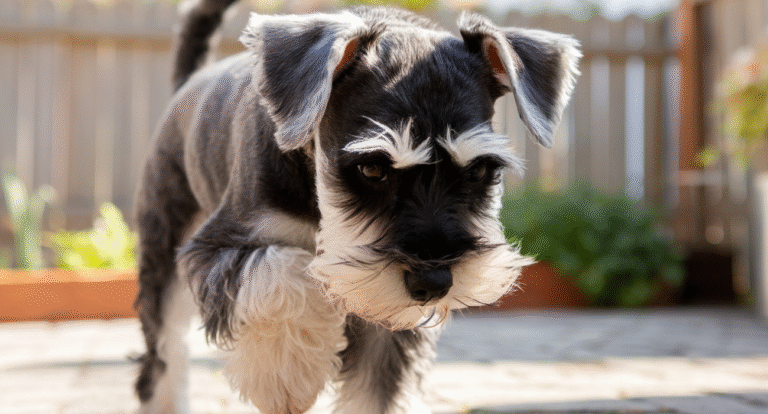
Schnauzers strut around like they own the place, and honestly? They kind of do. These bearded beauties have captured hearts worldwide with their intelligence, loyalty, and that unmistakable look. But being charmed by a Schnauzer and truly understanding one are two very different things.
Time to find out where you stand! This quiz covers everything from breed origins to behavioral quirks that every Schnauzer owner knows (and loves, mostly). Grab a treat for your furry friend and let’s dive into the wonderful world of Schnauzers.
The Quiz Begins!
Question 1: Where did Schnauzers originally come from?
A) Austria
B) Germany
C) Switzerland
D) The Netherlands
Correct Answer: B) Germany
Schnauzers hail from Germany, where they were bred as versatile farm dogs starting in the 14th and 15th centuries. The name “Schnauzer” actually comes from the German word for “snout” or “muzzle,” which makes perfect sense when you look at their distinctive bearded faces. These dogs were rockstars at ratting, guarding, and herding, making them invaluable to German farmers.
Schnauzers weren’t just cute faces on the farm. They were hardworking multitaskers that could hunt vermin in the morning, guard the homestead in the afternoon, and still have energy to herd livestock by evening.
Question 2: How many official Schnauzer sizes are recognized?
A) Two
B) Three
C) Four
D) Five
Correct Answer: B) Three
There are three distinct sizes of Schnauzers, and they’re actually considered separate breeds! Each size was developed for different purposes, though they all share that classic Schnauzer look and temperament.
| Schnauzer Size | Weight Range | Original Purpose |
|---|---|---|
| Miniature | 11-20 pounds | Ratting, companion |
| Standard | 30-50 pounds | Farm work, guarding |
| Giant | 55-85 pounds | Cattle driving, guarding |
The Standard Schnauzer came first, with the Miniature bred down from Standards mixed with smaller breeds like Affenpinschers and Poodles. Giants were created by crossing Standards with larger breeds to handle bigger livestock.
Question 3: What was the Schnauzer’s primary job historically?
A) Herding sheep
B) Hunting waterfowl
C) Ratting and guarding
D) Pulling carts
Correct Answer: C) Ratting and guarding
Schnauzers were the ultimate vermin control specialists and watchdogs. German farmers valued them for their incredible ability to keep barns and homes free of rats, mice, and other pests. Their guarding instincts made them excellent protectors of property and livestock without being overly aggressive.
This working heritage explains why modern Schnauzers are so alert and vocal. They’re literally bred to notice everything and let you know about it! That delivery person three blocks away? Your Schnauzer already knows.
Question 4: Schnauzers are known for being hypoallergenic. True or False?
A) True
B) False
Correct Answer: A) True (mostly)
True! Schnauzers are considered one of the better breeds for people with allergies, though no dog is 100% hypoallergenic. They have a double coat that sheds minimally when properly maintained. The wiry outer coat and soft undercoat trap dander rather than releasing it into your home.
However, this doesn’t mean zero maintenance. Schnauzers require regular grooming, including hand stripping or clipping every six to eight weeks. Without proper grooming, their coat can become matted and uncomfortable. Think of it as the price you pay for not having fur tumbleweeds rolling across your floors!
Question 5: Which color combination is NOT standard for Schnauzers?
A) Salt and pepper
B) Black
C) Chocolate brown
D) Black and silver
Correct Answer: C) Chocolate brown
While Schnauzers come in several recognized colors, chocolate brown is not one of them. The standard colors are salt and pepper (the most common), solid black, and black and silver. Some breeders produce white Schnauzers, but this color isn’t recognized by major kennel clubs as meeting breed standards.
Salt and pepper Schnauzers have that distinguished, grizzled look with banded hairs creating a grayish appearance. Black and silver Schnauzers look like they’re wearing formal attire with their dark bodies and silver eyebrows, beard, and legs.
Question 6: What’s the average lifespan of a Schnauzer?
A) 8 to 10 years
B) 10 to 12 years
C) 12 to 15 years
D) 15 to 18 years
Correct Answer: C) 12 to 15 years
Schnauzers are generally healthy dogs with a lifespan of 12 to 15 years, with Miniature Schnauzers often living on the longer end of that spectrum. Some have been known to reach 16 or 17 years with excellent care!
Their longevity is partly due to their robust working dog genetics, but like all breeds, they have some health concerns to watch for. Regular vet checkups, proper nutrition, and adequate exercise can help your Schnauzer live their best, longest life.
The key to a long Schnauzer life isn’t just about vet visits and good food. Mental stimulation matters just as much. These intelligent dogs need their brains exercised as much as their bodies, or they’ll find creative (read: destructive) ways to entertain themselves.
Question 7: Schnauzers are known for which personality trait?
A) Lazy and docile
B) Stubborn and aloof
C) Spirited and alert
D) Shy and nervous
Correct Answer: C) Spirited and alert
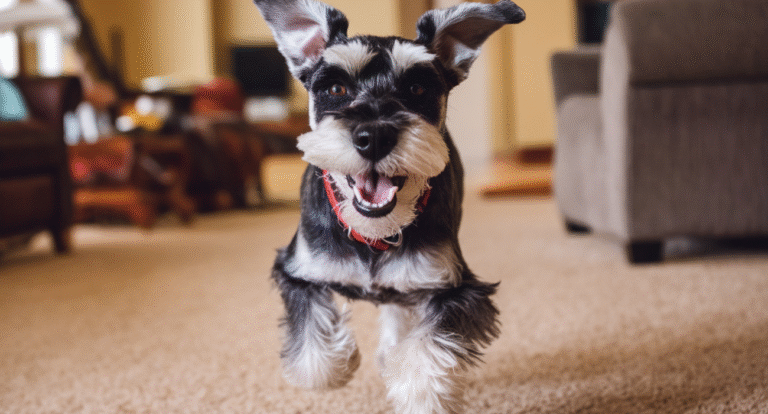
Spirited and alert perfectly captures the Schnauzer essence! These dogs have tremendous personality packed into their frames. They’re confident, intelligent, and incredibly aware of their surroundings. Some might say they have a bit of an attitude, but that’s just part of their charm.
Schnauzers bond strongly with their families and can be protective without being aggressive. They’re playful well into their senior years and maintain that puppy like enthusiasm for life. However, their intelligence means they can be strong willed, so consistent training from an early age is essential.
Question 8: What does a Schnauzer’s beard actually do?
A) Keeps their face warm
B) Protected their face while ratting
C) Stores food for later
D) It’s purely decorative
Correct Answer: B) Protected their face while ratting
That glorious beard wasn’t just a fashion statement! The Schnauzer’s facial hair, including their bushy eyebrows and beard, served as protection while they hunted vermin. When diving into rat holes or fighting off pests, this wiry facial hair acted like a shield against bites and scratches.
The bushy eyebrows also helped protect their eyes from dirt and debris. Pretty clever, right? Today, that beard might mostly catch food crumbs and water (Schnauzer owners know the struggle of beard cleanup after every meal), but it’s a testament to their working dog heritage.
Question 9: How often should a Schnauzer’s coat be professionally groomed?
A) Once a year
B) Every 6 to 8 weeks
C) Every 3 to 4 months
D) Never, they’re low maintenance
Correct Answer: B) Every 6 to 8 weeks
Every 6 to 8 weeks is the goldilocks zone for Schnauzer grooming. Their wiry double coat doesn’t shed much, but it continues growing and needs regular trimming to maintain that classic Schnauzer silhouette. Without regular grooming, they’ll start looking more like shaggy floor mops than distinguished gentlemen.
Between professional grooming sessions, you’ll need to brush them several times a week to prevent matting. Many Schnauzer owners learn to do basic maintenance trimming at home, saving the full grooming sessions for the professionals. Your wallet might cry a little, but your Schnauzer will look fabulous!
Question 10: Which famous artist featured a Schnauzer in their work?
A) Pablo Picasso
B) Albrecht Dürer
C) Vincent van Gogh
D) Andy Warhol
Correct Answer: B) Albrecht Dürer
Albrecht Dürer, the famous German Renaissance artist, created a piece in 1492 that’s believed to feature a Schnauzer. This makes Schnauzers one of the oldest recognizable dog breeds in European art! The dog in Dürer’s work has the characteristic wiry coat and bearded face that we associate with Schnauzers today.
This artistic appearance proves that Schnauzers have been turning heads (and inspiring masterpieces) for over 500 years. They’ve gone from hardworking farm dogs to beloved family companions without losing any of their distinctive character.
From Renaissance paintings to modern Instagram accounts, Schnauzers have always known how to work a camera. That photogenic beard and those expressive eyebrows were made for capturing hearts across the centuries.
Question 11: What makes Schnauzers good apartment dogs despite their energy?
A) They’re actually very lazy
B) They rarely bark
C) They adapt well to routines and mental stimulation
D) They don’t need daily exercise
Correct Answer: C) They adapt well to routines and mental stimulation
Schnauzers can thrive in apartments because they’re highly adaptable when their mental and physical needs are met. While they have energy to burn, they’re also content to settle down indoors when properly exercised. Their intelligence means you can tire them out with training sessions, puzzle toys, and interactive games just as effectively as long runs.
That said, they do need regular exercise and outdoor time. A couple of brisk walks daily, some playtime, and mental challenges will keep an apartment Schnauzer happy and well behaved. Skip these needs, and you’ll discover just how creative a bored Schnauzer can be with your furniture!
Question 12: What’s the most common health issue in Miniature Schnauzers?
A) Hip dysplasia
B) Pancreatitis
C) Deafness
D) Respiratory problems
Correct Answer: B) Pancreatitis
Pancreatitis is unfortunately more common in Miniature Schnauzers than many other breeds. This painful inflammation of the pancreas can be triggered by high fat diets, so Miniature Schnauzer owners need to be careful about treats and table scraps. Even that puppy dog face begging for bacon should be resisted!
Other health concerns across all Schnauzer sizes include bladder stones, eye problems, and certain genetic conditions. Working with reputable breeders who health test their dogs and maintaining regular veterinary care can help catch issues early.
How Did You Score?
- 10 to 12 correct: Schnauzer savant! You know these bearded beauties inside and out.
- 7 to 9 correct: Solid Schnauzer knowledge! You’re well on your way to expert status.
- 4 to 6 correct: Decent basics, but there’s more to learn about these fascinating dogs.
- 0 to 3 correct: Time to brush up on your Schnauzer studies! Plenty of room to grow.
No matter your score, the most important thing is the love between you and your Schnauzer. These remarkable dogs have been winning hearts for centuries with their intelligence, loyalty, and undeniable charisma. Whether you aced this quiz or learned something new, your Schnauzer thinks you’re the smartest human around anyway!