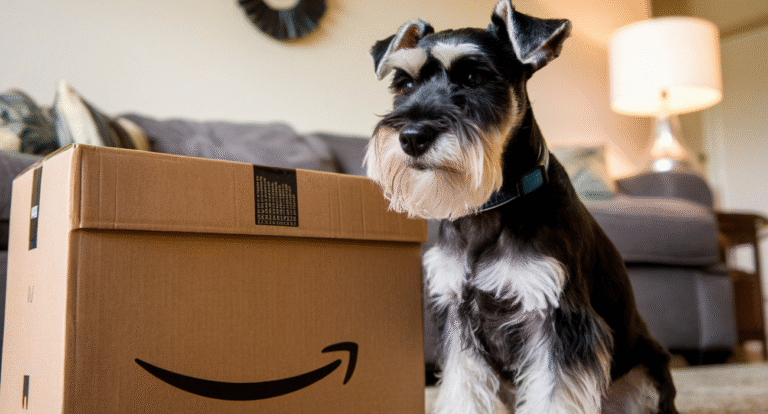
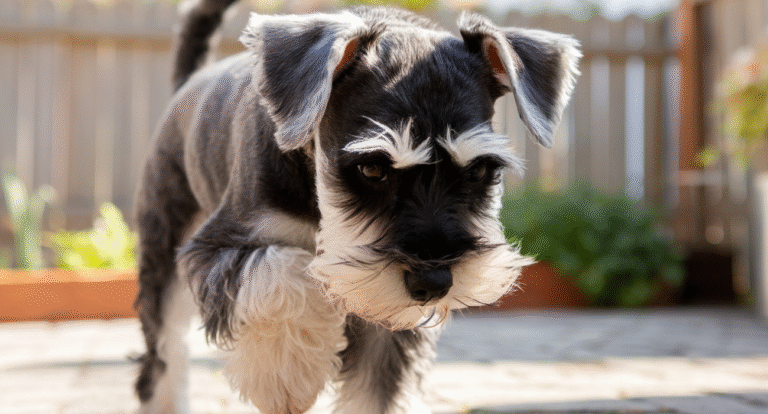
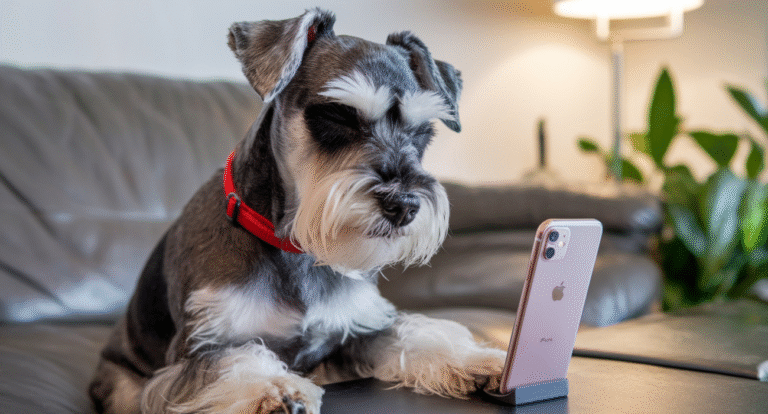
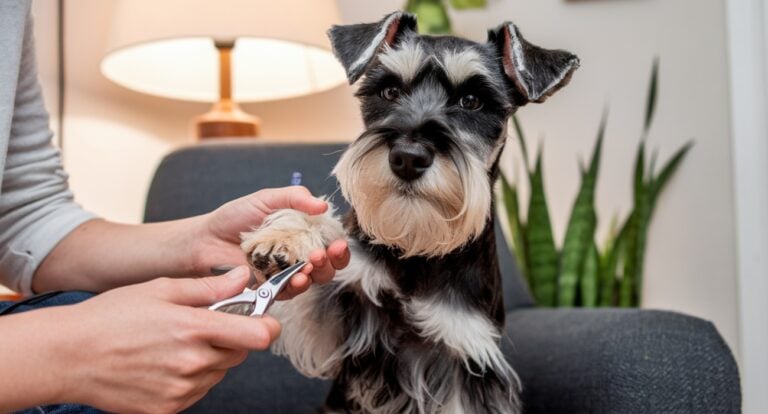
Good manners matter. These simple behaviors will transform your Schnauzer into a polite, lovable companion.
Your Schnauzer puppy is adorable right now, even when they’re jumping on guests or barking at shadows. But fast forward six months, and that same behavior becomes significantly less cute. The reality is that Schnauzers grow into their personalities fast, and without proper manners training, you’ll end up with a small dog who genuinely believes they’re in charge of your entire life.
Here’s the exciting part: Schnauzers are ridiculously smart. They can master complex tricks, excel in agility courses, and learn new commands faster than many other breeds. This intelligence is your secret weapon when teaching manners. You’re not fighting against their nature, you’re working with their eager, quick learning brains.
1. The Art of Not Jumping on Every Human Who Exists
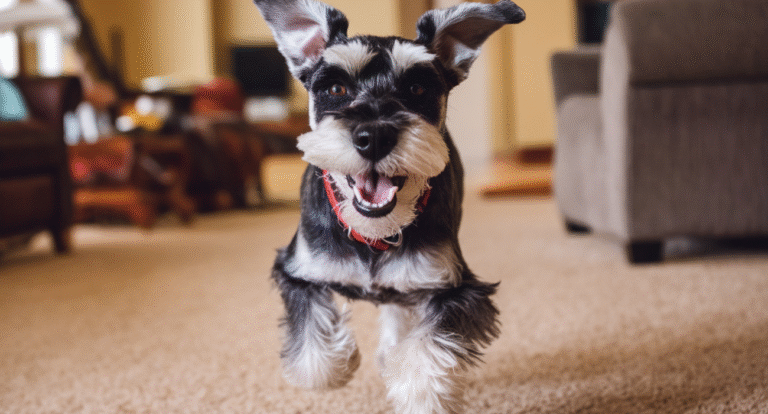
Schnauzers are enthusiastic greeters. They see a person, and their little bodies practically vibrate with the urgent need to say hello right now at face level. This behavior seems harmless when they’re puppies, but a full grown Schnauzer launching themselves at your grandmother is a recipe for disaster.
The jumping habit stems from pure excitement and a desire to get closer to human faces. In dog language, this is actually polite greeting behavior. But in human language, it’s muddy paws on clean clothes and potential injuries for smaller humans or elderly visitors.
Training the “four on the floor” rule is surprisingly straightforward. When your Schnauzer jumps, immediately turn away and ignore them completely. No eye contact, no words, no pushing them down (which they interpret as play). The second all four paws touch the ground, shower them with attention and treats. Consistency is everything here. Every single person who interacts with your dog needs to follow this rule, or you’ll confuse your Schnauzer into thinking jumping works sometimes, which makes them try even harder.
The key to stopping jumping isn’t teaching your dog that jumping is bad. It’s teaching them that keeping four paws on the floor gets them exactly what they want: attention, praise, and connection with their favorite humans.
Practice this during calm moments too, not just when greeting. Have family members walk in and out of rooms repeatedly, rewarding your Schnauzer for staying grounded. Within a week or two, most Schnauzers figure out that floor time equals good time.
2. Mastering the Wait Command (AKA Impulse Control for Impulsive Dogs)
Schnauzers have approximately zero chill when they want something. Food bowl going down? They’re shoving their face in before it hits the ground. Door opening? They’re bolting through like their tail is on fire. This lack of impulse control isn’t just annoying; it’s genuinely dangerous.
The “wait” command is different from “stay.” Stay means don’t move until released. Wait means pause before proceeding, which is perfect for doorways, meal times, and preventing your dog from darting into traffic. Schnauzers excel at learning this because it gives them a clear job: control yourself for five seconds and good things happen.
Start with meals since food motivation runs deep in the Schnauzer soul. Hold their bowl up and say “wait” in a calm, firm voice. The instant they stop lunging and sit back (even for a microsecond), lower the bowl slightly. If they lunge again, bowl goes back up. Repeat until the bowl reaches the floor while they’re sitting calmly. Then release them with an “okay!” This exercise teaches patience and the understanding that self control brings rewards.
Apply this same principle to doorways. Before opening any door, make your Schnauzer sit and wait. Open the door slightly. If they move, close it immediately. Open again only when they’re sitting calmly. Eventually, they learn that doors open faster when they exercise restraint. Most Schnauzers master basic wait commands within a few days because the reward (getting what they already wanted) is built right into the training.
3. The Gentle Take: No More Aggressive Treat Snatching
Schnauzers approach treats like tiny velociraptors attacking prey. Those powerful jaws snap shut with shocking speed, and fingers sometimes become collateral damage. Teaching a gentle take protects your hands and creates a calmer, more controlled dog overall.
Hold a treat in your closed fist. Your Schnauzer will probably try everything: licking, pawing, barking, nibbling. Ignore all of it. The moment they pull back and wait (even for a second), open your hand slightly and offer the treat with a calm “gentle” or “easy.” If they snatch aggressively, close your fist again immediately. Repeat until they take the treat softly.
This training requires patience because Schnauzers are persistent. They’ve been rewarded their whole lives for enthusiastic behavior, so switching to calm behavior feels counterintuitive. But once they understand that gentle equals treat and aggressive equals no treat, they adapt quickly. Within a week, most Schnauzers develop a surprisingly soft mouth when taking food from hands.
| Training Method | Time Investment | Success Rate | Best For |
|---|---|---|---|
| Closed fist method | 5 minutes daily for 1 week | 95% | Food motivated Schnauzers |
| Flat palm offering | 10 minutes daily for 2 weeks | 85% | Nervous or hesitant dogs |
| Treat on delay | 3 minutes before each meal | 90% | Impatient Schnauzers |
Practice this during regular training sessions and also randomly throughout the day. Hand feed some meals to reinforce gentle taking. The goal is making soft mouths the default setting, not just something they do when you specifically command it.
4. Polite Leash Walking (Without the Olympic Pulling Event)
A Schnauzer on a mission pulls like a sled dog. These compact dogs have surprising strength, and they’re convinced that every walk should happen at maximum speed toward whatever has captured their attention. Teaching loose leash walking transforms exhausting walks into actually enjoyable outings.
The key insight is that Schnauzers pull because it works. Pulling gets them where they want to go. Your job is making pulling stop working entirely. The “be a tree” method works brilliantly for these determined dogs. The second the leash goes tight, stop moving completely. Don’t yank back, don’t say anything, just become an immovable object. When your Schnauzer looks back at you or the leash loosens even slightly, immediately start walking again and praise them.
Yes, your first few walks will involve stopping every three feet. Yes, it feels tedious. But Schnauzers are smart enough to spot patterns quickly. Most figure out within three to five walks that loose leash equals forward movement and tight leash equals boring standing around.
Walking politely on a leash isn’t about suppressing your Schnauzer’s curiosity and energy. It’s about teaching them that they can explore the world more effectively when they’re working with you instead of dragging you behind them like luggage.
Mix in some direction changes too. When your Schnauzer starts pulling, turn and walk the opposite direction. This keeps them focused on you instead of fixating on distractions. Reward frequently when they’re walking nicely beside you, even if it’s just for a few steps. High value treats work wonders during leash training because you’re competing with squirrels, other dogs, and fascinating smells.
5. The Quiet Command (For Dogs Who Have Opinions About Everything)
Schnauzers bark. It’s their heritage, their hobby, and their primary method of home security. They bark at the mailman, the neighbor’s cat, leaves blowing past the window, and sometimes at absolutely nothing visible to human eyes. While you can’t eliminate barking entirely (nor should you, since it’s natural communication), you can teach a “quiet” command that actually works.
First, understand why they’re barking. Schnauzers typically bark for three reasons: alerting you to perceived threats, demanding attention, or expressing excitement/frustration. The training approach differs slightly for each, but the foundation stays the same.
When your Schnauzer starts barking, let them bark two or three times. They need to alert you (it’s their job, after all). Then calmly say “quiet” and immediately offer a high value treat. Here’s the crucial part: give the treat the instant they stop barking to take it, even if the silence only lasts one second. You’re capturing and rewarding the moment of quiet, not waiting for them to figure it out on their own.
Gradually extend the quiet period before giving the treat. First it’s one second, then three seconds, then five, then ten. Most Schnauzers learn this pattern within a few days because the reward is immediate and consistent. Some trainers also teach an “enough” command as an alternative, which signals that you’ve acknowledged their alert and they can stand down.
Never yell “quiet!” or punish barking. Schnauzers often interpret yelling as you joining in the barking party, which increases the behavior. Calm, consistent rewards for silence work exponentially better than frustrated corrections.
6. Leave It: The Command That Might Save Your Dog’s Life
“Leave it” might be the most important command any dog can learn, and Schnauzers need it desperately. These curious, prey driven dogs investigate everything with their mouths. Dropped chocolate? They’re on it. Dead bird at the park? Fascinating. Random garbage on the sidewalk? Must be examined immediately.
Start training with two treats of different values. Hold a low value treat in your closed fist and let your Schnauzer sniff it. They’ll probably lick, paw, and generally obsess over your fist. Ignore everything until they pull back, even briefly. The instant they do, say “leave it!” and give them the higher value treat from your other hand.
The magic is in the reward coming from a different source than the forbidden item. Your Schnauzer learns that leaving something alone doesn’t mean they get nothing; it means they get something better. This is especially powerful for Schnauzers because they’re smart enough to calculate whether obedience pays better than snatching the forbidden item.
| Training Stage | Setup | Expected Timeline | Common Challenges |
|---|---|---|---|
| Closed fist foundation | Low value treat in fist, high value as reward | 2 to 3 days | Dog gets frustrated and barks |
| Treat on floor | Place treat on floor, cover with foot if dog moves toward it | 4 to 7 days | Dog tries to sneak around your foot |
| Real world practice | Drop treats during walks, practice near food bowls | Ongoing maintenance | Distractions overwhelm training |
Progress to placing the low value treat on the floor and covering it with your foot when they move toward it. When they back off, reward from your hand. Eventually, you can practice with increasingly tempting items: toys, real food, things they find on walks. Always reward leaving it with something equally or more valuable.
Practice this command constantly in real situations. Drop treats during training walks. Place toys near them during play sessions. The more they practice in varied contexts, the more reliable the command becomes when it really matters.
7. Settle: Teaching Your High Energy Schnauzer to Chill
Schnauzers operate at two speeds: full throttle and asleep. There’s rarely an in between. Teaching a “settle” or “place” command gives them a third option: calm but awake. This transforms evening relaxation, vet visits, outdoor dining, and any situation where you need your dog to be present but not bouncing off walls.
Designate a specific spot as their settle location. This could be a mat, a dog bed, or a particular corner. The physical boundary helps Schnauzers understand exactly what you’re asking. Lead them to the spot, say “settle” or “place,” and reward them for lying down there. At first, reward every few seconds of calm behavior.
Gradually extend the time between rewards. Start with five seconds, then fifteen, then thirty, building up to several minutes. If your Schnauzer gets up before being released, calmly lead them back to the spot without anger or frustration. Consistency matters more than perfection.
A settled Schnauzer isn’t a suppressed Schnauzer. You’re teaching them that sometimes the job is simply to exist calmly in a space, which is a valuable life skill that reduces their stress and yours.
Make the settle spot appealing. Keep special chew toys there. Occasionally drop treats on it randomly throughout the day. Your goal is making that spot feel like the best place in the house. Many Schnauzer owners find that their dogs eventually choose to go to their settle spot voluntarily when they need downtime, which is the ultimate training success.
Practice settle during distracting situations too. Have family members walk by, bounce a ball nearby, or turn on the TV. Start with mild distractions and gradually increase difficulty. Schnauzers who master settle in various contexts become incredibly adaptable dogs who can handle almost any environment calmly.