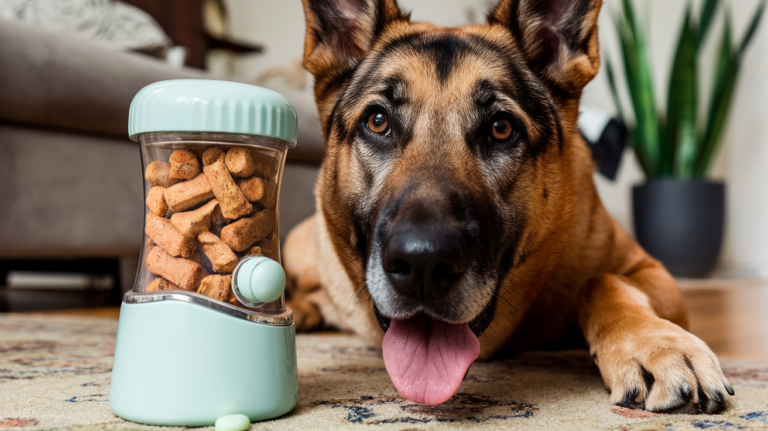
From barking to pulling, these common behaviors have fast, practical fixes that make life calmer for you and happier for your German Shepherd.
Owning a German Shepherd is like having a brilliant, furry toddler who weighs 80 pounds and has opinions about everything. These dogs are smart (almost too smart for their own good), energetic, and incredibly devoted to their families. But that intelligence and energy can quickly turn into problematic behaviors if not properly channeled.
Maybe your GSD won’t stop jumping on guests, or perhaps they’ve decided that the mailman is public enemy number one. Sound familiar? These behavioral hiccups are incredibly common among German Shepherds, and they’re usually rooted in the breed’s working dog heritage. Understanding this background is your first step toward a harmonious relationship with your four-legged Einstein.
1. Excessive Barking and Vocalization
German Shepherds have a lot to say, and they’re not shy about sharing their thoughts with the entire neighborhood. Whether it’s alerting you to a suspicious leaf blowing across the yard or announcing every single person who dares walk past your house, excessive barking ranks among the top complaints from GSD owners.
This behavior stems from their guardian instincts. GSDs were bred to protect flocks and property, which means being vocal is literally in their DNA. The problem arises when they can’t distinguish between actual threats and everyday occurrences.
When your German Shepherd barks at everything that moves, they’re not being difficult. They’re trying to do the job their ancestors were bred for: alerting you to potential dangers and protecting their territory.
The Quick Fix: Start with the “quiet” command. When your GSD barks, acknowledge what they’re alerting you to (yes, actually say “thank you” or “I see it”), then give the quiet command. Reward immediately when they stop barking, even if just for a second. Consistency is absolutely crucial here. You’re not trying to eliminate their protective nature; you’re teaching them when it’s appropriate to sound the alarm.
Additionally, ensure your GSD is getting enough mental stimulation. A bored German Shepherd is a noisy German Shepherd. Puzzle toys, training sessions, and regular exercise can significantly reduce attention-seeking barking.
2. Separation Anxiety and Destructive Behavior
Come home to shredded cushions, scratched doors, and a guilt-ridden looking dog? Welcome to the world of GSD separation anxiety. These dogs form incredibly strong bonds with their humans, which is wonderful until you need to leave for work or run errands.
German Shepherds are velcro dogs by nature. They want to be wherever you are, doing whatever you’re doing. When left alone, some GSDs experience genuine distress, leading to destructive behaviors that aren’t malicious but rather symptoms of anxiety.
The Quick Fix: Start with gradual desensitization. Leave for just five minutes, then return. Slowly increase the duration over weeks. Create a positive association with your departure by giving your GSD a special treat or toy they only get when you leave (stuffed Kongs work brilliantly here).
Establish a consistent routine so your dog knows what to expect. Don’t make your departures or arrivals dramatic; keep them low-key and matter-of-fact. Consider crate training if you haven’t already, as many dogs find crates comforting rather than restrictive. And here’s a game changer: tire them out before you leave. A physically and mentally exhausted German Shepherd is far less likely to panic when you’re gone.
3. Leash Pulling and Poor Walking Manners
Walking a German Shepherd shouldn’t feel like competing in a strongman competition, yet many owners find themselves being dragged down the street by their enthusiastic pup. GSDs are powerful, driven dogs with places to go and things to smell, and they want to get there now.
This behavior often develops because, frankly, pulling works. When your dog pulls, they get where they want to go faster. You’ve accidentally reinforced the behavior every time you’ve allowed forward movement while the leash is taut.
| Training Tool | Best For | Key Benefit |
|---|---|---|
| Front-clip harness | Moderate pullers | Redirects dog’s momentum sideways |
| Head halter (Gentle Leader) | Strong pullers | Gives you control of the head direction |
| Standard collar with training | Light pullers | Allows clearest communication |
| Long line (15-30 ft) | Training recall | Provides freedom with safety |
The Quick Fix: Stop rewarding the pull. Literally. When your GSD pulls, stop walking immediately. Don’t move forward until there’s slack in the leash. Yes, your first few walks will involve a lot of stopping and starting. Yes, it will be frustrating. But consistency pays off quickly with intelligent breeds like German Shepherds.
Practice the “penalty yard” technique: when your dog pulls, turn and walk in the opposite direction. They’ll quickly learn that pulling doesn’t get them where they want to go. Reward loose-leash walking with treats, praise, and forward movement. Consider investing in a front-clip harness, which gives you better control and makes pulling less rewarding for your dog.
4. Aggression Toward Other Dogs
Your sweet, gentle German Shepherd transforms into a snarling beast whenever they spot another dog on walks. This reactive behavior can be embarrassing, stressful, and genuinely dangerous if not addressed properly.
Dog aggression in GSDs often stems from fear, inadequate socialization, or overprotectiveness rather than true aggression. Many German Shepherds are selectively social; they’re not golden retrievers who want to befriend every dog they meet, and that’s perfectly normal for the breed.
Reactivity isn’t necessarily aggression. Your German Shepherd might be fearful, overstimulated, or frustrated by being restrained when they want to investigate another dog. Understanding the root cause is essential to fixing the behavior.
The Quick Fix: Distance is your friend. Start counter-conditioning by keeping your GSD far enough from other dogs that they notice them but don’t react. At this distance, offer high-value treats continuously. You’re teaching your dog that other dogs predict good things happening.
Gradually decrease the distance over multiple training sessions. Never push your dog past their threshold; if they react, you’re too close. Consider working with a professional trainer who uses positive reinforcement methods, especially if the reactivity is severe. Management is also key: walk during off-peak hours and choose routes where you can maintain distance from other dogs while you’re working on the issue.
5. Jumping on People
Few things are less charming than 80 pounds of enthusiastic German Shepherd launching themselves at your grandmother. Jumping is a greeting behavior that’s natural for dogs but unacceptable (and potentially dangerous) for large breeds.
Your GSD jumps because it’s been inadvertently reinforced. Even negative attention (pushing them down, yelling) is still attention, which is exactly what they wanted. Plus, when they were puppies, everyone thought it was adorable, so they learned that jumping equals interaction and affection.
The Quick Fix: Remove the reward completely. When your GSD jumps, turn your back and ignore them entirely. No eye contact, no touching, no talking. The moment all four paws are on the ground, immediately reward with attention and treats. Teach an incompatible behavior like “sit” for greetings.
Consistency across all family members and visitors is absolutely non-negotiable. If your mom still pets your dog when they jump, you’re undoing all your hard work. Ask guests to follow the same protocol: ignore the jumping, reward the calm behavior. It helps to practice with your dog on a leash initially, so you can prevent the jumping while teaching the alternative behavior.
6. Resource Guarding
Your normally sweet GSD suddenly growls when you approach their food bowl or favorite toy. Resource guarding is a serious behavior issue that can escalate if not addressed properly, but it’s also a natural instinct that can be modified with the right approach.
German Shepherds can be possessive of things they value, whether that’s food, toys, sleeping spots, or even people. This behavior often develops when dogs learn that humans approaching means something valuable will be taken away.
The Quick Fix: Never punish a growl. That growl is your dog’s way of communicating discomfort, and if you punish it, you’ll simply teach them to skip the warning and go straight to biting. Instead, teach your GSD that your approach predicts even better things.
Start with items your dog values less. Walk past their food bowl and drop something amazing in it (like chicken or cheese), then walk away. Repeat this until your dog looks happy when you approach. Gradually work up to higher-value items. Trade up: offer something better in exchange for what they have, so they learn that giving things to you isn’t a loss but an upgrade.
For serious resource guarding, especially around food or if your dog has already bitten, consult a certified professional dog trainer or veterinary behaviorist. This isn’t a DIY situation.
7. Mouthing and Nipping
German Shepherd puppies are adorable land sharks with surprisingly sharp teeth, and some adult GSDs never quite outgrow the mouthing habit. While this behavior is normal puppy play, it becomes problematic when those puppy teeth are replaced with powerful adult jaws.
GSDs use their mouths to explore the world, play, and communicate. Herding breeds particularly tend to nip at heels and hands because, well, that’s how you move sheep around. Your GSD isn’t trying to hurt you; they’re engaging in what feels like natural behavior to them.
The Quick Fix: Redirect, redirect, redirect. The moment teeth touch skin, say “ouch!” in a high-pitched voice and immediately stop all interaction. Turn away and ignore your dog for 10-15 seconds. This mimics how puppies learn bite inhibition from their littermates.
Always have appropriate chew toys available and reward your dog enthusiastically when they choose the toy over your hand. Teach a solid “drop it” or “leave it” command. If your GSD gets mouthy during play, end the play session immediately. They’ll quickly learn that teeth on humans means the fun stops.
Ensure your German Shepherd is getting enough physical exercise and mental stimulation. Tired dogs are less likely to engage in inappropriate play behaviors. Consider enrolling in obedience classes or dog sports like agility, which provide structured outlets for their energy and natural drives.
Remember: German Shepherds are incredibly trainable and eager to please once they understand what you want from them. These behavior issues might seem overwhelming, but with patience, consistency, and the right approach, you can absolutely transform your GSD into the well-mannered companion you know they can be.
The key is understanding that these behaviors aren’t character flaws but rather natural instincts that need proper direction. Your German Shepherd wants to be good; sometimes they just need a little help figuring out what “good” actually means in your household.