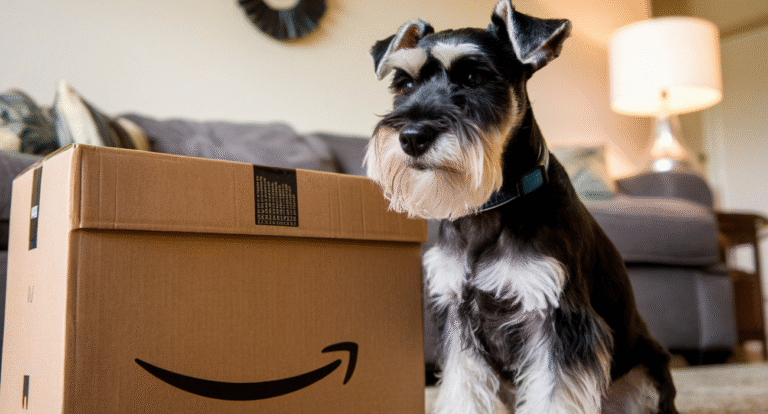
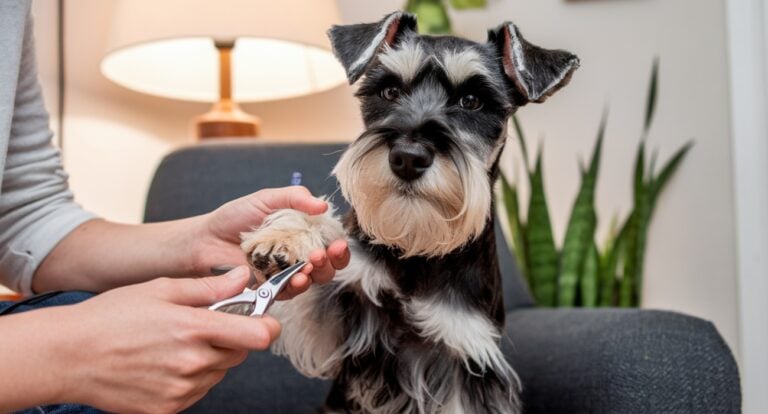
Hidden toxins lurk at home. Make sure your environment is safe for a Schnauzer by removing these dangers.
Your Schnauzer thinks your living room is their kingdom, and honestly, they’re not wrong. But here’s the plot twist: that kingdom might be harboring some seriously sneaky dangers. We’re not talking about the obvious stuff like chocolate on the counter (you already know about that one, right?).
The real villains are hiding in plain sight. They’re lurking in your cleaning closet, chilling in your flower vase, and possibly even hanging out in your spice rack. Your bearded buddy has no idea that some of their favorite sniffing spots could actually make them sick. Time to put on your detective hat and do some serious pet proofing.
1. Xylitol: The Sweet Poison in Unexpected Places
Let’s start with public enemy number one for Schnauzers: xylitol. This artificial sweetener is everywhere, and it’s terrifyingly toxic to dogs. We’re talking about a substance that can cause liver failure and life threatening drops in blood sugar within minutes of ingestion.
Sure, you might know xylitol hides in sugar free gum. But did you know it’s also lurking in peanut butter, toothpaste, certain medications, and even some brands of almond butter? Your Schnauzer’s favorite “pupsicle” treat could literally contain the same ingredient that’s in your breath mints.
The stakes are impossibly high with xylitol. A single piece of sugar free gum can be enough to seriously harm a medium sized Schnauzer. The margin for error is basically nonexistent.
Check every single label of products in your home. Look at your vitamins, your baked goods, your protein powders, and your skincare items. Xylitol doesn’t always advertise itself clearly, sometimes appearing under names like “birch sugar” or “birch bark extract.” When in doubt, assume it’s there and keep it locked away.
The scary part? Xylitol toxicity acts fast. Within 30 minutes of eating something containing this sweetener, your Schnauzer could start showing symptoms like vomiting, weakness, seizures, or collapse. This is a “drop everything and call the vet immediately” situation.
2. Essential Oils: Not So Therapeutic for Your Pup
Essential oils have taken over our homes in the past decade. They’re in our diffusers, our cleaning products, our personal care items, and even our laundry detergent. But here’s what the wellness influencers aren’t telling you: many essential oils are toxic to Schnauzers.
Dogs experience smell at an intensity we literally cannot comprehend. Their noses are up to 100,000 times more sensitive than ours. So when you’re enjoying that “subtle” lavender scent from your diffuser, your Schnauzer is basically being assaulted by an overwhelming chemical cloud.
The worst offenders include tea tree oil, eucalyptus, peppermint, citrus oils, ylang ylang, and pennyroyal. These can cause symptoms ranging from drooling and vomiting to difficulty breathing, tremors, and liver damage. The concentration matters too; undiluted oils are far more dangerous than properly diluted ones.
| Essential Oil | Toxicity Level | Common Symptoms |
|---|---|---|
| Tea Tree Oil | Severe | Tremors, weakness, difficulty walking |
| Eucalyptus | High | Vomiting, drooling, depression |
| Peppermint | Moderate to High | Vomiting, diarrhea, lethargy |
| Citrus Oils | Moderate | Drooling, vomiting, weakness |
| Lavender (concentrated) | Mild to Moderate | Nausea, vomiting when ingested |
Even passive exposure through diffusers can cause problems, especially in small or poorly ventilated spaces. If you absolutely must use essential oils, do it in a room your Schnauzer doesn’t access, ensure excellent ventilation, and never apply them directly to your dog.
3. Toxic Houseplants: Green Doesn’t Mean Safe
That Instagram worthy plant collection? Yeah, it might need an audit. Dozens of common houseplants are poisonous to Schnauzers, and some of them are seriously dangerous. The worst part is that plants look innocent, natural, and totally harmless.
Lilies are at the top of the danger list. While they’re more notorious for their extreme toxicity to cats, they can still cause significant gastrointestinal upset in dogs. Sago palms are even worse; every part of this plant is toxic, and ingestion can lead to liver failure and death. Just a few seeds can be fatal.
Other common culprits include philodendrons, pothos, dieffenbachia, and snake plants. These contain calcium oxalate crystals that cause immediate mouth pain, drooling, and swelling. Your Schnauzer will know something’s wrong pretty quickly, but that doesn’t make the experience any less miserable.
If your dog chews on a toxic plant, time matters. Don’t wait for symptoms to worsen. Contact your vet or pet poison control immediately, and try to identify exactly which plant was involved.
The solution? Either swap out toxic plants for dog safe alternatives like spider plants, Boston ferns, or African violets, or place dangerous plants completely out of reach (and we mean really out of reach, because Schnauzers can be surprisingly crafty). When arranging your greenery, think like a curious dog with a taste for adventure.
4. Human Medications: A Single Pill Can Be Deadly
Pop quiz: What’s one of the most common causes of pet poisoning? If you guessed human medications, you’re absolutely right. Something as simple as dropping a pill on the floor can turn into a life threatening emergency for your Schnauzer.
Common pain relievers are particularly dangerous. Ibuprofen and naproxen (found in Advil, Motrin, and Aleve) can cause stomach ulcers and kidney failure in dogs. Acetaminophen (Tylenol) damages red blood cells and causes liver failure. Even baby aspirin, which some people mistakenly think is safe, can cause serious problems without proper veterinary guidance.
But it’s not just pain meds. Antidepressants, ADHD medications, blood pressure pills, and sleep aids are all toxic to dogs. The kicker? Many of these pills are flavored or coated to make them easier for humans to swallow, which means they might actually taste appealing to your Schnauzer.
Store all medications in secure cabinets, never leave pill bottles on counters or nightstands, and be obsessive about picking up dropped pills immediately. If you use a weekly pill organizer, keep it locked away. And please, please never give your Schnauzer human medication without explicit veterinary approval, even if you’re trying to help.
5. Household Cleaners: Chemical Warfare in a Spray Bottle
We all want clean homes, but many cleaning products are basically poison to pets. The chemicals we use to sanitize surfaces, remove stains, and freshen fabrics can cause respiratory issues, burns, and serious internal damage if ingested by your Schnauzer.
Bleach is obvious (we hope), but what about those trendy multi surface sprays or the fancy floor cleaners? Many contain ammonia, chlorine, formaldehyde, or glycol ethers. Your Schnauzer walks on freshly cleaned floors with their bare paws, then licks those paws. See the problem?
Toilet bowl cleaners deserve special mention. They’re left sitting in the bowl, which some dogs view as an alternative water source. Gross? Yes. Dangerous? Extremely. Automatic toilet bowl cleaners that release chemicals with each flush are even worse because they maintain constant toxin levels in the water.
Switching to pet safe cleaning products isn’t just for paranoid pet parents. It’s a legitimate safety measure that can prevent emergency vet visits and long term health problems.
Look for products specifically labeled as pet safe, or make your own cleaners using vinegar, baking soda, and water. Always ensure surfaces are completely dry before letting your Schnauzer access them. And keep your pup out of the room while you’re actively cleaning.
6. Food Toxins Beyond Chocolate
Everyone knows chocolate is toxic to dogs. But there’s a whole roster of other foods that are equally or more dangerous to your Schnauzer, and many of them seem completely harmless.
Grapes and raisins can cause acute kidney failure in dogs, and scientists still don’t fully understand why. There’s no known safe amount; even a single grape has caused problems in some dogs. Onions and garlic (including powdered forms found in many human foods) damage red blood cells and can lead to anemia. Macadamia nuts cause weakness, tremors, and hyperthermia.
Then there’s the avocado debate. While the flesh might be relatively safe in small amounts, the pit, skin, and leaves contain persin, which is toxic to dogs. Plus, the pit is a choking hazard and can cause intestinal blockage. Is guacamole really worth the risk?
Raw bread dough is another sneaky danger. The yeast ferments in your dog’s warm stomach, producing alcohol and causing the dough to expand. This can lead to alcohol poisoning and a potentially life threatening condition called gastric dilatation volvulus (bloat).
Keep all human food preparation areas off limits to your Schnauzer. Don’t leave food unattended on low tables or counters. And educate everyone in your household, including kids and visitors, about what’s dangerous. Your Schnauzer’s sad puppy eyes are not worth the emergency vet bill.
7. Rodent Poisons and Pest Control Products
Here’s a terrifying scenario: You put out rodent bait to deal with a mouse problem. The mouse eats it, wanders off, and your Schnauzer finds either the bait or the poisoned mouse. Suddenly, you’re dealing with potentially fatal toxicity.
Rodenticides work by causing internal bleeding, neurological damage, or calcium imbalances. They’re designed to be tasty to rodents, which unfortunately also makes them appealing to dogs. Even “pet safe” rodent control products can be dangerous; that label usually just means the bait is in a station that’s supposed to exclude larger animals, not that the poison itself is harmless.
Insecticides, slug baits, and ant traps present similar risks. Products containing metaldehyde (common in slug and snail bait) are particularly nasty, causing severe tremors, seizures, and hyperthermia. Organophosphates and carbamates in some insecticides can affect the nervous system.
If you absolutely must use pest control products, opt for pet safe alternatives whenever possible. Place any toxic products in areas your Schnauzer cannot possibly access. Better yet, hire professional pest control services that can apply treatments more safely and advise you on proper pet precautions.
Remember that secondary poisoning is real. If your Schnauzer eats a mouse that has consumed poison, your dog can get sick too. This is especially important to consider if you live in areas where your pup has outdoor access or if you have integrated indoor/outdoor living spaces.
Your Schnauzer is counting on you to be their guardian against these hidden household dangers. With some awareness, label reading, and strategic home organization, you can create a space that’s both comfortable for you and genuinely safe for your bearded companion. When in doubt, ask your vet, do the research, and always err on the side of caution. Those whiskers and that loyalty deserve nothing less than your most vigilant protection.