Grooming doesn’t have to be stressful. Learn how to make brushing and clipping easy for both you and your Schnauzer.
It’s a calm afternoon and your Schnauzer is sitting peacefully while you trim and brush, maybe some soft music playing in the background. No wrestling. No stress. No guilt about avoiding grooming for weeks because it’s such a hassle. This isn’t a fantasy. It’s totally achievable, and your Schnauzer will thank you for it.
These smart, spirited dogs deserve to look their best without the anxiety that often comes with grooming time. The trick is preparation, patience, and a few insider techniques that professional groomers use every day.
Get to Know Your Schnauzer’s Coat
Before you grab those clippers, let’s talk about what makes a Schnauzer’s coat unique. Unlike many breeds, Schnauzers have a double coat consisting of a soft undercoat and a wiry topcoat. This texture is what gives them that distinctive look, but it also means they need specific grooming techniques.
The wiry outer coat doesn’t shed much (hooray for your furniture!), but it does require regular stripping or clipping to maintain its texture and appearance. Meanwhile, the softer undercoat can mat if neglected, leading to skin irritation and discomfort for your pup.
Think of your Schnauzer’s coat like a fancy jacket that needs both dry cleaning and regular maintenance. Ignore it for too long, and you’ll have a matted mess that’s uncomfortable for your dog and harder for you to fix later.
Creating a Stress-Free Grooming Space
Location matters more than you might think. Your Schnauzer needs to feel safe and secure during grooming sessions. Choose a spot with good lighting, minimal distractions, and a non-slip surface. Many owners swear by using a rubber mat on a table to prevent sliding, which can make dogs anxious.
Temperature is another factor people often overlook. A room that’s too hot will make your Schnauzer pant and fidget. Too cold, and they’ll shiver and want to escape. Aim for comfortable room temperature, and consider using a small fan if you’re working with clippers that generate heat.
Music or white noise can work wonders for anxious dogs. The consistent background sound helps mask sudden noises that might startle your Schnauzer mid-groom. Some groomers play classical music specifically, as studies suggest it has a calming effect on dogs.
Essential Tools for Home Grooming
| Tool | Purpose | Frequency of Use |
|---|---|---|
| Slicker Brush | Removes loose hair and prevents matting | Daily to every other day |
| Metal Comb | Detangles and checks for mats | 2-3 times per week |
| Clippers | Body trimming and maintenance | Every 6-8 weeks |
| Thinning Shears | Blending and finishing touches | As needed during trimming |
| Nail Clippers | Keeping nails at healthy length | Every 2-3 weeks |
| Stripping Knife | Hand stripping for show coats | Every 8-12 weeks (if showing) |
Investing in quality tools makes an enormous difference. Cheap clippers pull hair instead of cutting cleanly, causing discomfort that your Schnauzer will remember next time. Professional grade equipment costs more upfront but lasts years and makes each session smoother.
The right tools transform grooming from a struggle into a systematic process. When your equipment works properly, your confidence increases, and your dog picks up on that calm energy.
The Power of Positive Association
Here’s where many owners go wrong: they only bring out grooming tools when it’s time for a full session. Your Schnauzer learns to associate these items with something they dislike, creating anxiety before you even start.
Instead, incorporate grooming tools into everyday life. Leave brushes out where your dog can see and smell them. Occasionally pick up the clippers and turn them on (without using them) while giving treats. Touch your dog’s paws, ears, and face gently during regular petting sessions. This desensitization is crucial for long term success.
Treats are your secret weapon. Not just any treats, but high value rewards your Schnauzer goes crazy for. Small pieces of chicken, cheese, or special dog treats should appear frequently during grooming. The goal is creating a mental connection: grooming tools equal delicious rewards.
Start ridiculously small. Brush for thirty seconds, then treat party. Touch the clippers to their coat (turned off), then treat party. Trim one nail, then treat party. You’re building positive experiences gradually, which creates a foundation of trust.
Mastering the Schnauzer Cut
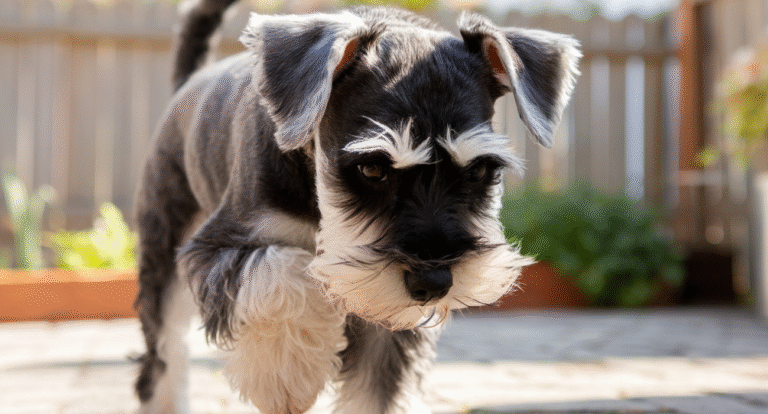
The classic Schnauzer look features short hair on the body with longer furnishings on the legs and that iconic beard and eyebrows. Achieving this at home takes practice, but it’s definitely doable with patience.
Begin with a clean, brushed coat. Trying to clip dirty or matted hair is frustrating for you and painful for your dog. Bathe your Schnauzer first, blow dry completely, and brush thoroughly before even thinking about clippers.
For the body, you’ll typically use a #7 or #10 blade, depending on how short you want the coat. Always clip with the direction of hair growth, using smooth, overlapping strokes. The key is consistent pressure without pushing too hard into the skin.
The legs require a different approach. Use scissors or thinning shears to create that cylindrical “furnishing” shape. Comb the hair straight out from the leg, then trim to your desired length. Rotate around the leg to ensure evenness. This part takes practice, so don’t expect perfection immediately.
Professional groomers spend years mastering technique, but home grooming isn’t about perfection. It’s about keeping your Schnauzer comfortable, healthy, and looking reasonably tidy between professional visits.
That famous Schnauzer beard needs regular attention. Food gets trapped in there (oh, does it ever), so daily wiping with a damp cloth prevents staining and odor. For trimming, comb the beard forward and downward, then trim to shape with scissors. Many owners keep the beard slightly longer than they initially planned because it’s easier to trim more than to wait for regrowth.
Dealing with Difficult Areas
Ears are particularly sensitive. Schnauzers are prone to ear hair growth inside the ear canal, which can trap moisture and lead to infections. Many groomers pluck this hair, though some veterinarians now suggest trimming instead to avoid irritation. Whichever method you choose, be gentle and work slowly.
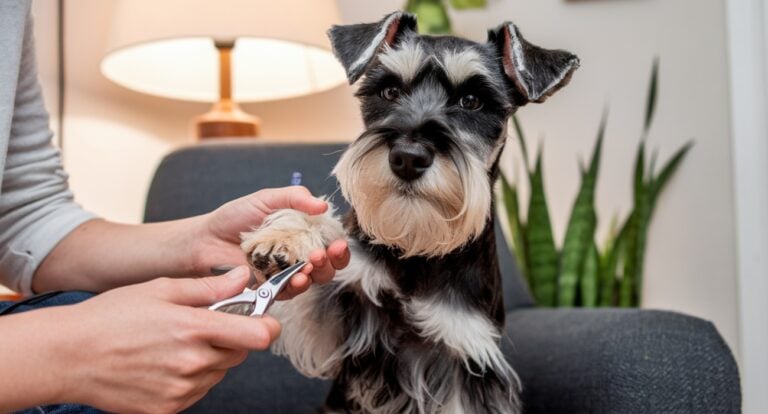
Paw pads accumulate hair that can mat and cause slipping on smooth floors. Lift each paw gently, spread the toes, and carefully trim the hair flush with the pad using small scissors with rounded tips. This area makes many dogs nervous, so extra treats and patience pay off here.
The sanitary area (yes, we’re going there) needs trimming for hygiene. Use clippers with a shorter blade and work carefully. Your Schnauzer won’t love this part, but keeping this area neat prevents unpleasant messes and potential health issues.
Creating a Grooming Schedule That Works
Consistency beats perfection every time. A Schnauzer maintained every six weeks looks better than one groomed sporadically when they’re completely overgrown. Create a realistic schedule you can actually stick to.
- Daily tasks include brushing the beard and checking for mats in common areas like behind the ears and under the legs. This takes maybe five minutes but prevents bigger problems.
- Weekly maintenance involves a thorough brushing session, ear cleaning, and nail checks. Set aside twenty to thirty minutes when you’re not rushed.
- Every six to eight weeks, plan for a full grooming session including bathing, clipping, and detailed trimming. Block out two to three hours, especially when you’re still learning. As you gain experience, this time decreases significantly.
When to Call in the Professionals
Let’s be real: some Schnauzers are DIY friendly, and others… aren’t. If your dog shows extreme fear or aggression during grooming despite your best efforts, a professional groomer has techniques and experience that can help. There’s no shame in admitting you need backup.
Certain tasks genuinely require professional expertise. Hand stripping for show coats, for example, is an art form that takes years to master. Severe matting often needs professional attention because trying to remove it at home can injure your dog.
Consider using a professional groomer every few months even if you handle regular maintenance at home. They can catch issues you might miss and give your Schnauzer’s coat a “reset” that makes your home grooming easier.
The Bonding Aspect Nobody Talks About
Here’s something unexpected: many Schnauzer owners come to genuinely enjoy grooming sessions. Once you move past the initial stress and learning curve, there’s something meditative about the process. You’re caring for your dog, working with your hands, and spending focused time together.
Your Schnauzer picks up on your emotional state. When you relax and approach grooming as quality time rather than a chore, they relax too. Some dogs even fall asleep during brushing sessions once they learn to trust the process.
Grooming becomes less about achieving a perfect haircut and more about the ritual of care. It’s your hands on your dog, attending to their comfort, building trust through gentle touch and patience.
Final Thoughts on Tools and Technique
Keep your tools maintained properly. Clean clippers after each use, oil the blades regularly, and replace them when they start pulling hair. Dull tools cause discomfort, and your Schnauzer will remember that negative experience.
Watch YouTube videos of professional groomers working on Schnauzers. Seeing technique in action clarifies things that written instructions can’t fully convey. Join Schnauzer owner groups online where people share tips and troubleshooting advice.
Most importantly, give yourself permission to learn gradually. Your first few grooming attempts might result in a Schnauzer that looks slightly… creative. That’s okay! Hair grows back, and every session teaches you something new. The goal is a comfortable, healthy dog and a stress free experience for both of you. Everything else is just details.