What would your dog choose? This playful guide breaks down the perfect day through your German Shepherd’s eyes.
Your German Shepherd practically vibrates with excitement as you reach for the leash, their entire body wiggling because tails alone can’t contain their joy. This is what every single day could feel like when you understand how to structure the ultimate routine for your furry best friend. German Shepherds are not your average couch potato breed, and pretending they are leads to chaos.
These dogs descended from working herding dogs, and that heritage runs deep in their DNA. They crave purpose, stimulation, and yes, a surprising amount of your attention. The perfect day isn’t some unattainable ideal; it’s a realistic, repeatable routine that satisfies their instincts while fitting into your life. Ready to become your German Shepherd’s favorite person ever? Let’s break down the formula.
Morning: Start Strong with Purpose
The way you begin your German Shepherd’s day sets the tone for everything that follows. These dogs wake up ready to conquer the world, so channel that energy productively. First thing in the morning, after they’ve handled their business outside, engage their brain with a quick training session. Even five to ten minutes of practicing commands or learning something new gets their mind activated.
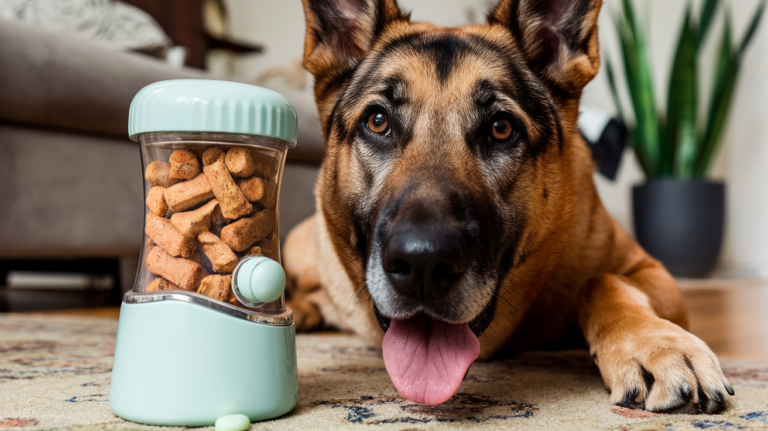
Following this mental warm up, breakfast becomes more than just dumping kibble in a bowl. Puzzle feeders and slow feeding bowls transform mealtime into an engaging activity. German Shepherds are problem solvers by nature, and making them work (even slightly) for their food taps into their natural instincts. Plus, it slows down those vacuum cleaners who inhale their food in 30 seconds flat.
The Power Walk (Not Just Any Walk)
Here’s where many German Shepherd owners go wrong: they think a casual 20 minute stroll counts as exercise. Wrong. So very wrong. Your German Shepherd needs a legitimate workout, and that means at least 45 minutes to an hour of vigorous activity. This could be:
- A brisk walk or jog with varying pace
- Hiking on trails with different terrain
- Playing fetch with purposeful intensity
- Swimming (many German Shepherds love water)
The goal isn’t just to tire them out physically. You’re providing sensory stimulation, allowing them to explore their environment, and satisfying their need to move with purpose. A tired German Shepherd is a happy German Shepherd, but an enriched German Shepherd is an exceptional German Shepherd.
During these outings, let them sniff. Yes, it seems boring to stand there while your dog investigates the same fire hydrant for three minutes, but sniffing is mentally exhausting for dogs. It’s how they read their neighborhood newspaper, catch up on local gossip, and process their environment.
Midday: Mental Gymnastics and Rest
Training Sessions That Challenge
German Shepherds are wickedly smart, ranking among the top three most intelligent dog breeds. A perfect day includes at least one dedicated training session lasting 15 to 30 minutes. This isn’t just about basic obedience (though reinforcing “sit” and “stay” never hurts). Teach them something new:
- Advanced tricks like “play dead” or “fetch specific items by name”
- Scent work and nose games
- Agility course navigation
- Task oriented behaviors like closing doors or turning off lights
The beauty of German Shepherds is their eagerness to please combined with their problem solving abilities. They want to work for you. Denying them this opportunity is like asking a mathematician to never solve equations again. It’s torture.
The Sacred Nap Time
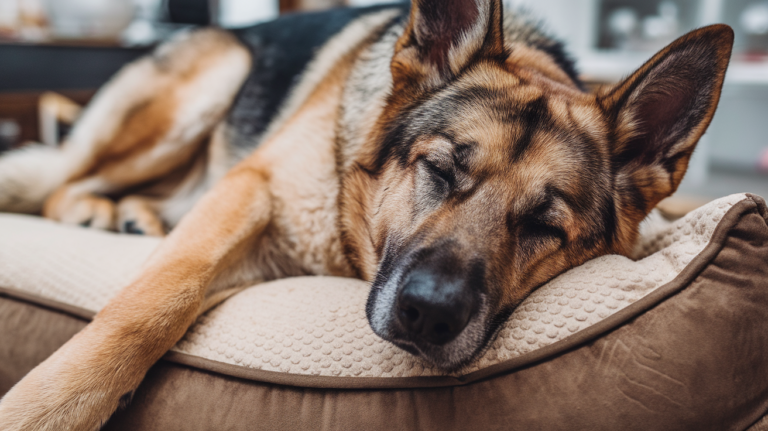
After all that mental and physical exertion, your German Shepherd needs downtime. Adult German Shepherds typically sleep 12 to 14 hours per day, though this is usually broken into several rest periods. Midday is perfect for a substantial nap, especially if you’ve properly exercised them in the morning.
Create a comfortable space where they feel secure. Many German Shepherds prefer elevated beds or designated spots where they can observe their territory. This breed has strong protective instincts, so even during rest, they like knowing what’s happening in their domain.
Afternoon: Interactive Play and Bonding
Games That Matter
| Activity Type | Duration | Benefits | Frequency |
|---|---|---|---|
| Tug of War | 10-15 min | Strength building, bonding, impulse control | Daily |
| Hide and Seek | 15-20 min | Mental stimulation, recall reinforcement | 3-4x weekly |
| Flirt Pole | 10-15 min | Prey drive satisfaction, cardio | 2-3x weekly |
| Interactive Toys | 20-30 min | Problem solving, independent play | Daily |
Tug of war deserves special mention. Contrary to old myths, this game doesn’t create aggressive dogs when played correctly. Use it to teach “drop it” and impulse control. Let your German Shepherd win sometimes; it builds their confidence and makes the game more engaging.
Flirt poles are absolute game changers for German Shepherds. These are essentially giant cat toys for dogs, consisting of a long pole with a lure attached. Your dog chases and catches the lure, satisfying their prey drive in a controlled, appropriate way. Ten minutes with a flirt pole can exhaust even the most energetic German Shepherd.
Playtime isn’t just about burning energy. It’s about strengthening your bond, building trust, and creating positive associations. Your German Shepherd doesn’t just want to be with you; they want to do things with you.
Socialization Opportunities
If possible, arrange playdates with other dogs or visits to dog friendly locations. German Shepherds can be selective about their canine friends, so supervised socialization helps maintain their social skills. Not every German Shepherd is a dog park enthusiast (many aren’t, actually), but regular positive interactions with other dogs prevent reactivity and fear based behaviors.
Evening: Wind Down Without Shutting Down
The Second Exercise Session
Yes, another one. German Shepherds are athletes, and one workout per day rarely cuts it. The evening session can be less intense than the morning one, perhaps 30 to 45 minutes. A relaxed walk through the neighborhood, some backyard fetch, or even indoor training games all work.
This second session serves multiple purposes. It burns off any remaining energy, provides another bathroom break, and helps your dog settle for the evening. Without it, you might find yourself with a restless German Shepherd who decides 10 PM is the perfect time to zoom around the house.
Enrichment Activities
Before dinner, engage your German Shepherd’s brain with enrichment activities:
- Snuffle mats where treats are hidden in fabric strips
- Frozen Kong toys stuffed with dog safe goodies
- Cardboard box destruction (surprisingly therapeutic for both of you)
- Scent trails leading to hidden treats
These activities satisfy different instincts. Sniffing and foraging tap into natural behaviors, while destruction (of appropriate items!) provides an outlet for that German Shepherd intensity.
Quality Time and Grooming
German Shepherds shed. A lot. Like, an absurd amount. Evening grooming sessions serve double duty: they manage the fur explosion and provide bonding time. Brush your German Shepherd for 10 to 15 minutes, checking for any skin issues, ticks, or abnormalities. Most German Shepherds find this relaxing once they’re accustomed to it.
This is also perfect for casual, low key interaction. Talk to your dog (yes, they love this), give gentle massages, or simply sit together. German Shepherds are often described as “velcro dogs” because they want to be with their people. Honor this need.
Night: Calm and Connection
The Final Routine
As bedtime approaches, establish a consistent routine. This might include:
- A final bathroom break
- A small bedtime snack or chew
- Some gentle petting or massage
- Settling into their sleeping area
Consistency matters tremendously for German Shepherds. They thrive on predictable routines and knowing what comes next. This predictability reduces anxiety and helps them settle for the night.
The perfect day for a German Shepherd isn’t about cramming in every possible activity. It’s about balance: challenging their mind, exercising their body, nurturing your bond, and providing the structure they crave. Get this formula right, and you won’t just have a well behaved dog. You’ll have a truly fulfilled companion.
Sleep Setup
Where your German Shepherd sleeps depends on your preferences and their needs. Many sleep in their owner’s bedroom (sometimes even on the bed), while others prefer their own space. German Shepherds often like being able to monitor doorways or having a view of the main living areas, even at night.
Provide a comfortable bed appropriate for their size. Orthopedic beds benefit older German Shepherds or those with hip issues (common in the breed). Some prefer elevated cots that keep them cool and allow air circulation.
Special Considerations Throughout the Day
Weather Adaptations
German Shepherds have double coats that protect them in various weather conditions, but extreme temperatures require adjustments. In summer heat, shift exercise to early morning and late evening. Provide plenty of water and never leave them outside without shade.
Cold weather is generally less problematic, though ice and snow can irritate their paws. Many German Shepherds love snow and will happily play in winter conditions. Just watch for signs of discomfort and adjust accordingly.
Age Appropriate Activities
Puppies and senior German Shepherds need modified routines. Puppies require shorter, more frequent activities with plenty of rest (they need up to 18 hours of sleep daily). Their bones are still developing, so avoid excessive jumping or running on hard surfaces.
Senior German Shepherds still need mental and physical stimulation, but lower impact activities work better. Swimming, gentle walks, and puzzle toys keep them engaged without stressing aging joints.
Health Monitoring
Throughout your German Shepherd’s perfect day, stay alert to their physical condition. These dogs are stoic and often hide pain or discomfort. Watch for limping, reluctance to move, excessive panting, or behavior changes. Regular vet checkups catch issues before they become serious problems.
The perfect day evolves as your German Shepherd ages and as you learn their individual preferences. Some German Shepherds are fetch fanatics; others prefer tug of war. Some love swimming; others act like water is lava. Pay attention to what makes your dog’s eyes light up, and build those activities into their routine.
When you consistently provide the physical exercise, mental stimulation, and emotional connection your German Shepherd needs, everything else falls into place. Training becomes easier. Behavior problems diminish. Your bond deepens. And that gorgeous dog staring at you right now? They’ll be living their absolute best life, one perfect day at a time.