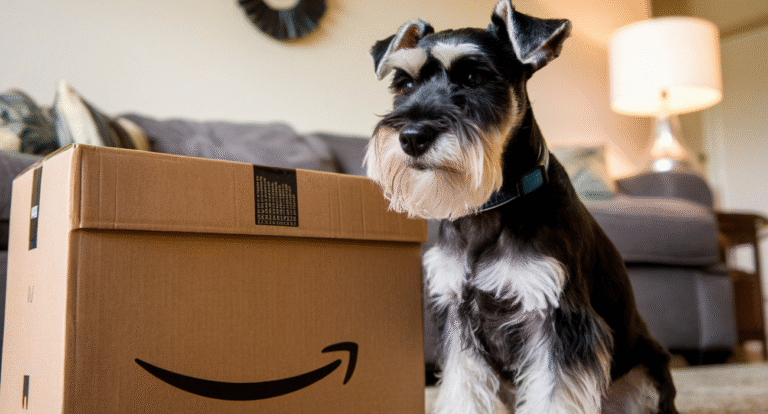
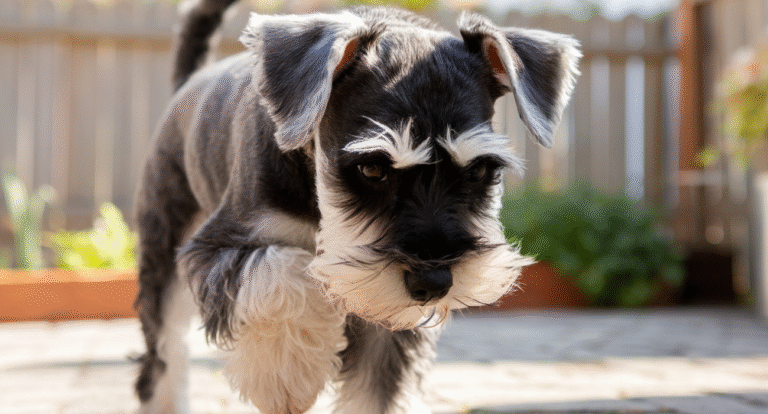
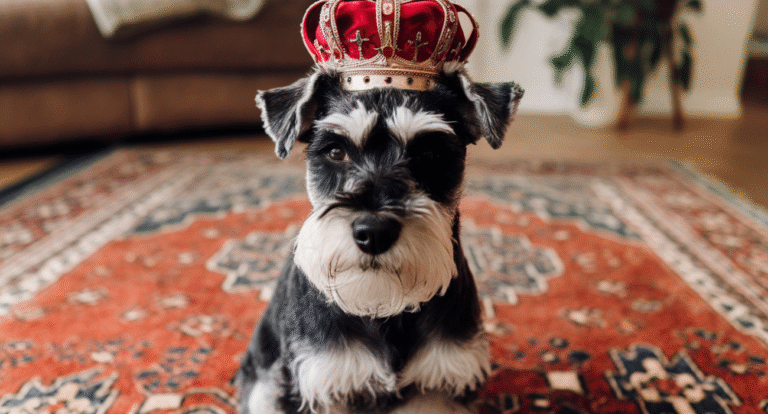
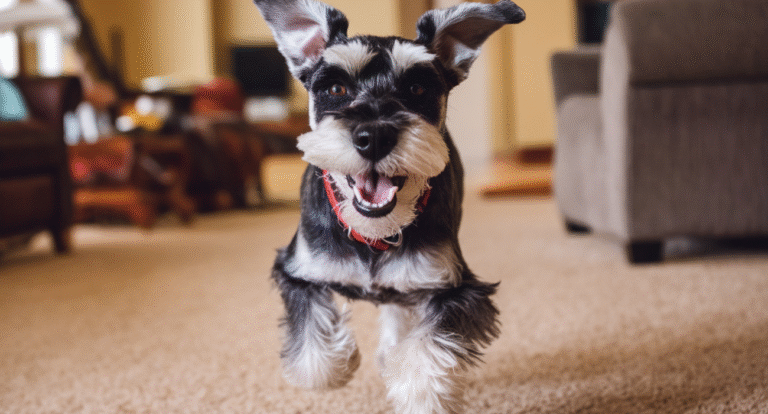
Toothmarks on shoes again? Train your Schnauzer to tell the difference between toys and no-touch items with this simple approach.
Your Schnauzer sits there with those expressive eyebrows raised, a sock dangling from their mouth, looking at you like they’ve just brought you a priceless treasure. They’re so proud. Meanwhile, you’re calculating how many socks you’ve lost this month and wondering if there’s a sock black market somewhere that’s thriving entirely because of dogs. This scene plays out in Schnauzer households everywhere, and it doesn’t have to be your reality forever.
Teaching a Schnauzer what belongs to them requires understanding how they think. These are dogs bred to be independent problem solvers, which means they’re constantly making decisions about their environment. Without clear instruction, they’ll use their own judgment, and their judgment usually involves testing everything with their teeth. But here’s the beautiful part: once they learn the rules, they’re incredibly reliable about following them.
The Schnauzer Mind: Why Everything Looks Like a Toy
Schnauzers weren’t bred to be couch ornaments. These dogs were working terriers, tasked with catching rats, guarding property, and being generally useful around farms. That heritage means they’re wired to interact with objects, investigate textures, and yes, use their mouths to explore the world. When your Schnauzer grabs your hairbrush, they’re not trying to ruin your day; they’re following thousands of years of genetic programming that says “interesting object = must investigate.”
The texture thing is real, by the way. Schnauzers are obsessed with texture. Rubber, fabric, leather, plastic… each one feels different in their mouth and makes different sounds when chomped. Your dog isn’t making moral judgments about property ownership; they’re experiencing a sensory buffet. This is why your Schnauzer might ignore their perfectly good rope toy in favor of your leather belt. The belt is just more interesting.
Understanding that your Schnauzer’s “theft” of household items isn’t defiance but curiosity changes everything about how you approach training. You’re not punishing bad behavior; you’re redirecting natural instincts.
Start With What They Should Chew
Before you can teach your Schnauzer what’s off limits, you need to be crystal clear about what’s on the approved list. This means designating specific toys that belong to your dog. Not just any toys, though. You need variety. Get toys with different textures, sizes, and purposes. Here’s what a well-rounded Schnauzer toy collection looks like:
| Toy Type | Purpose | Best For |
|---|---|---|
| Rubber chew toys | Satisfies chewing urge, good for teeth | Teething puppies and aggressive chewers |
| Rope toys | Tug games, dental health | Interactive play and solo chewing |
| Plush squeaky toys | Mental stimulation, prey drive satisfaction | Gentle play and comfort |
| Puzzle toys | Mental challenge, slow feeding | Keeping smart Schnauzers occupied |
| Balls and fetch toys | Exercise, bonding | Active play sessions |
Keep these toys in a designated toy box or area. Consistency is everything. Your Schnauzer needs to learn that toys come from a specific place and have a specific look and feel. When everything in the house could potentially be a toy, nothing is clear. When toys are distinct and kept together, patterns emerge in your dog’s mind.
The Foundation: Teaching “Take It” and “Leave It”
These two commands are your secret weapons. Seriously, if your Schnauzer only learns five commands in their entire life, “leave it” should absolutely be one of them. Start with “take it” because it’s easier and builds positive association with following commands.
Hold an approved toy in your hand and say “take it” in an upbeat voice. Let your Schnauzer grab the toy, then praise them like they just solved world hunger. Repeat this until they reliably take the toy when you offer it and say the command. This creates a clear signal: when you say “take it,” the item being offered is theirs to enjoy.
Now for “leave it,” which requires more impulse control. Place a treat or toy on the ground and cover it with your hand. When your Schnauzer inevitably tries to get it, say “leave it” in a firm (not angry) voice. The moment they stop trying and pull back, even slightly, reward them with a different treat from your other hand. You’re teaching them that leaving something alone actually results in something better.
Creating Clear Categories in Your Schnauzer’s Mind
Dogs are pattern recognition machines. Your job is to make the patterns super obvious. This means establishing clear distinctions between dog items and human items. If your Schnauzer’s toys are all fabric squeaky animals, don’t leave fabric throw pillows on the floor. If they have rope toys, keep your belts and scarves out of reach. You’re making it easy for them to identify what belongs in which category.
The more distinct you make your dog’s toys from your household items, the faster they’ll learn to discriminate between the two. This isn’t about dumbing things down; it’s about setting your Schnauzer up for success.
Location matters too. A toy on the floor? Fair game. Your shoe on the floor? In your Schnauzer’s mind, also fair game, at least initially. This is where management comes in. For the first few months of training, nothing that isn’t a dog toy should be left on the floor or within reach. Yes, this means you’ll be tidier than usual. Think of it as motivation to finally deal with that pile of shoes by the door.
The Redirection Method (Your New Best Friend)
Catching your Schnauzer in the act is gold for training purposes. The moment you see them pick up something that isn’t theirs, don’t yell or chase them (that just makes it a fun game). Instead, calmly get one of their toys, make it super exciting, and use your “leave it” command. When they drop the forbidden item, immediately give them the approved toy and praise them enthusiastically.
This redirect-and-reward pattern needs to happen every single time in the beginning. Every time. Your Schnauzer is learning that dropping the “wrong” thing and picking up the “right” thing results in happiness and praise. Eventually, they’ll start making this choice on their own because the pattern is so deeply ingrained.
Schnauzer-Specific Challenges (Because Of Course They Have Some)
Let’s talk about the Schnauzer stubbornness factor. These dogs are not Golden Retrievers who live to please. They’re independent thinkers who want to understand the “why” behind rules. If they don’t see the point, they might just… ignore you. This means your training needs to be extra consistent and the rewards need to be extra worthwhile.
Schnauzers also have a possessive streak. Once they’ve claimed something as theirs (in their mind), convincing them otherwise can be challenging. This is why early intervention is crucial. Don’t let your Schnauzer develop a relationship with your belongings. The first time they pick up your sock, it’s a training opportunity. The fiftieth time? They’ve decided socks are theirs now, and you’ve got a much harder job ahead.
Trading Up: The Exchange System
Sometimes you’ll need to get something away from your Schnauzer right now. Maybe they’ve grabbed something dangerous or truly valuable. This is where the trading system comes in handy. Always have high-value treats or a favorite toy ready. Approach calmly (remember, chasing makes it a game), show them the amazing thing you have, and when they drop what they have to investigate, scoop up the forbidden item and give them the trade.
Never just take things from your Schnauzer’s mouth without offering something in return, especially in the beginning. This can lead to resource guarding, where your dog becomes protective and potentially aggressive about items they have. The trade teaches them that giving things up is actually beneficial. You’re building trust, not just obedience.
Making Toys More Appealing Than Everything Else
Here’s a secret: sometimes your Schnauzer goes for your stuff because their toys are boring. Rotate toys weekly so there’s always something “new.” Play with the toys yourself to make them interesting. Tug toys are only fun if someone tugs back. Balls are only exciting if someone throws them. Puzzle toys need to be loaded with good treats to be worth the effort.
Interactive play with you makes toys exponentially more valuable. Fifteen minutes of engaged play with a rope toy creates a positive association that lasts. Your Schnauzer learns that their toys = fun times with their favorite human. Your shoes? They’re just shoes. They don’t play back.
When your Schnauzer’s toys are associated with positive interaction, attention, and fun, your belongings suddenly become a lot less appealing by comparison.
The Long Game: Patience and Consistency
Teaching toy discrimination isn’t a weekend project. It’s a months-long commitment, especially with Schnauzers who are testing boundaries constantly. Some days you’ll feel like you’re making progress, and then you’ll find them proudly parading around with your sunglasses. This is normal. Training isn’t linear.
Keep your management strategies in place (keeping items out of reach) even as your Schnauzer improves. Slowly introduce more “temptations” as they prove reliable. A shoe left out for five minutes while you watch. Then ten minutes. Then left out when you’re in another room. You’re gradually increasing difficulty as their skills improve, like levels in a video game.
When to Seek Professional Help
If your Schnauzer is destructively chewing beyond normal puppy behavior, or if they’re showing aggression when you try to take items from them, it’s time to call in a professional trainer. These issues can indicate underlying anxiety, insufficient exercise, or other problems that need expert assessment. There’s no shame in getting help; Schnauzers are complex dogs with strong personalities.
Similarly, if you’ve been consistently training for months with no improvement, a trainer can observe what you might be missing. Sometimes it’s timing, sometimes it’s that you’re accidentally rewarding the wrong behavior, and sometimes the approach just needs tweaking for your specific dog’s personality.
The Reality Check
Your Schnauzer will probably never be perfect about this. They might respect the rules 98% of the time, but that 2% will involve them making executive decisions about whether that paper towel on the counter is technically a toy. And you know what? That’s okay. The goal isn’t creating a robot; it’s creating a dog who understands and mostly follows household boundaries while still being their charming, bearded, slightly mischievous self.