Small routines create big results. This daily habit boosts mood, focus, and overall happiness.
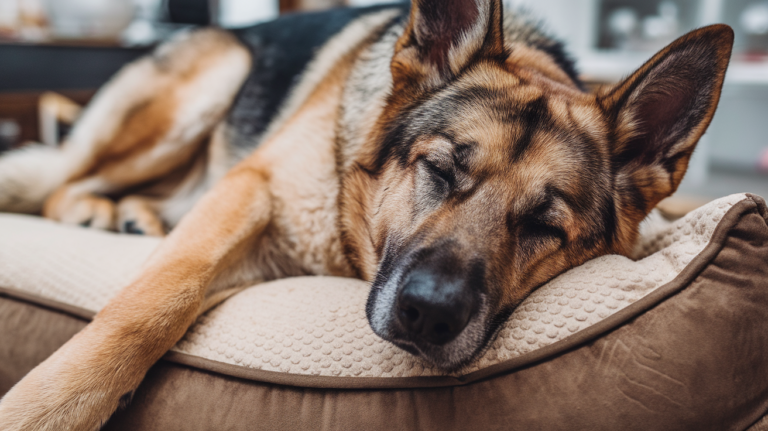
Your German Shepherd lounging peacefully on their bed, content and relaxed instead of pacing the house like they’re guarding Fort Knox. Sounds like a fantasy? It’s absolutely achievable, and it starts with understanding what your dog actually needs each day to feel fulfilled and happy.
German Shepherds aren’t just pets; they’re partners who crave purpose and structure. When you provide them with a thoughtful daily routine that satisfies their physical, mental, and emotional needs, you’ll witness a transformation that seems almost magical. The hyperactive, anxious dog becomes calm and confident. Ready to make it happen?
Understanding Your German Shepherd’s Core Needs
Before diving into the routine itself, let’s talk about what makes German Shepherds tick. These dogs were originally bred in Germany (shocking, right?) to herd and protect sheep. That means they’ve got energy for days, intelligence that rivals some humans, and an intense desire to have a job.
The Energy Equation
German Shepherds typically need 60 to 90 minutes of physical activity daily. But here’s where many owners go wrong: they think a casual walk around the block will cut it. Spoiler alert: it won’t. Your GSD needs activities that actually challenge their athletic abilities.
| Activity Type | Duration | Frequency | Benefit |
|---|---|---|---|
| Structured walks | 30-45 minutes | Twice daily | Physical exercise, mental stimulation through new scents |
| Interactive play | 20-30 minutes | Once or twice daily | Bonding, prey drive satisfaction |
| Training sessions | 10-15 minutes | Two to three times daily | Mental exhaustion, obedience reinforcement |
| Free play/running | 15-20 minutes | Daily | Energy release, joy |
Mental Stimulation Matters More Than You Think
A tired German Shepherd isn’t just physically exhausted; they’re mentally satisfied too. Mental exercise can tire out your GSD faster than physical activity alone. Think of it like this: solving complex puzzles all day would exhaust you more than walking on a treadmill, right? Same principle applies to your brilliant furry friend.
Step 1: Start the Morning Right (6:00 AM to 8:00 AM)
The morning sets the tone for your German Shepherd’s entire day. Begin with purpose, and you’ll reap the rewards all day long.
Wake Up and Potty Break
First things first: take your GSD outside immediately upon waking. This isn’t just about preventing accidents; it’s about establishing consistency. Dogs are creatures of habit, and knowing exactly what to expect reduces anxiety dramatically.
Morning Exercise Session
Here’s where you invest in your dog’s happiness and your own sanity. A proper morning exercise session should include:
The Walking Component: Start with a brisk 30 to 45 minute walk. Not a leisurely stroll where you’re checking your phone every five seconds. Make it purposeful. Change up your route regularly to provide new smells and sights that keep your shepherd’s brain engaged.
The Training Integration: During your walk, incorporate basic obedience commands. Random sit/stay exercises, heel practice, or even just asking for eye contact every few minutes keeps their mind working alongside their body.
Your German Shepherd’s morning exercise session is the foundation of their entire day. Skip it, and you’re essentially asking them to sit still with the energy of ten espressos coursing through their veins.
Breakfast Time
After exercise comes food, and timing matters here. Wait about 30 minutes after intense exercise before feeding to reduce the risk of bloat (a serious condition German Shepherds are prone to). Use this time for calm bonding or to let them drink water and settle down.
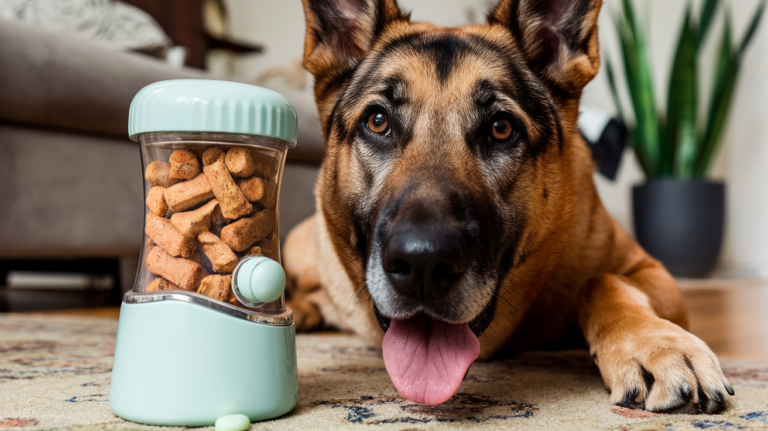
Consider making breakfast interactive by using puzzle feeders or snuffle mats. This transforms a two-minute gobbling session into a 10 to 15 minute mental workout.
Step 2: Mid-Morning Mental Enrichment (9:00 AM to 11:00 AM)
Once breakfast settles, it’s time for activities that challenge your German Shepherd’s impressive intellect.
Training Session Focus
Dedicate 10 to 15 minutes to focused training. This doesn’t mean drilling the same old “sit” and “stay” commands they mastered as puppies. Challenge them with:
- New tricks: Teach them to close doors, fetch specific items by name, or navigate obstacle courses
- Scent work: Hide treats around the house and let them use that incredible nose
- Problem solving games: Invest in puzzle toys that require multiple steps to access treats
The key is variety. German Shepherds get bored with repetition faster than you can say “good dog.”
Quiet Time Implementation
After mental stimulation, enforce some downtime. Yes, enforce. German Shepherds don’t always know when to settle themselves, especially young ones. Use a crate, a specific bed, or a designated quiet area.
This teaches them that being calm is also part of the daily routine. Play soft music, give them a long-lasting chew like a bully stick or frozen Kong, and let them decompress. Aim for 1 to 2 hours of this peaceful time.
Step 3: Midday Movement and Bonding (12:00 PM to 2:00 PM)
Lunch Break Potty and Light Activity
Even if you work from home or are out during the day (in which case, consider a dog walker), your GSD needs a midday break. A quick 15 to 20 minute potty break combined with light play keeps their routine consistent.
If you’re home, this is perfect for some gentle tug-of-war, fetch in the backyard, or simply hanging out together while you eat lunch. German Shepherds are velcro dogs; they crave your presence almost as much as they crave activity.
Optional: Socialization Opportunity
A few times per week, use this slot for controlled socialization. This could mean:
- A trip to a dog-friendly store
- Visiting a friend with a dog-friendly, calm pup
- Practicing polite greetings with neighbors
- Exposure to new environments like outdoor cafes
Socialization keeps German Shepherds confident and well-adjusted, preventing the territorial or reactive behaviors they can develop without proper exposure.
Step 4: Afternoon Activities (3:00 PM to 5:00 PM)
Second Exercise Session
Time for round two! This afternoon session can mirror your morning routine or switch things up entirely. Options include:
Hiking or Trail Walking: German Shepherds love exploring natural settings. The varied terrain, wildlife scents, and different surfaces engage them completely.
Swimming: If you have access to a dog-friendly pool, lake, or beach, swimming is phenomenal exercise that’s easy on joints. Many GSDs take to water enthusiastically.
Agility or Sports Training: Consider activities like agility courses, flyball, or even herding lessons. These tap into your shepherd’s working dog heritage and provide both physical and mental challenges.
The afternoon exercise session isn’t just about burning energy; it’s about giving your German Shepherd a sense of purpose and accomplishment that satisfies their deep-rooted need to work.
Training Reinforcement
Another 10 to 15 minute training session, but keep it light and fun. Practice what you worked on in the morning or introduce something completely different. End on a positive note with something your dog does well.
Step 5: Evening Wind Down (6:00 PM to 9:00 PM)
Dinner Time
Similar to breakfast, make dinner time around 6:00 PM and again, wait 30 minutes after any intense exercise. Continue using enrichment feeders to make meals more engaging.
Family Time and Gentle Play
The evening is perfect for quality bonding that doesn’t ramp up energy levels. Think:
- Brushing sessions (German Shepherds shed… a LOT)
- Gentle training of calm behaviors
- Relaxed walks around the neighborhood
- Simply hanging out while you watch TV
Keep it mellow. You’re transitioning toward bedtime, not gearing up for a rave.
Final Potty Break and Settle
Before bed (typically around 9:00 to 10:00 PM), one last trip outside. Then, establish a clear bedtime routine. This might include a specific cue word like “bedtime,” turning off lights, and having your dog go to their sleeping area (whether that’s a crate, dog bed, or your bed).
Customizing the Routine for Your Specific German Shepherd
Not all German Shepherds are created equal, and that’s perfectly okay! Age, health status, and individual personality all factor into what routine works best.
Puppies (8 Weeks to 6 Months)
Puppies need more frequent but shorter sessions. Their attention spans are limited, and they tire more quickly. Increase potty breaks to every 2 to 3 hours and keep training sessions to 5 to 10 minutes maximum.
Adult Dogs (1 to 7 Years)
Adults thrive on the routine outlined above. They have the stamina for longer sessions and benefit most from consistency and variety in activities.
Senior Dogs (7+ Years)
Older German Shepherds still need routine but with modifications for joint health and reduced stamina. Shorten walks, incorporate more mental games, and add supplements or therapies as recommended by your vet. Swimming becomes especially beneficial here.
High Energy vs. Lower Energy Individuals
Some German Shepherds are absolute powerhouses, while others are more moderate. If your GSD still seems restless after this routine, increase exercise duration or intensity. If they seem exhausted, dial it back slightly.
The perfect routine isn’t about following a rigid schedule; it’s about understanding your individual dog’s needs and adjusting accordingly while maintaining consistent structure.
The Secret Ingredients That Make Everything Work Better
Consistency is Non-Negotiable
Dogs thrive on predictability. Try to stick to the same general schedule every day, including weekends. Yes, this requires commitment, but the payoff in terms of your dog’s behavior and happiness is absolutely worth it.
Quality Over Quantity
Fifteen minutes of focused, engaged training beats an hour of distracted, half-hearted activity every single time. Be present during your time with your German Shepherd.
Rotate Activities
Don’t do the exact same walk at the same time with the same toys every day. Novelty keeps German Shepherds engaged and prevents boredom. Switch up routes, try new games, introduce different training challenges regularly.
Include Job-Like Tasks
Remember, German Shepherds are working dogs. Give them actual jobs: carrying their own leash, fetching the newspaper, putting toys away in a basket, or alerting you to specific sounds. These “jobs” fulfill their need for purpose.
Monitor and Adjust
Keep an eye on your dog’s behavior, body condition, and overall demeanor. Are they gaining weight? Increase exercise. Seeming anxious? Add more mental stimulation. Limping? Dial back intensity and consult your vet.
Troubleshooting Common Challenges
“My GSD is still destructive despite following this routine.”
Destructive behavior often indicates under-stimulation, anxiety, or lack of proper outlets. Increase mental enrichment specifically. Provide appropriate chew items and consider whether separation anxiety might be a factor requiring additional training.
“I work long hours and can’t do all of this.”
Consider hiring a dog walker for midday exercise, using doggy daycare a few times weekly, or investing in automatic puzzle feeders and interactive toys. You can condense the routine but don’t skip the essential elements: morning exercise, mental stimulation, and evening bonding.
“My German Shepherd won’t settle during quiet time.”
This is a trained behavior for many dogs. Start with very short periods (5 to 10 minutes) and gradually increase. Reward calm behavior lavishly. Consider whether they’re truly tired; sometimes dogs need more exercise before they can genuinely relax.
“Weather prevents outdoor exercise.”
Have indoor backup plans: stair sprints, indoor fetch in a hallway, tug-of-war, hide-and-seek, or treadmill training. Mental games become even more critical on days when physical exercise is limited.
Watching Your German Shepherd Transform
When you implement this routine consistently for just two to three weeks, you’ll notice remarkable changes. That restless pacing diminishes. The destructive chewing redirects to appropriate items. Your GSD settles more easily and seems genuinely content rather than just tired.
The beautiful truth about German Shepherds is that they desperately want to be good partners. They’re not trying to make your life difficult; they’re simply dogs with specific needs that, when met, allow their best qualities to shine through. Their loyalty deepens, their training accelerates, and that gorgeous breed temperament (intelligent, confident, courageous yet calm) emerges fully.
Your German Shepherd isn’t asking for perfection. They’re asking for consistency, purpose, and engagement. This simple daily routine provides exactly that, transforming not just your dog’s happiness but strengthening the incredible bond between you.
Now get out there and give your German Shepherd the structured, fulfilling life they deserve!